
Madina Kasimbaeva: Master of Uzbek Suzani Embroidery
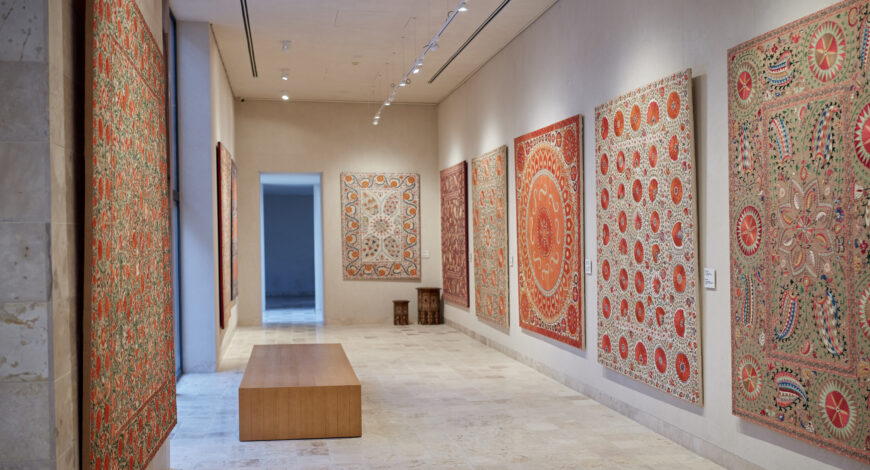
Suzani (from ‘suzan’, the Farsi word for needle) is a silk-thread needlework, but for most collectors, the word has a more specific meaning: suzani is synonymous with the glorious embroideries of Uzbekistan. In recent years, there has been a remarkable revival of this old traditional art form. By special appointment we visit the studio of Madina Kasimbaeva in Tashkent with archaeologist Dr Katie Campbell on our tour Uzbekistan: The Silk Road Cities.
Contemporary Uzbek Suzanis
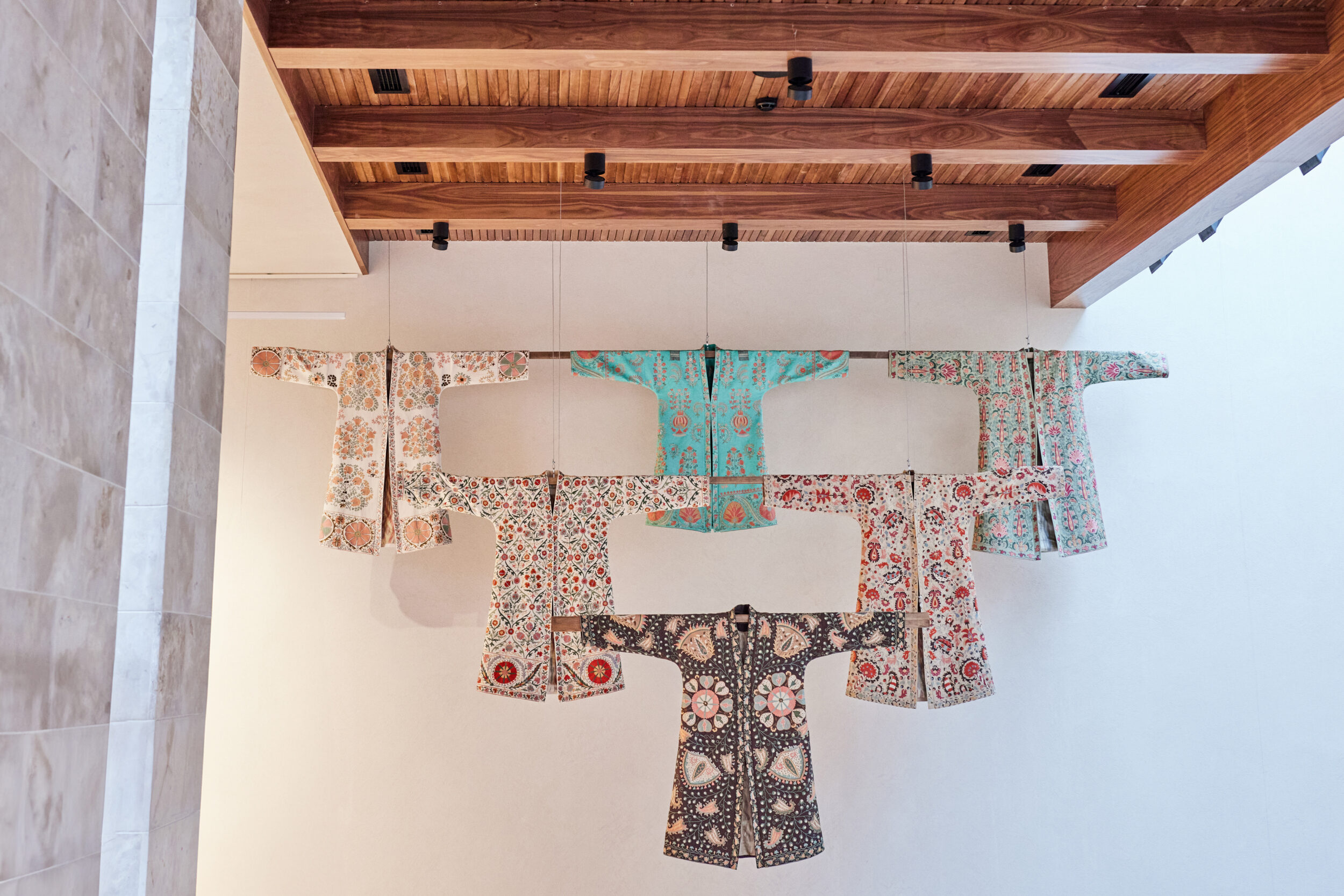
“In the nineteenth century, Uzbek women produced fabulous embroidered hangings, bed covers, wrapping cloths, table covers, and prayer mats for their households and their daughters’ dowries. As the Soviet Era ended and Westerners became more familiar with the finest old Uzbek pieces, prices for antique examples escalated wildly. A revival of the old forms and techniques was a natural development as new markets opened. Now gorgeous contemporary embroideries decorate not only Uzbek homes, but also grace European and American households, while talented and industrious Uzbek women have a welcome new source of family income. Fortunately, we now have access to beautiful contemporary textiles that are a natural outgrowth of the old traditions–at very reasonable prices.” (‘Contemporary Uzbek Suzani’, by Marla Malett, Textiles and Tribal Oriental Rugs)
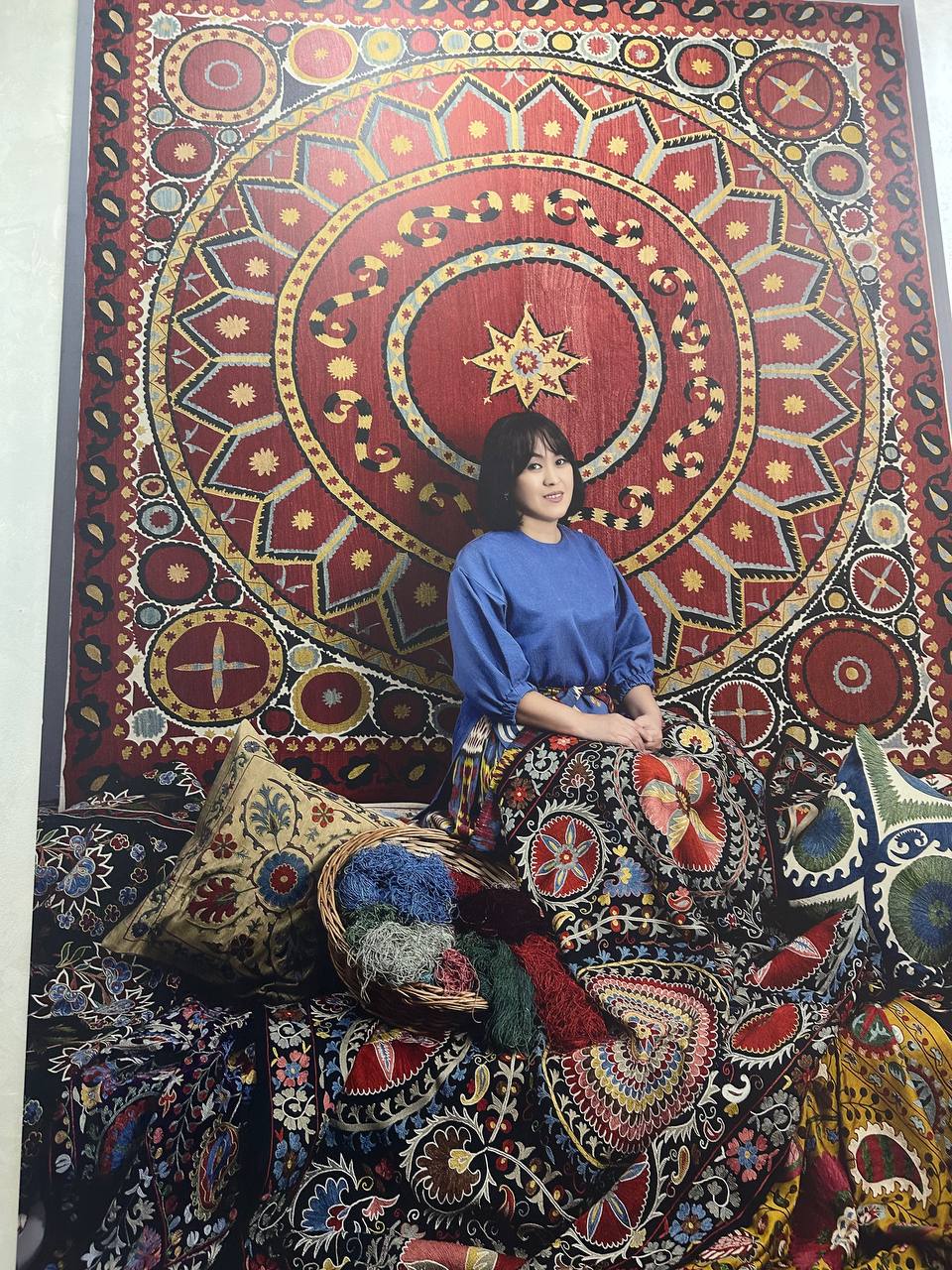
Madina Kasimbaeva: Master of Uzbek Suzani Embroidery
Madina Kasimbaeva is a master of Uzbek suzani embroidery who lives and works in Tashkent, Uzbekistan. Her textiles were exhibited in Brisbane at QAGOMA in 2024 as part of the 11th Asia Pacific Triennial. She is known for her exquisite suzani that draws on cosmological and Zoroastrian world views that are part of the heritage of Central Asia. “Tashkent suzani or palak are a specific and unique style of bold, graphic embroideries, usually employing hand-dyed red and yellow silks, with abstracted references to the sun and moon, serpents, pomegranates and other symbolic fauna and flora associated with women and with Uzbekistan’s pre-Islamic history. Recognised by the Uzbek government for her work in reviving this time-honoured art form and innovating in scale and design, Kasimbaeva is passionate about extending her knowledge to other artists; she has established several workshops around the country that provide employment and training to young women”. (‘Madina Kazimbaeva’ by Abigal Bernal, QGOMA)
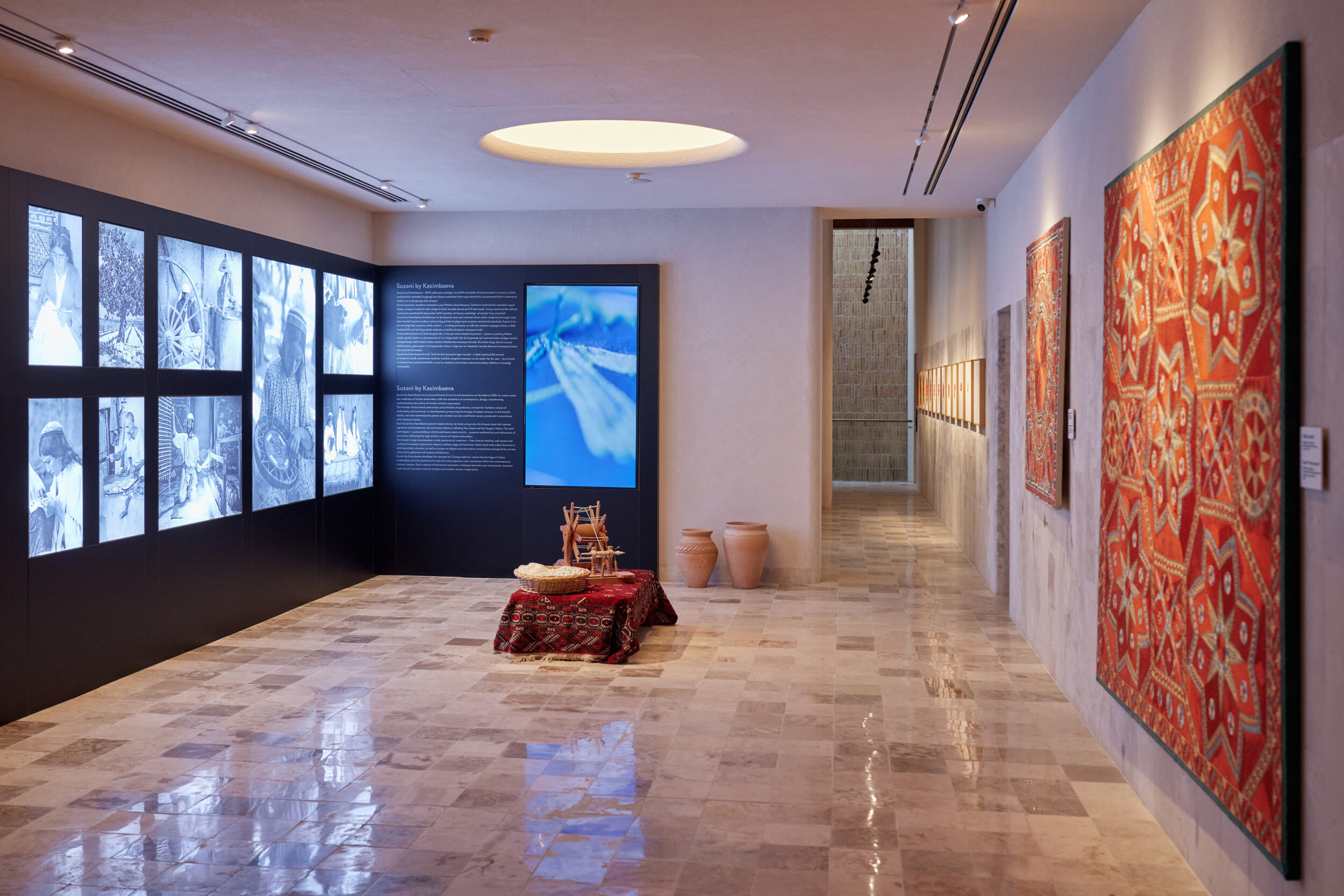
Madina Kasimbaeva’s New Studio in Tashkent
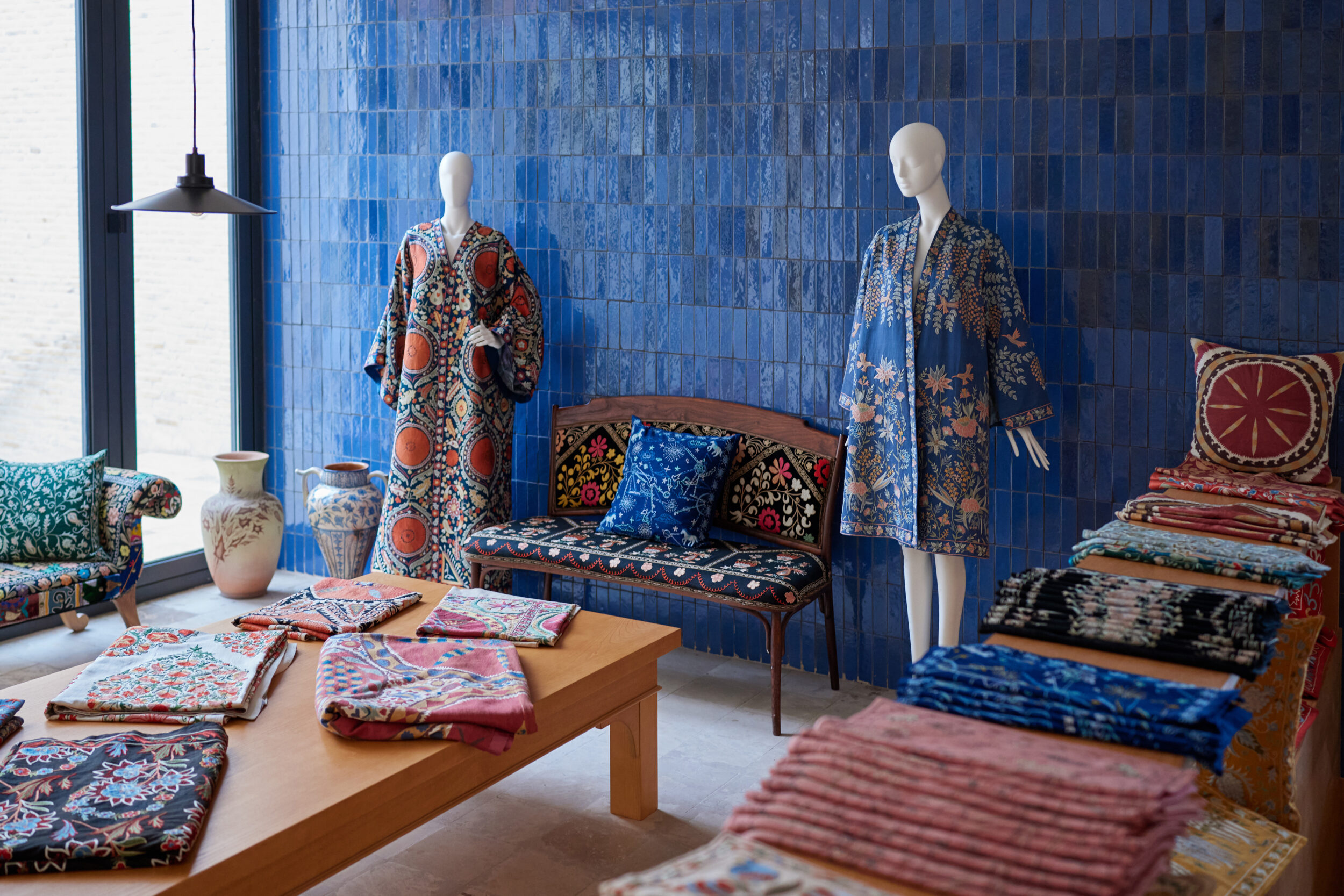
Most recently Madina Kasimbeva has opened a new space that includes a workshop, a gallery and study centre, in central Tashkent. The project was implemented by the President of Uzbekistan, with the aim of preserving the ancient traditions of Uzbek embroidery and creating a space where young women can learn, create, find inspiration, and become independent.
Images
Madina Kasimbaeva Studio, Tashkent, Uzbekistan. Courtesy: International Travel Caravan Service
 Uzbekistan: The Silk Road Cities 2027
  Uzbekistan: The Silk Road Cities 2028