
The Treasures of Wormsley Library
by Shane Carmody
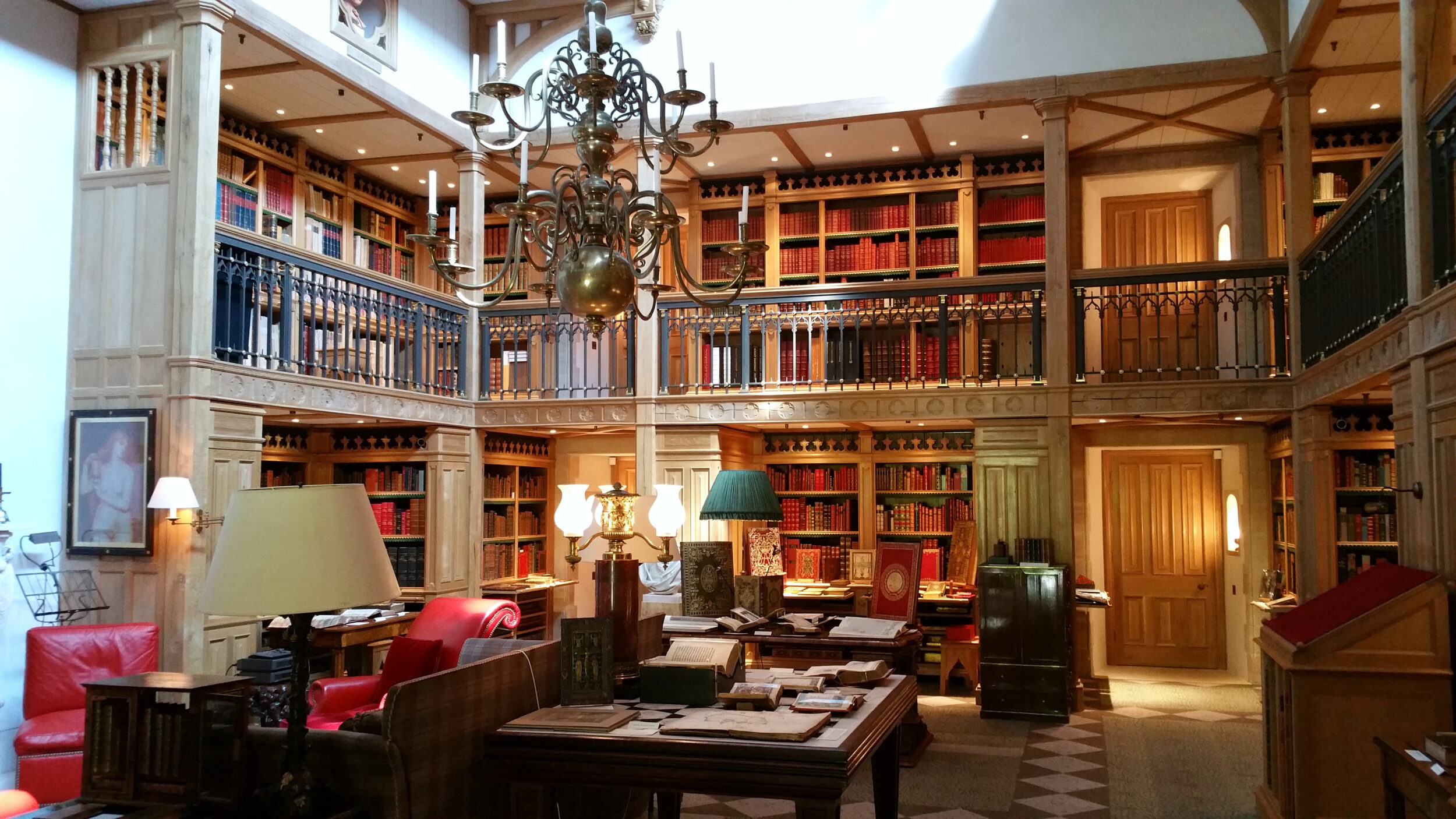
Hidden deep in a beautiful valley in the Chiltern Hills is a private Library filled with treasure. The estate is called Wormsley and it is home to the collection built by Sir Paul Getty and cared for now by his son Mark. After a winding drive down a long road with pheasants scattering ahead and glimpses of red deer in the distance, we alight from our coach at the cricket ground Sir Paul built, a replica of Lords.
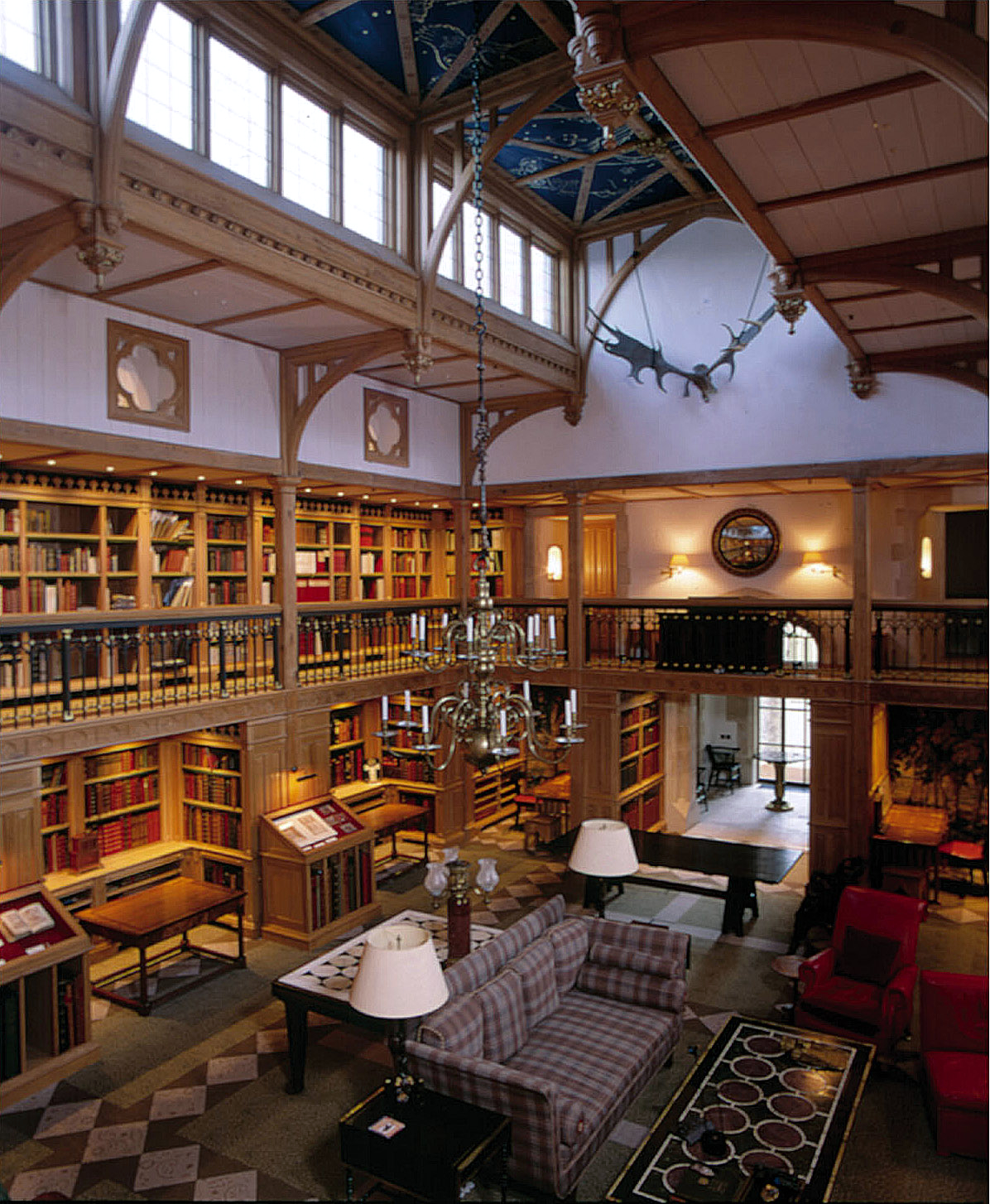
Entering the Wormsley Library is like discovering of Tutankhamun’s tomb. The impact is breathtaking. The immediate impression of over 200 incredible treasures on view and the hundreds on the shelves is overwhelming. If you can lift your eyes the ceiling is detailed with the stars and planets aligned as they were at Getty’s birth and on the wall at either end are great antlers from the long extinct Megaloceros Giganteus.
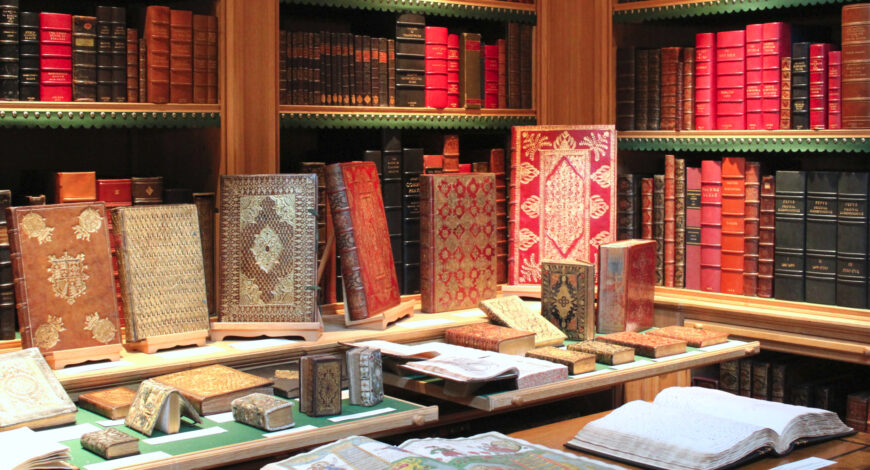
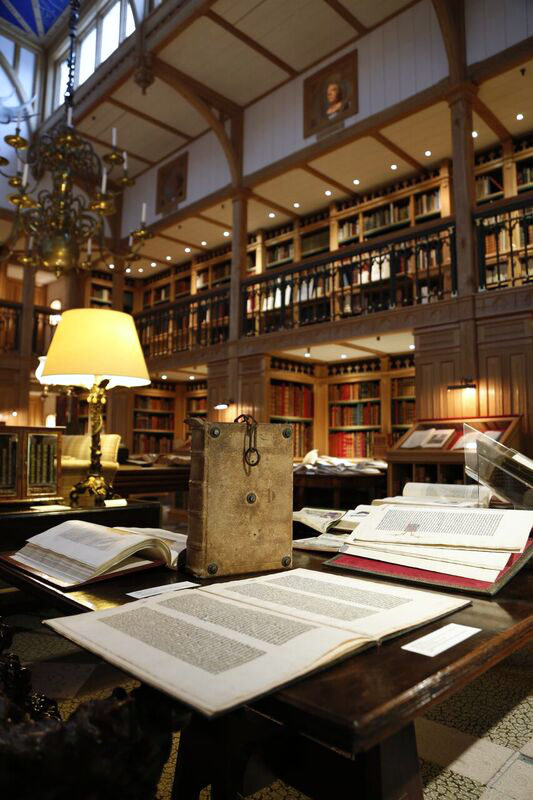 But the books are the star attraction. Beginning with what is probably the oldest fragment of an English book, a single bifolium from a copy of the Historia Ecclesiastica of Eusebius made in the Irish missionary monastery of Wearmouth in Northumbria in 640 AD, the manuscript collection is stunning and includes the great Ottoburen Gradual, made in Germany in 1164, the Breviary of Bernard of Hainault from 1470, and a Parisian Psalter Hours from 1230.
Beautiful printed books abound. These include the only copy of Caxton’s Canterbury Tales in private hands, the very first book printed in England from 1476, purchased for £4,625,500 in 1998 from the sale of the estate of Olive, Dowager Countess Ftizwilliam; the finest copy of the Ulm Ptolemy printed by Lienhart Holle in 1482 lavishly coloured with pure lapis lazuli pigments; and, the finest copy known of Thomas More’s Utopia from 1516. More’s nemesis is present in another extraordinary survivor. Getty’s Library holds a Psalter made for Anne Boleyn as she waited for Henry VIII to rid himself of Katherine of Aragon. In French, the text is ascribed to the protestant Louis de Berquin, and tactfully incorporates Henry’s cipher at several points with Anne’s initials.
 Getty’s interest in books was omnivorous. He collected contemporary bindings, manuscripts by William Morris, art and craft books, and a wonderful collection of books bound specially for display at the Great Exhibition of 1851. It includes an incredible jewelled binding by Sagorski and Sutcliffe of the poetry of John Keats. Made in 1912, it incorporates 4,500 pieces of coloured leather and 1,027 jewels. In 2002 Getty achieved an abiding ambition, purchasing from Oriel College, Oxford, Shakespeare’s first folio for £3,500,000 completing his set of the four folios, all in contemporary bindings. Just a year later he died, having seen the pages of his last commission, Tennyson’s The Lady of Shallot made by the scribe and illuminator Andrew S. Jamieson, and subsequently bound by James Brockman. This beautiful book with its binding referencing the spires of Camelot is a fitting end to the extraordinary world of books that Getty imagined and created.
On our tour Great Libraries and Stately Homes of England, enjoy a private visit of Wormsley House, with its library built by Sir Paul Getty to house his remarkable collection; our hosts’ generosity has made this a tour highlight for past participants.
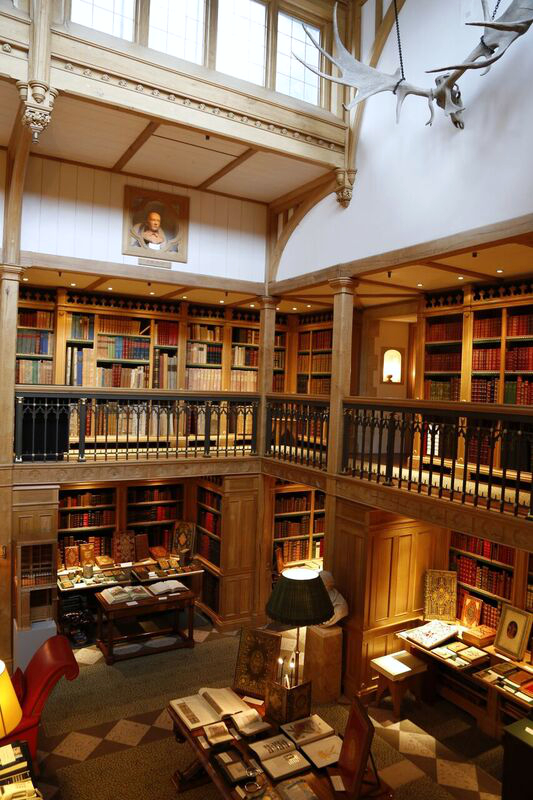
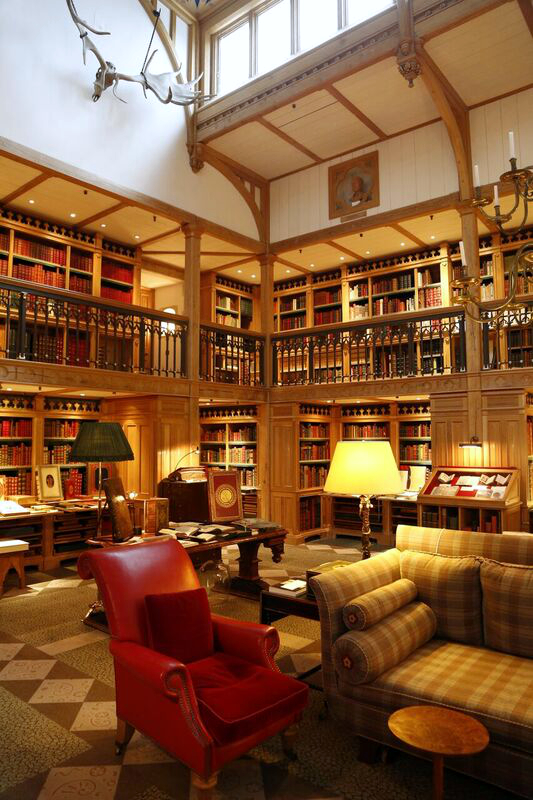
Visit great libraries and fine stately homes of England on our tour Great Libraries and Stately Homes of England with bibliophile and historian Shane Carmody who has called upon his personal contacts to gain privileged access to special private libraries.
Credit for photos:
The Wormsley Library, Chiltern Hills, England – Photo Courtesy of The Wormsley Estate
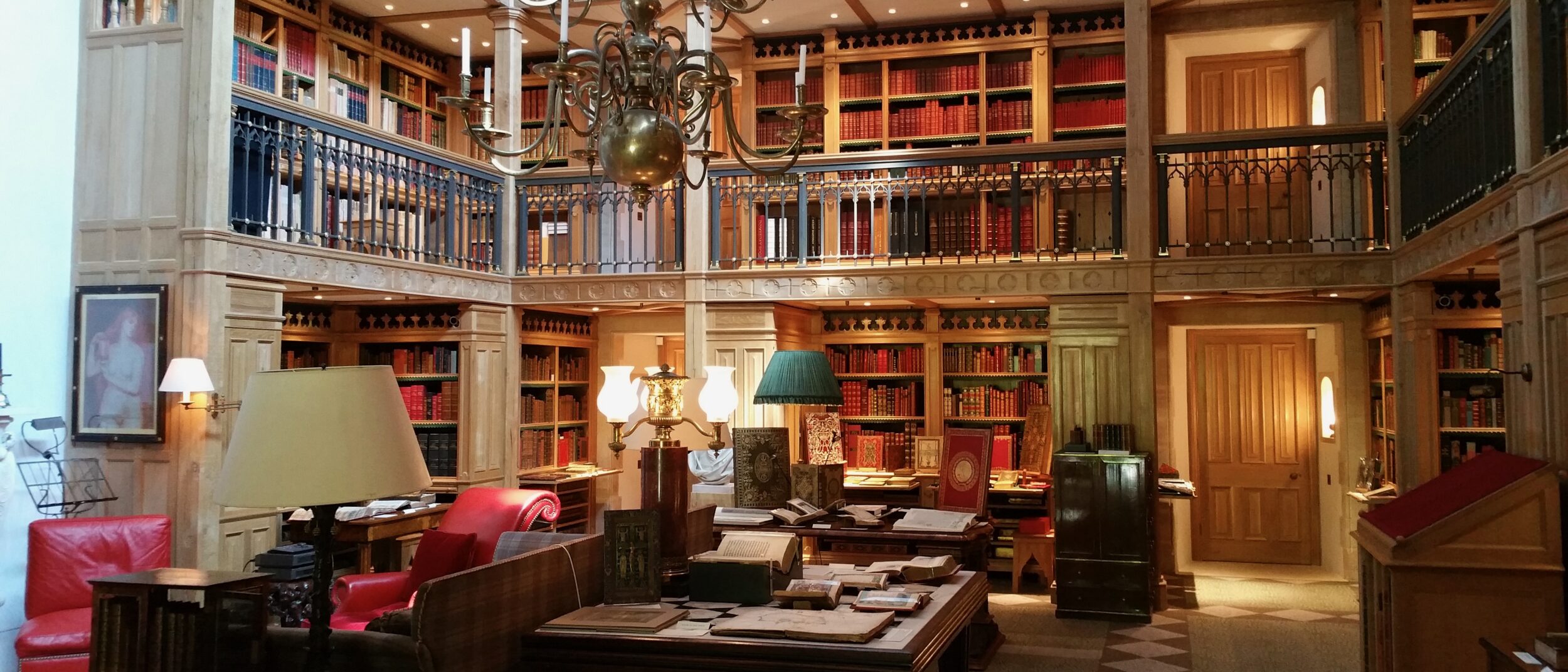 Great Libraries and Stately Homes of England 2026
 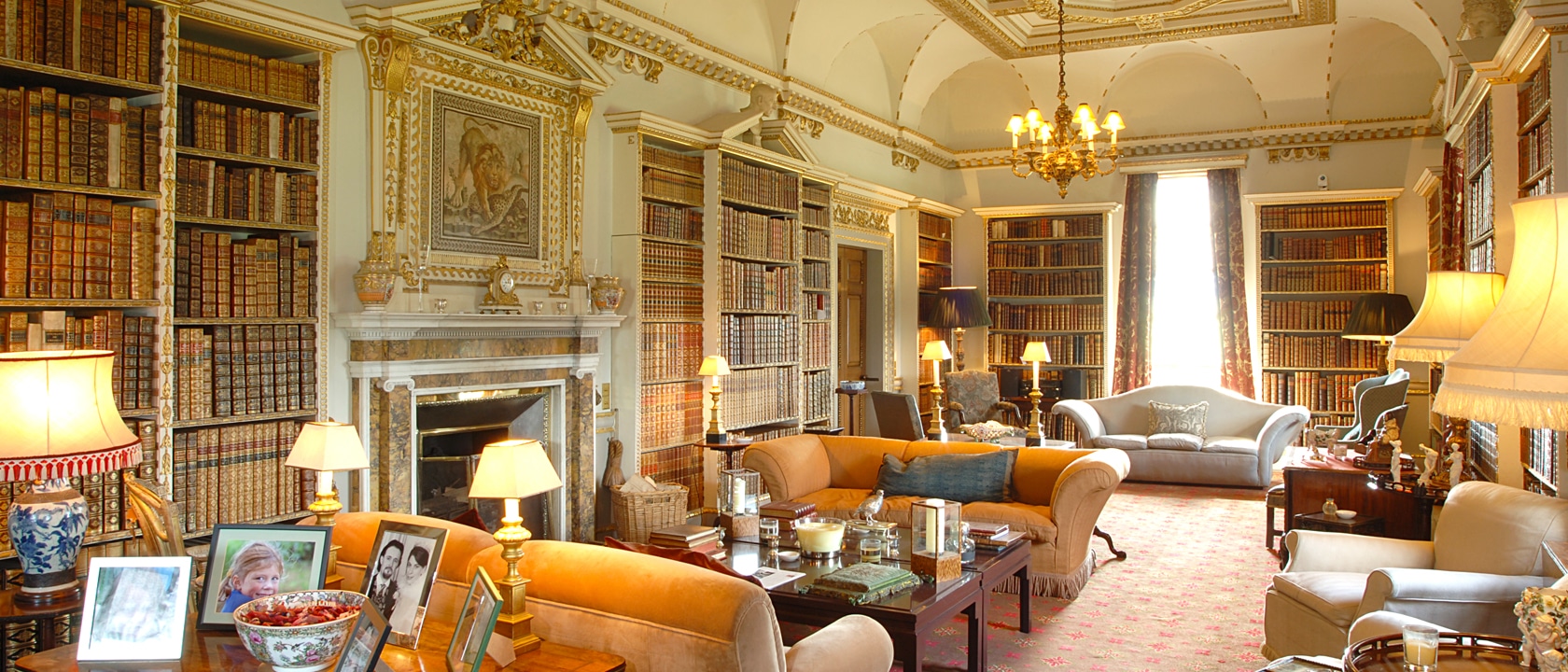 Great Libraries and Stately Homes of England 2027