
Cremona: City of Art & Music
by Romain Nugou
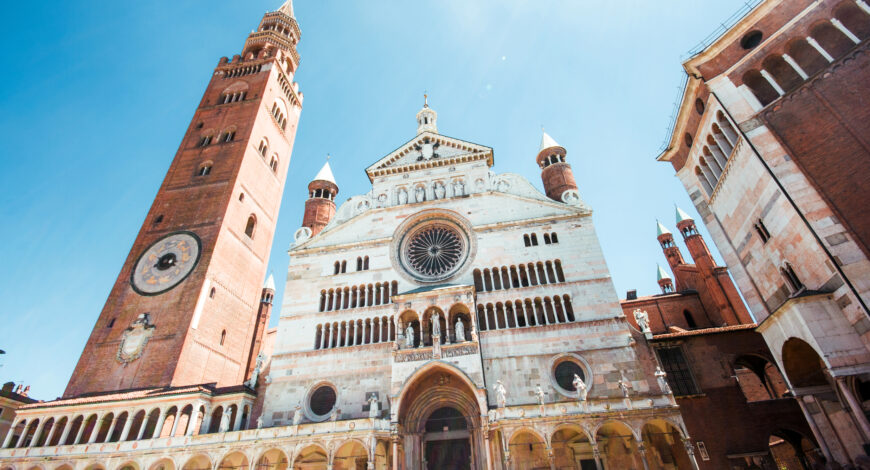
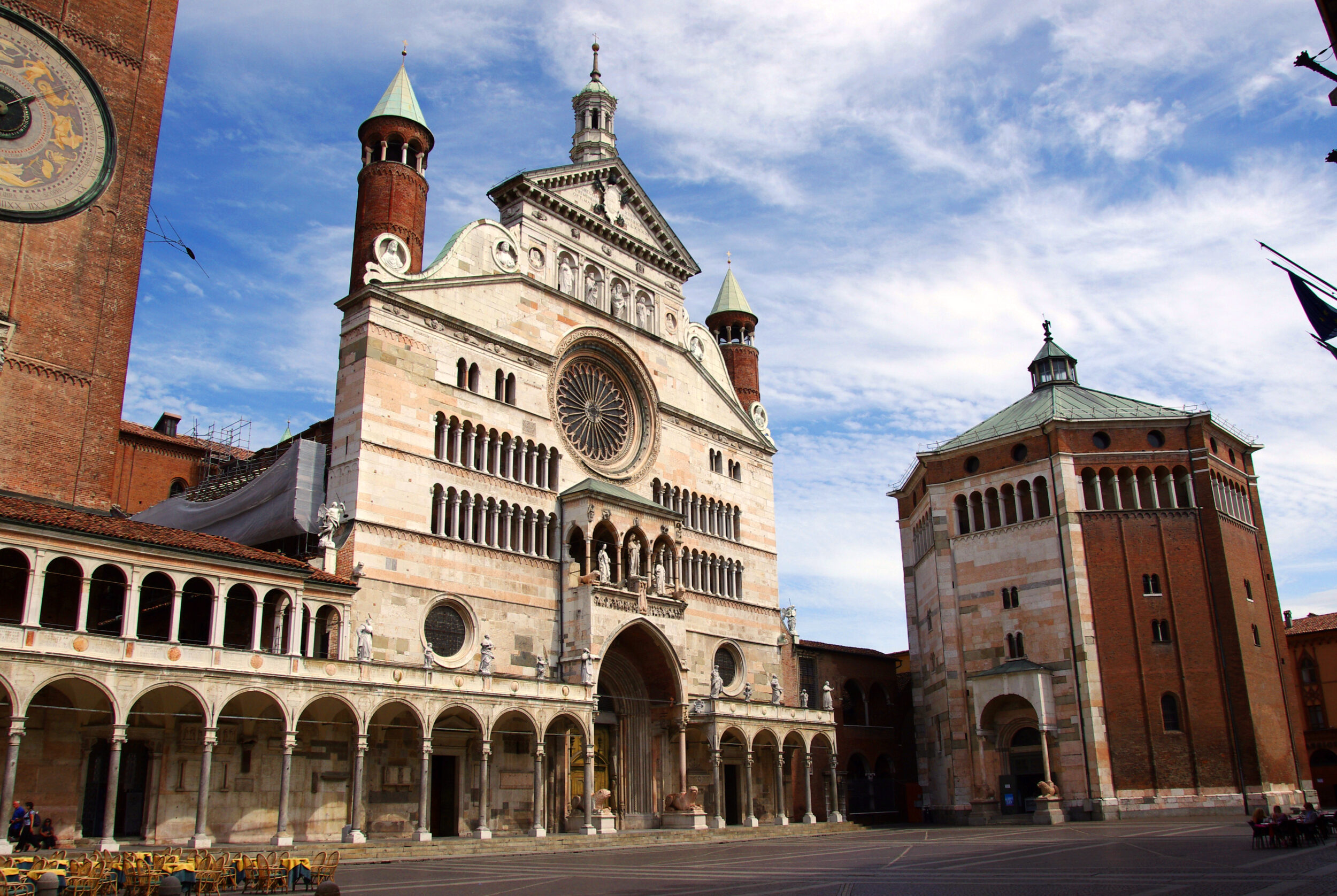
Walking amongst its elegant inhabitants and fine civic buildings, the modern-day visitor to Cremona sees a prosperous, medium-sized city like many others in northern Italy. Located in Lombardy, on the left bank of the Po River which forms the natural border with Emilia-Romagna, Cremona is distinguished however by its status as home to makers of the world’s finest stringed instruments. Among its lutieri (luthiers) stands the most celebrated of all, Antonio Stradivari, but also the Amati and Guarneri families.
Cremona boasts a rich and distinguished musical heritage. Its 12th-century cathedral became a centre of organised musical life in the region during the late Middle Ages. By the 16th century, the city had established itself as one of Italy’s foremost centres of music, a distinction it continues to hold today.
Historical Overview of Cremona
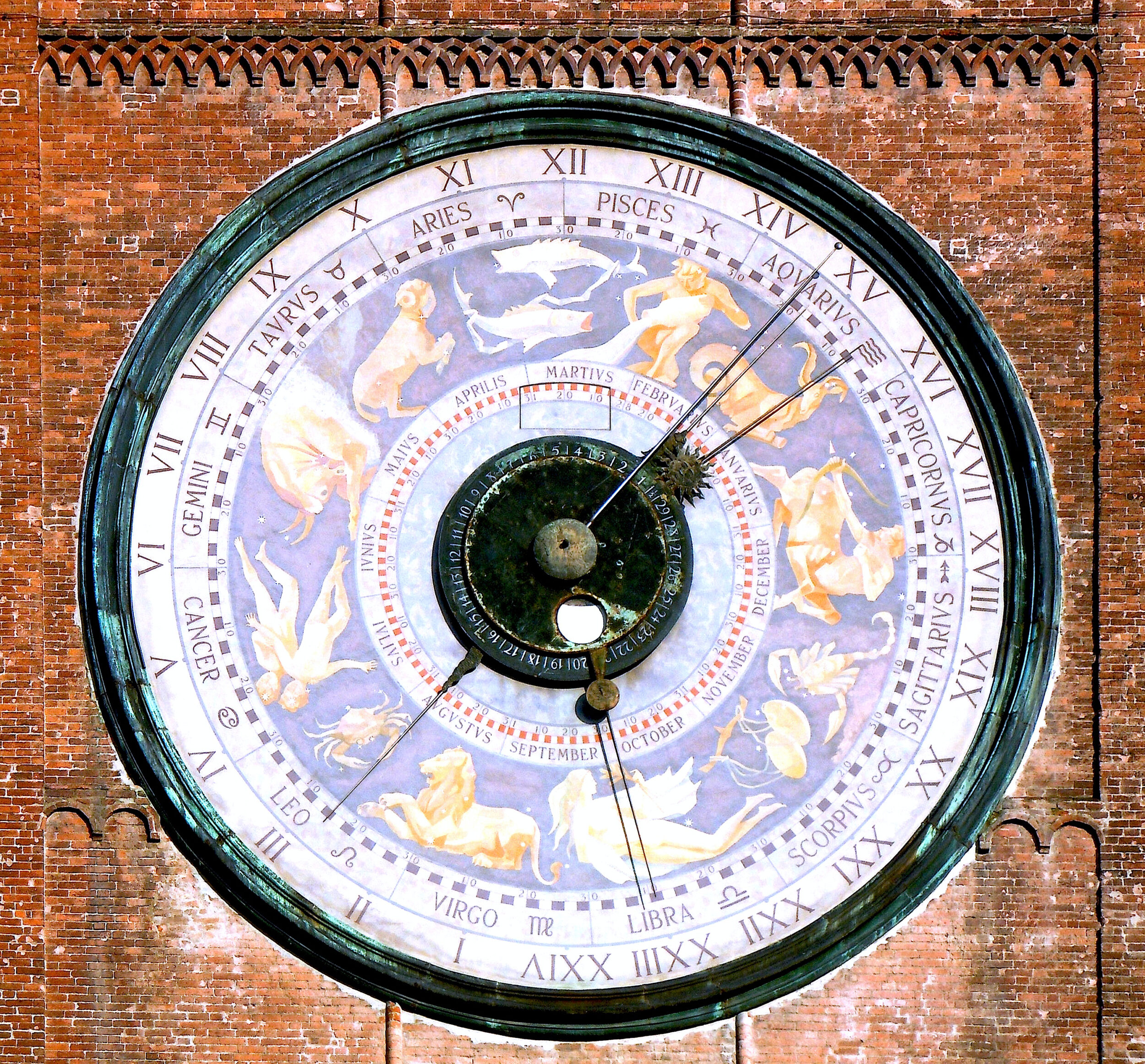
Cremona’s history stretches back long before the Roman era. The fertile plains surrounding the River Po were inhabited by Celtic peoples, particularly the Cenomani, who settled the region during the Iron Age. Its strategic location along important trade routes made the area a natural centre for commerce and communication.
In 218 BCE, during the Second Punic War, the Romans established Cremona as a military colony to strengthen their control of northern Italy. The city quickly developed into an important administrative and commercial centre, benefiting from fertile agricultural land and its position on the River Po. Roman Cremona prospered with the construction of roads, public buildings, temples, and defensive walls, becoming one of the principal settlements of Cisalpine Gaul.
Following the decline of the Western Roman Empire in the 5th century, Cremona experienced repeated invasions and political instability. The city came under the rule of successive powers, including the Ostrogoths, Byzantines, and Lombards. Despite these upheavals, Cremona retained its importance as a regional settlement and river port. By the early medieval period, it had begun to recover economically and politically, aided by its growing religious institutions and strategic position. These foundations would eventually support the city’s emergence as one of northern Italy’s most influential medieval communes and, centuries later, the birthplace of the world’s most celebrated violin-making tradition.
The Cremonese Tradition of Violin Making
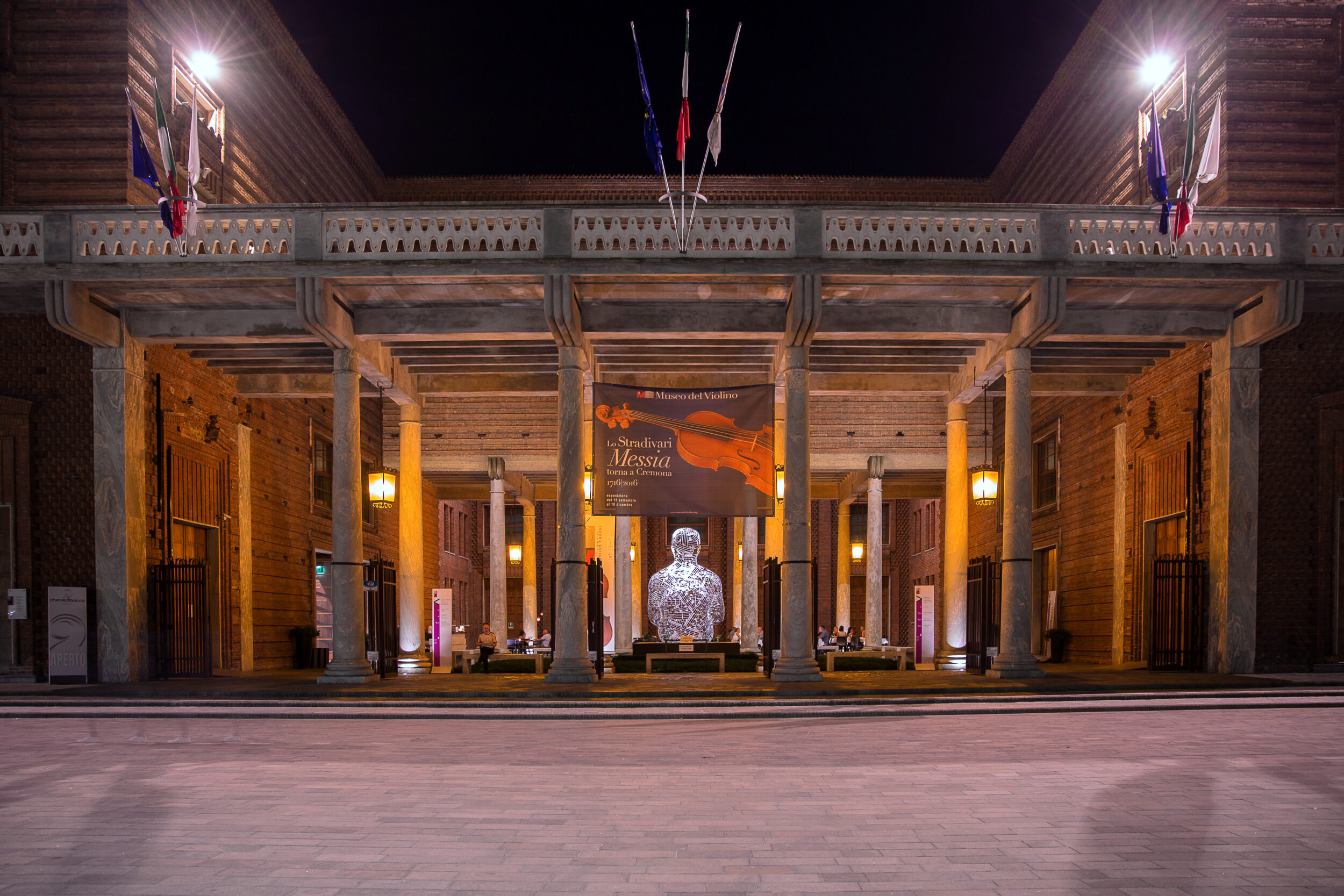
From the 16th century onwards, Cremona gained international fame for the manufacture of exceptional musical instruments, particularly the violins produced by the Amati family, followed by the Rugeri, Guarneri and Stradivari workshops. It is estimated that Antonio Stradivari (c. 1644–1737) crafted 1,116 instruments, including around 960 violins. Today, historians and experts estimate that roughly 500 genuine Stradivarius violins exist. These handcrafted masterpieces are widely regarded as the pinnacle of string instrument craftsmanship and remain among the most valuable musical instruments ever made. Cremona continues this tradition of excellence, and outstanding examples can be admired at the city’s Museo del Violino.
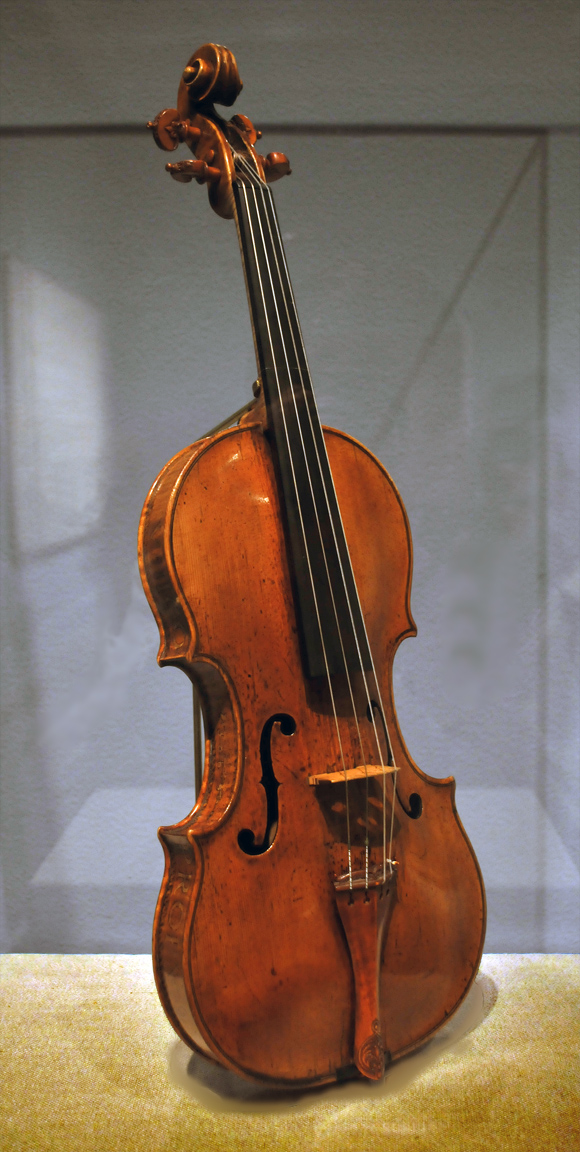
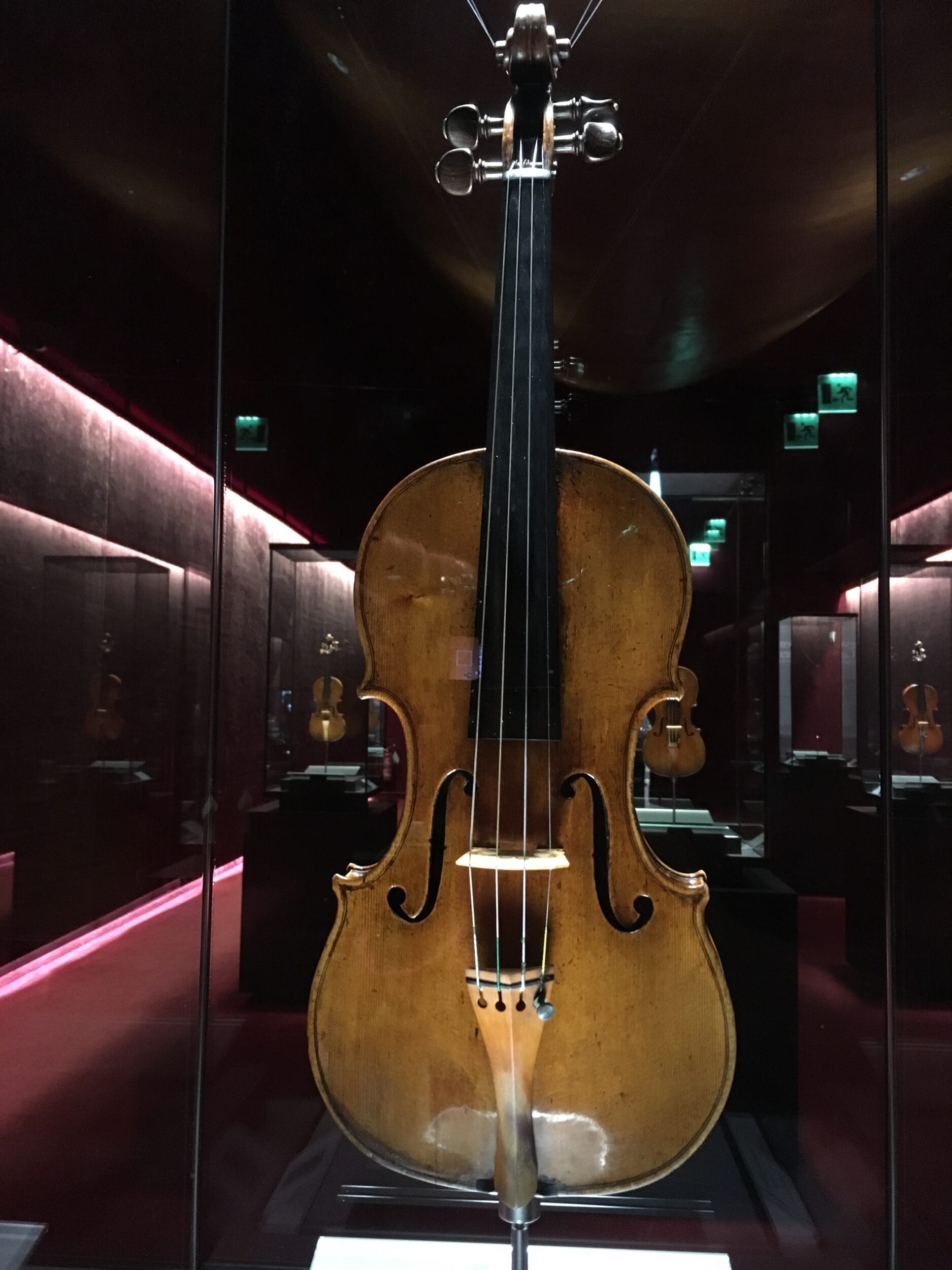
Left: Andrea Amati violin – Met Museum NY by Jaime Ardiles-Arce, CC BY-SA 3.0 <https://creativecommons.org/licenses/by-sa/3.0>, via Wikimedia Commons; Right: Violon “Stauffer” 1734 de Giuseppe Guarneri del Gesù by Dave74~frwiki, CC BY-SA 4.0 <https://creativecommons.org/licenses/by-sa/4.0>, via Wikimedia Commons
Each instrument is meticulously handcrafted and assembled from more than seventy individually shaped wooden components. Every part of the violin demands a specialised technique, carefully adapted to the unique acoustic properties of each piece of wood. Because no two pieces of timber respond in exactly the same way, it is impossible to create two identical violins. The precision and attention required at every stage, combined with the distinctive characteristics of each piece of wood, make authentic Cremonese craftsmanship impossible to reproduce through industrial manufacture.
A traditional Cremonese luthier relies exclusively on handcrafted methods, using no industrial or semi-industrial components. The instrument is finished with carefully applied hand-brushed varnish, never sprayed. Many features that appear purely decorative in fact serve essential functions, enhancing the violin’s projection, tonal quality, or long-term durability.
From the selection of the tonewood to the completion of the finished instrument, every stage of construction is personally overseen by the violin maker. This uncompromising level of craftsmanship means that a Cremonese master typically produces only three to six violins each year. In 2012, UNESCO recognised “Traditional violin craftsmanship in Cremona” as an Intangible Cultural Heritage of Humanity.
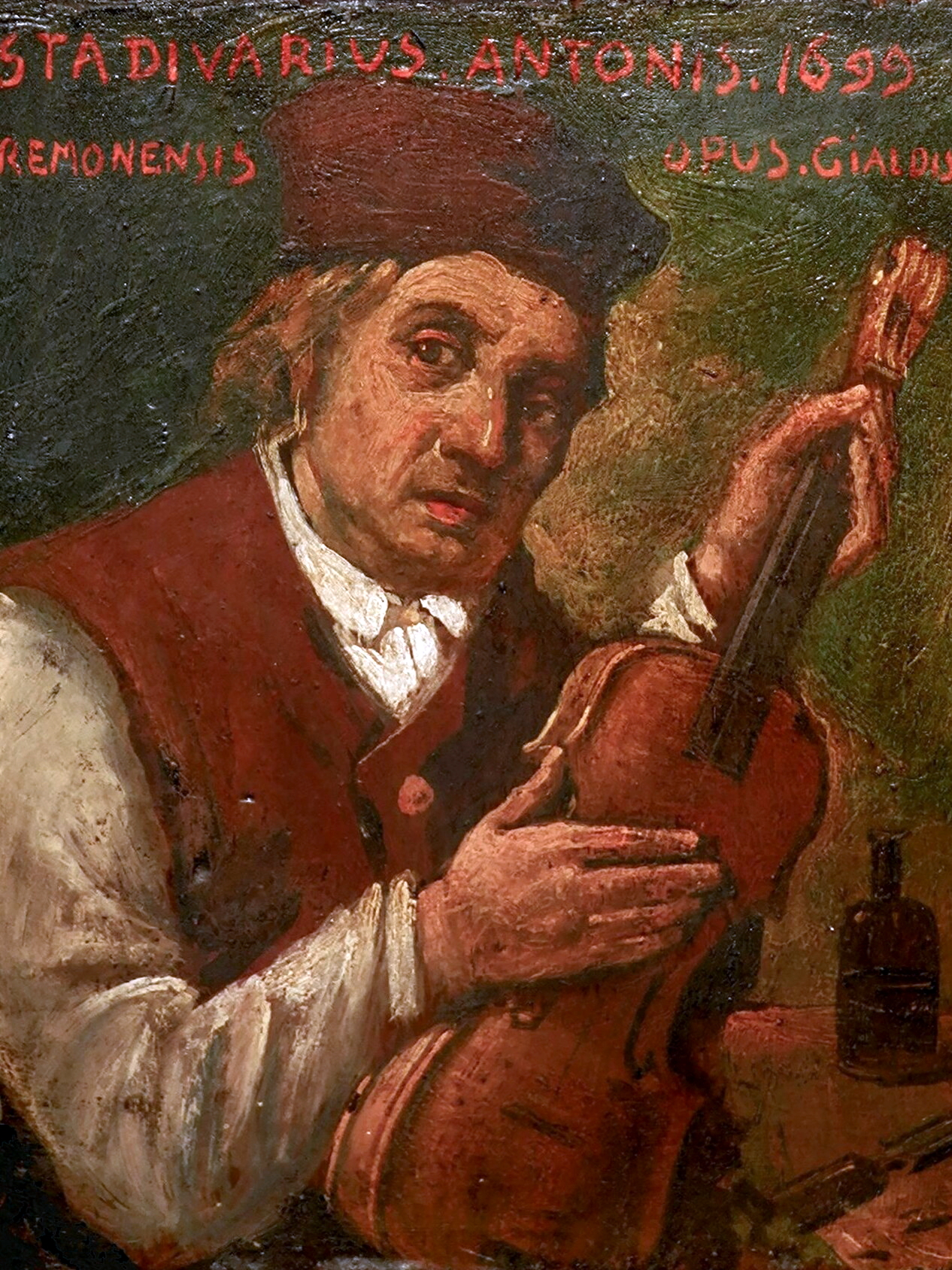
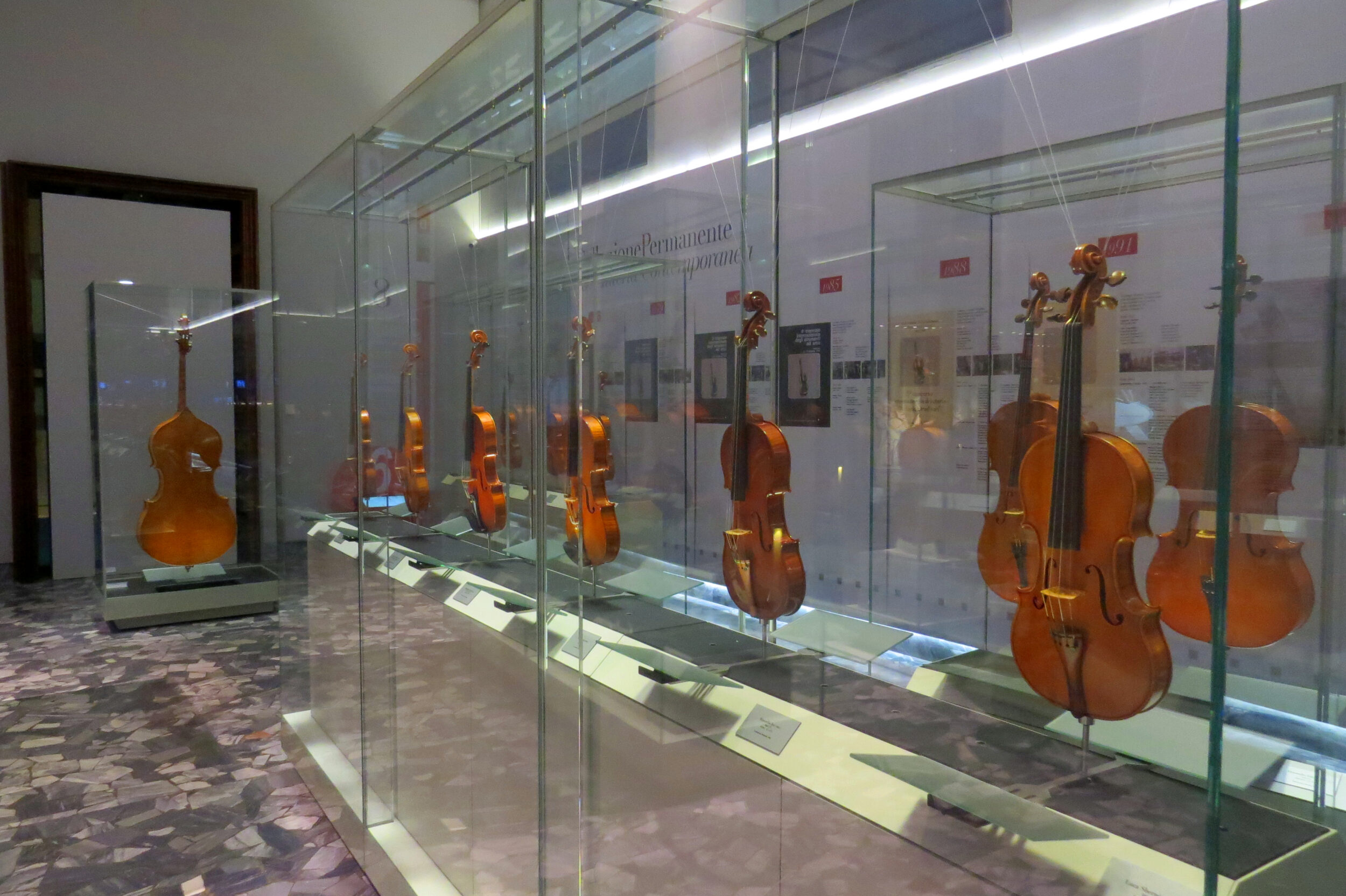
Left: Copy of portrait possibly depicting Antonio Stradivari. Possibly a copy by Francesco Gialdisi after an anonymous original, or an anonymous copy of an original by Gialdisi. Note the baroque construction of the instrument and elongated proportions characteristic for “allonge” period of Stradivari’s career. Public domain, via Wikimedia Commons; Right: Museo del Violino di Cremona by Simone Ramella from Roma, Italy, CC BY 2.0 <https://creativecommons.org/licenses/by/2.0>, via Wikimedia Commons
Perugino & Caravaggio in Cremona
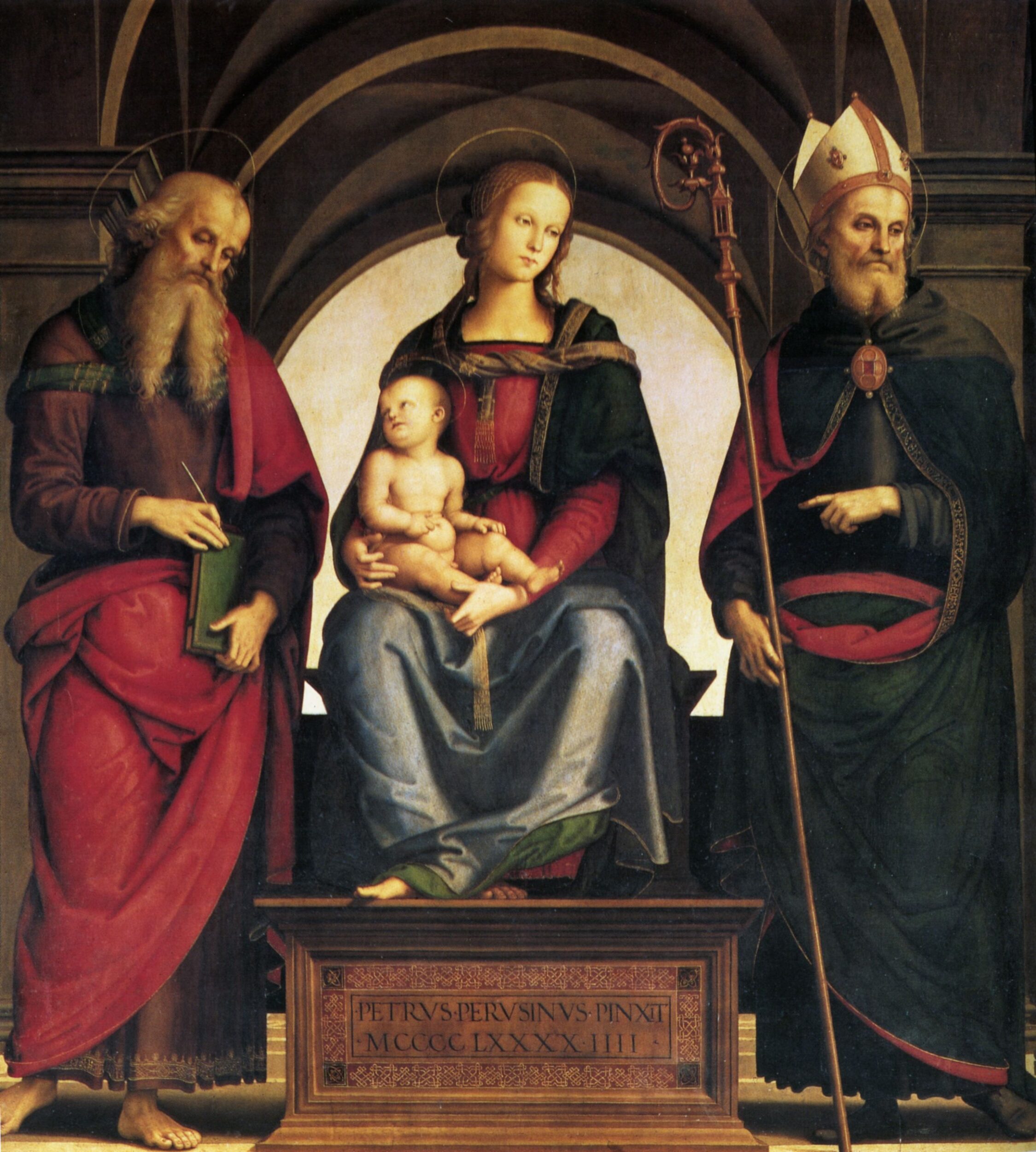
Cremona is not only a city of music but also holds some significant paintings. Among these artistic treasures is a superb altarpiece by Perugino (c. 1446/1452–1523), commissioned by the Chiesa di Sant’Agostino and completed in 1494. During the 1480s, Perugino executed a series of frescoes for the Sistine Chapel, a prestigious commission that established him as one of the leading artists in Italy.
The Virgin Mary is seated with the Christ Child on her lap, while the infant turns towards Saint John the Evangelist, shown on the left holding a pen and book. On the right stands Saint Augustine, dressed in episcopal robes and gesturing towards the Child. Mary’s gentle features retain the refined elegance of Perugino’s earlier style, whereas his later works increasingly portray her with a more mature, restrained, and austere expression, often interpreted as reflecting the more austere religious climate associated with Dominican Friar Savonarola (1452-98). The painting had a profound impact on local 15th-century artists, introducing Florentine innovations in spatial perspective together with a greater sense of grace and naturalism in the human figure.
Another masterpiece is Caravaggio’s San Francesco in Meditazione (St Francis in Meditation), now housed in the Museo Civico Ala Ponzone and painted between 1603 and 1606. The painting was commissioned by Monsignor Benedetto Ala, a high-ranking Roman Catholic prelate who acted as a protector for the artist. When Ala died, his personal art collection stayed with his family in Cremona. The family eventually donated the artwork to the local city museum.
The work is deeply moving, functioning not only as a portrayal of the saint absorbed in prayer but has often been interpreted as possessing autobiographical overtones. Saint Francis is shown alone in a wilderness setting, reinforcing the themes of solitude and spiritual reflection that became increasingly prominent during the artist’s final years.
The composition refers to an episode from Bonaventura da Bagnoregio’s Legenda maior, the official biography of St Francis of Assisi commissioned by the church in 1260. The saint’s intense contemplation is underscored by the crucifix, which appears to arrest the pages of the Gospel and becomes the central focus of meditation. This powerful symbolism has often been interpreted as autobiographical, reflecting Caravaggio’s own spiritual struggle. After the killing of Ranuccio Tomassoni in 1606, the painter is believed to have been consumed by remorse and an overwhelming desire for redemption.
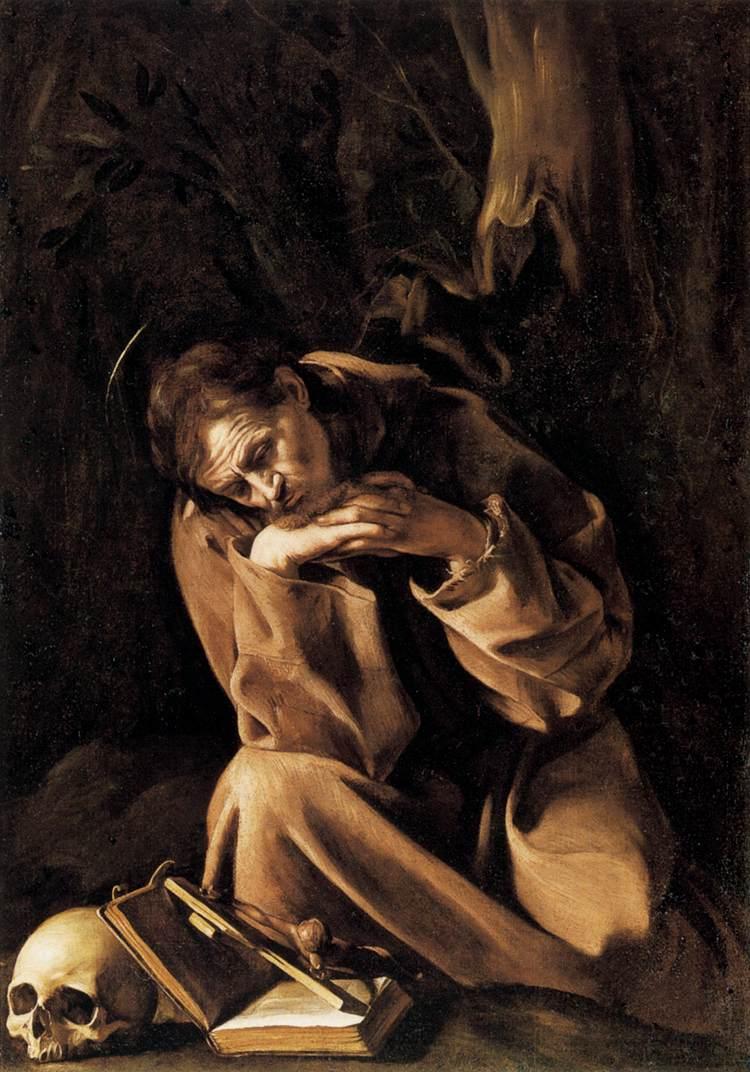
Many scholars suggest that the painting served as a deeply personal confession, entrusted to his patron as an expression of his troubled state of mind and his resignation to an uncertain future with little prospect of hope. This interpretation is strengthened by the saint’s face – some scholars have suggested that Saint Francis bears features resembling those of Caravaggio himself – lending the work an intensely personal and poignant character.
Join David Henderson, and visit the beautiful city of Cremona, on a captivating journey through the diverse landscapes of Northern Italy from Turin to Bologna on our tour Art and Landscapes of Italy’s Piedmont, Emilia-Romagna and the Ligurian Coast.
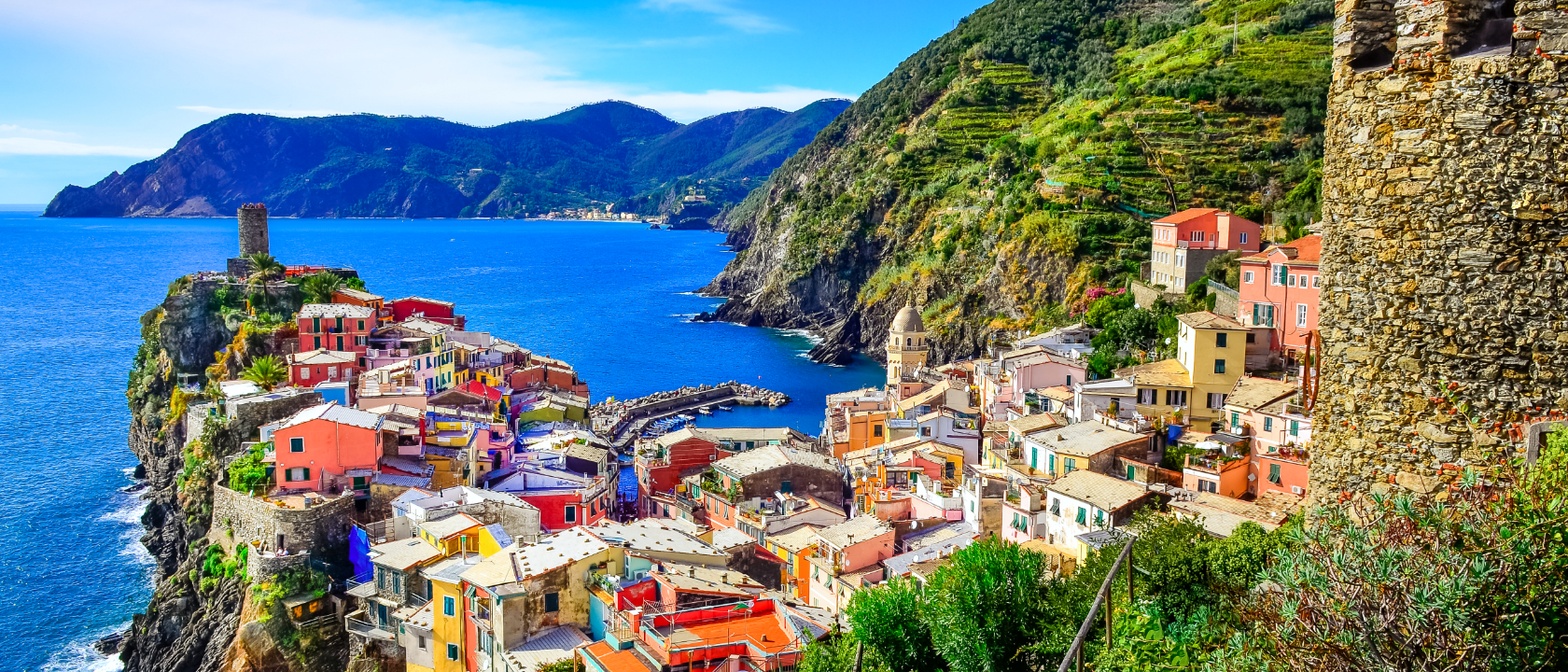 Art and Landscapes of Italy’s Piedmont, Emilia-Romagna and the Ligurian Coast 2027