
Dodona: The Oldest Oracle in Greece
by Dr Heather Sebo
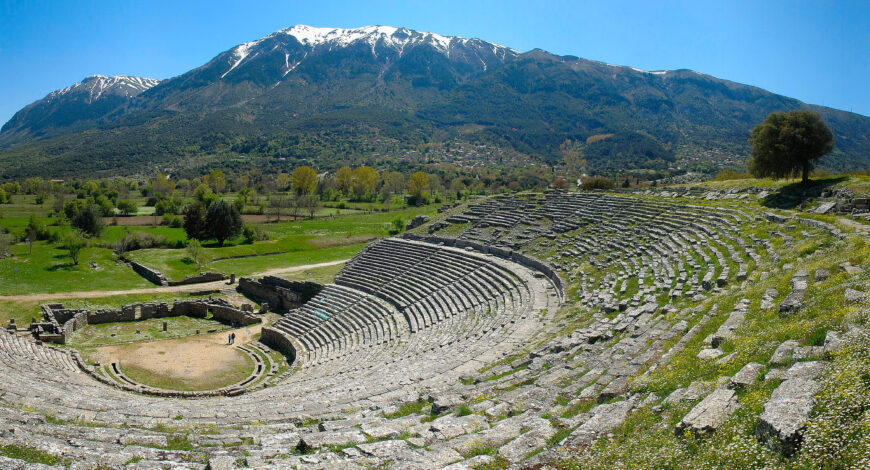
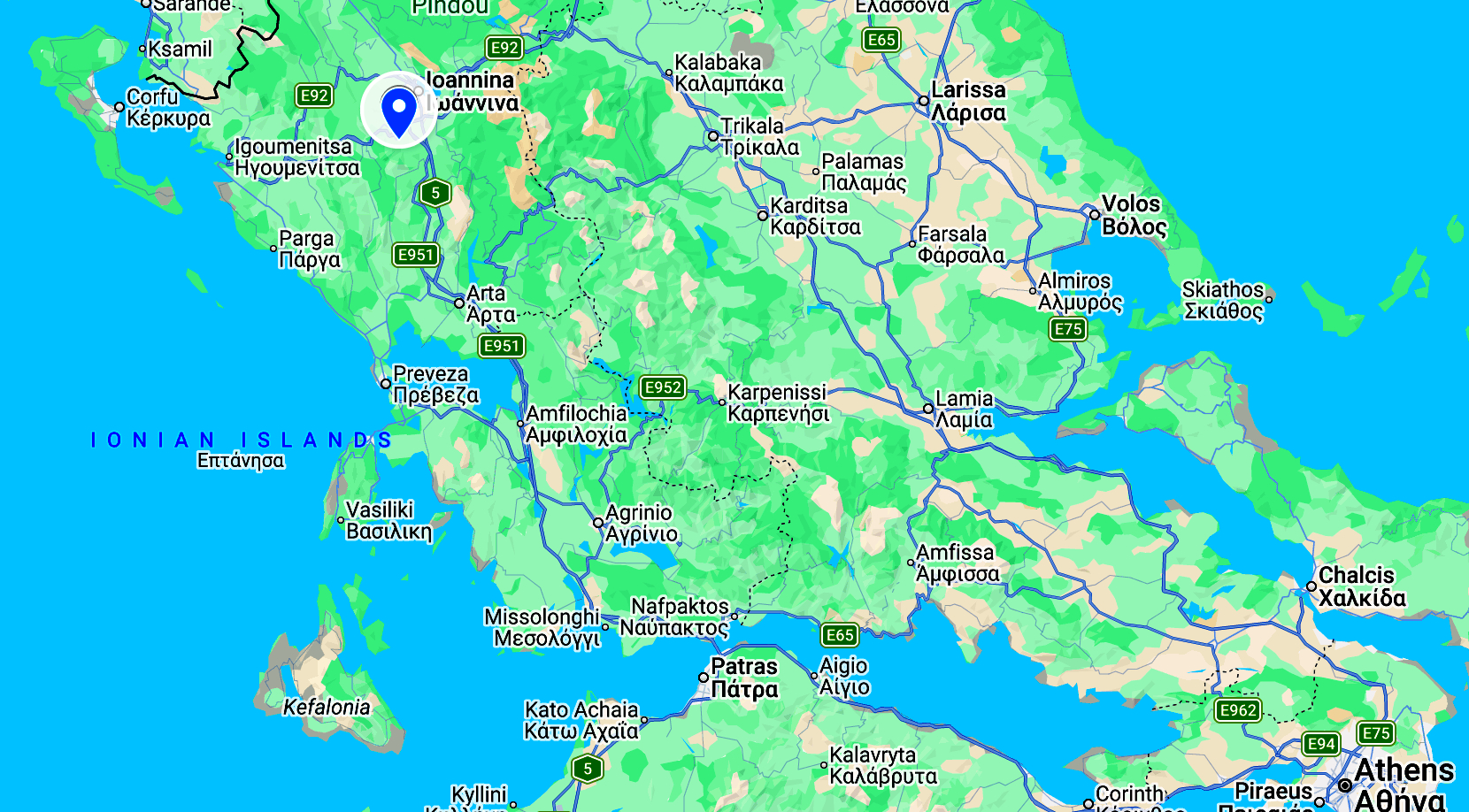
Set in a narrow valley against the eastern slopes of the Pindos Mountains, Dodona is the oldest oracle in Greece, older than Delphi. Even before the Bronze Age, it was sacred to a great earth goddess of fate and fertility. In historical times the female goddess was replaced by a masculine divinity as happened all over Greece; at Delphi it was Apollo, at Dodona it was the sky god Zeus. However, the great goddess continued to have a presence at Dodona as Zeus’ consort whose name, Dione, is cited by linguists as the feminine form of Dios (Zeus/Deity).
Oracular Rituals
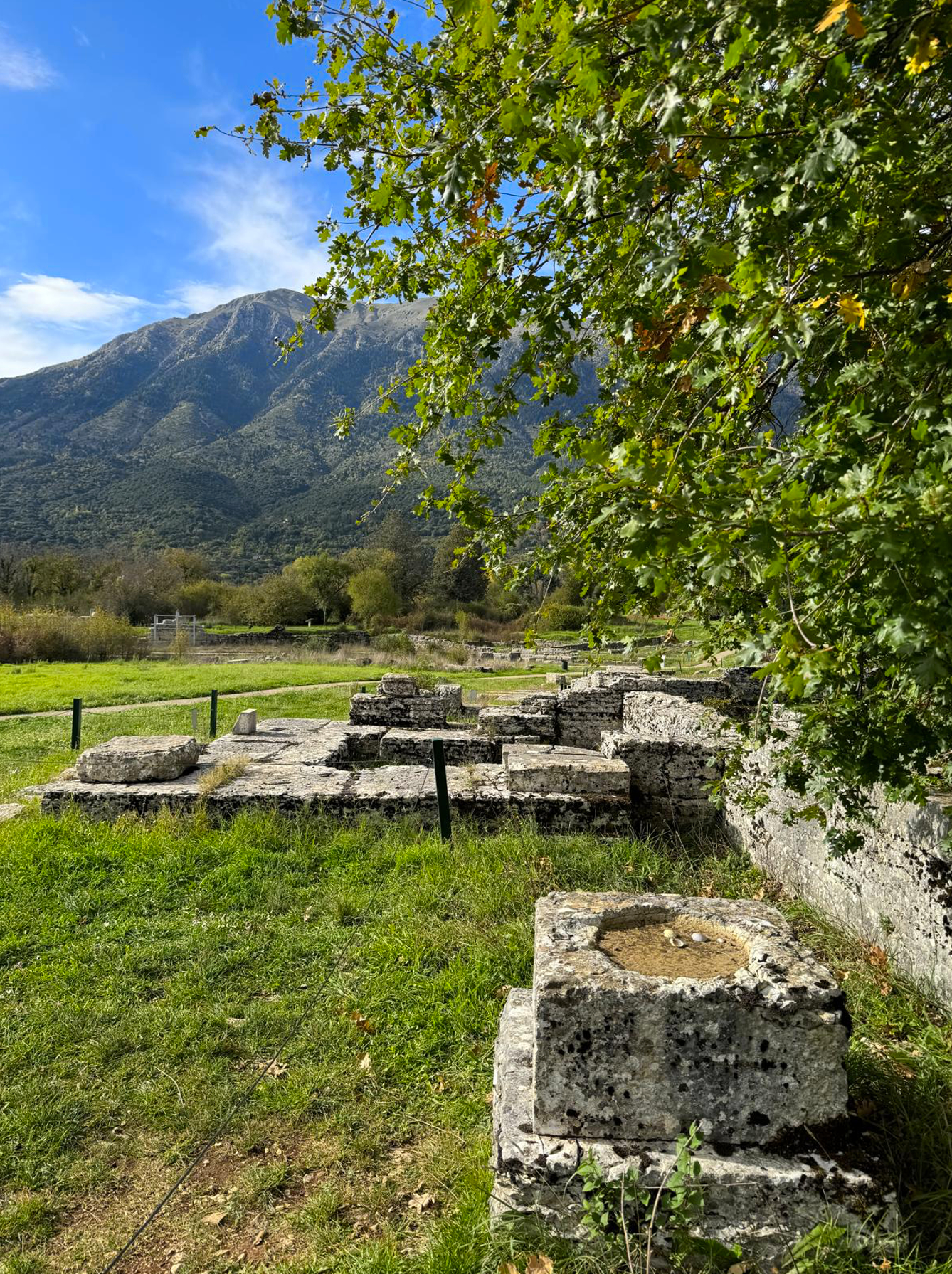
Throughout its history, the oracular rituals at Dodona centred on the veneration of a sacred oak tree. Early texts tell us that people came to Dodona with questions for the god and that the Selli (prophets) and Pleiades (priestesses) gave answers on the basis of the rustling of the leaves and the flight of the birds that nested in its branches. Hanging bronze cauldrons may also have been the source of vatic sounds; recent excavation has unearthed a bronze wheel that chimes when the wind blows.
Lead Tablets of Dodona, Featuring over 4000 Ancient Greek Oracular Questions were Inscribed in the UNESCO ‘Memory of the World’ Register in May 2023
Initially, questions addressed to Zeus Naios and to Dione were submitted orally. With the advent of literacy starting in the 6th-century BCE, the questions began to be scratched on rectangular lead tablets. Over 4,000 such tablets, about 13 x 7 cm, have been found scattered around the precinct, folded so that the writing was hidden on the inside. Many of these tablets can be seen in the Archaeological Museum at Ioannina. They open a startling window into ordinary lives.
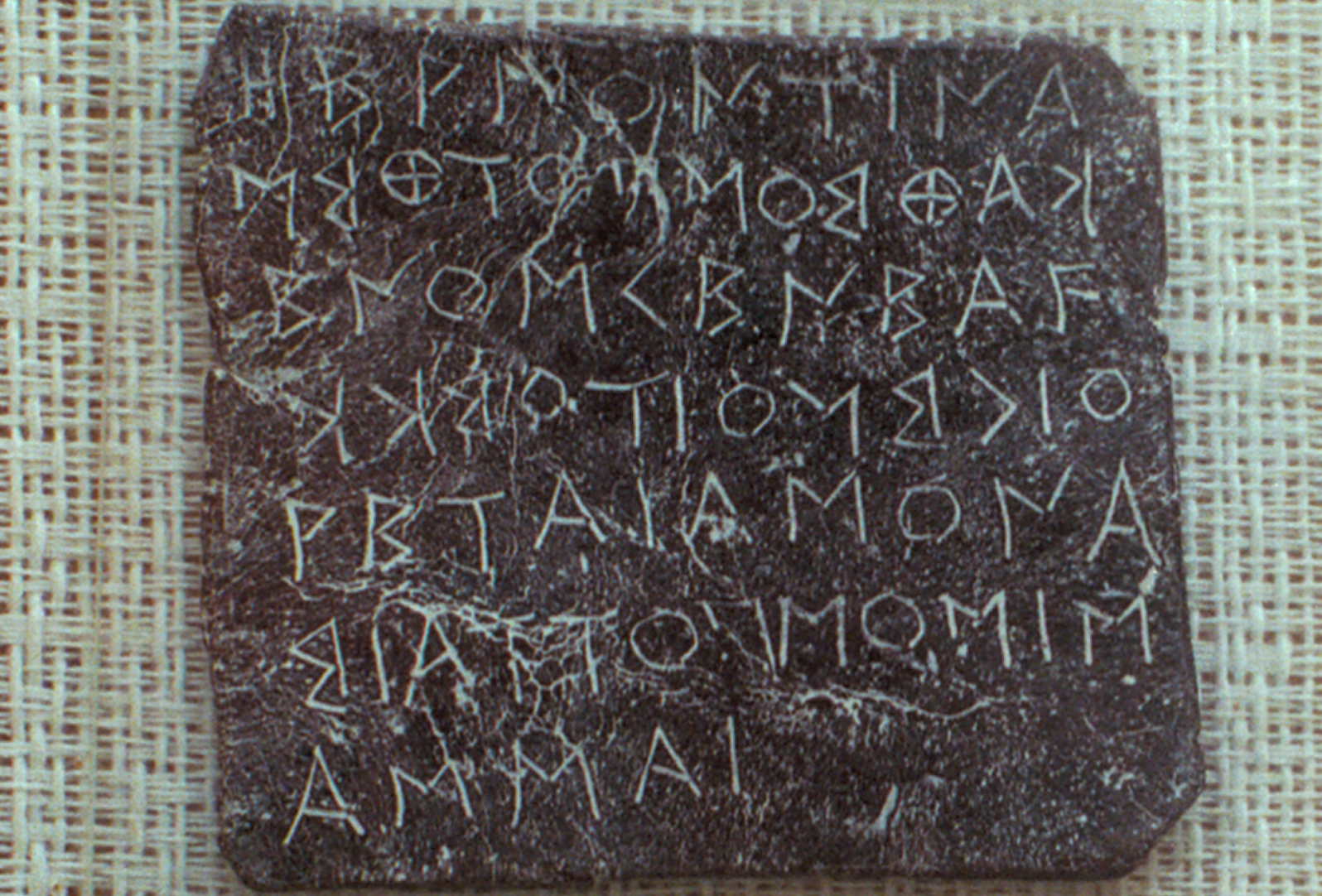
Some tablets do not specify the question being asked, possibly on the assumption that the god already knows what it will be. One questioner simply asks, “Am I on the wrong track?” A slave named Kittos wants to know will “he get the freedom that Dionysios promised him?” Hippostratos asks,“whether he would do better if he became a ship owner?”; Archonidas asks, “should he sail into Sicily?”; and Hermonn asks, “to which gods he should turn to get children from Kretaia?
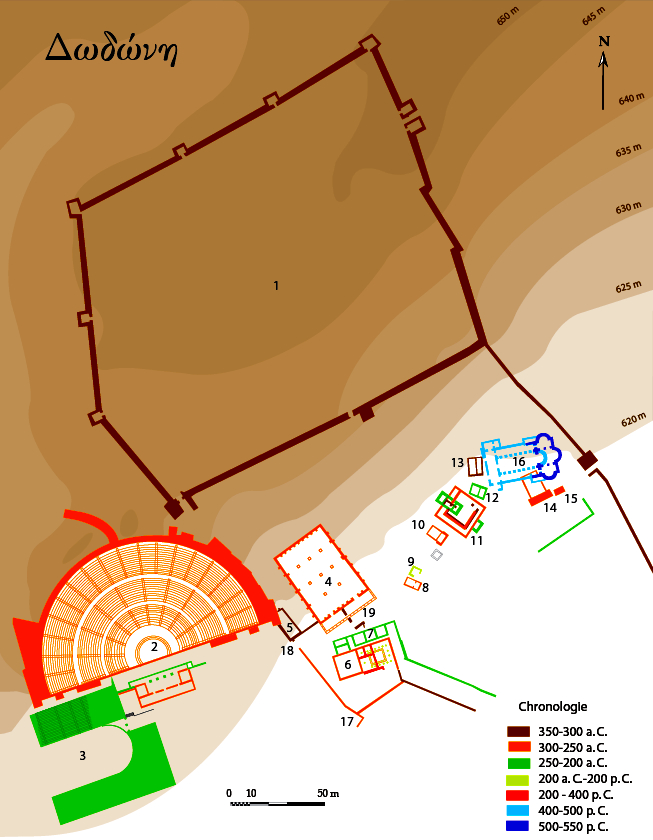
Dodona remained an open-air sanctuary until the late fifth-century. It was not until Hellenistic times, about 290 BCE, that King Pyrrhus from Epirus made Dodona his religious capital and monumentalised the site with major buildings and the splendid theatre that is so striking for modern visitors.
The Theatre of Dodona
The original theatre had a seating capacity of up to 17,000 spectators and was a characteristic Greek masterpiece with fine acoustics and an open orientation that allowed the mountain panorama to become a powerful backdrop for events on stage. In Roman times, when the theatre became an arena for gladiatorial contests and fights with wild animals, it became necessary to modify the structure to protect spectators; the first rows of seats were removed and the original orchestra (stage circle) was fortified with a 2.80 metre wall that greatly reduced its size. Modern restorations of the theatre started in 2000 and performances began in 2022. The work is ongoing.
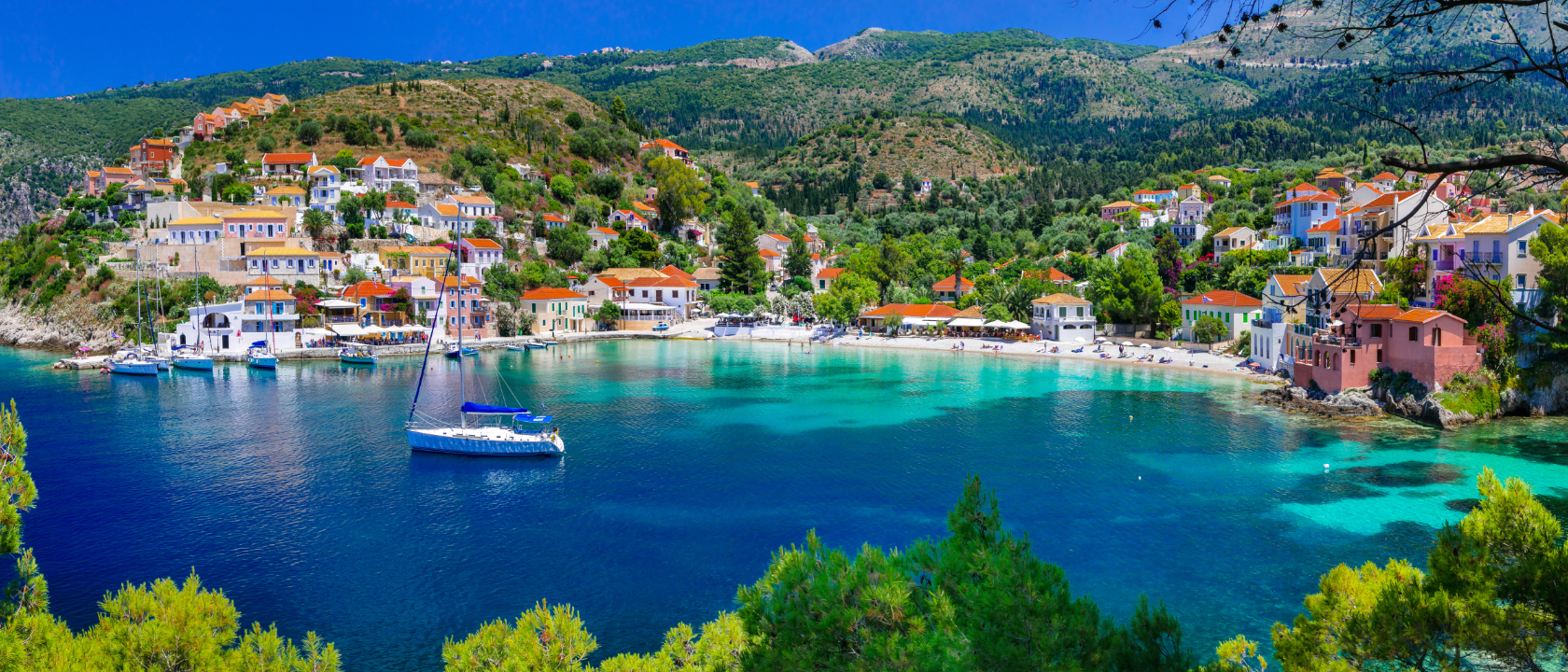
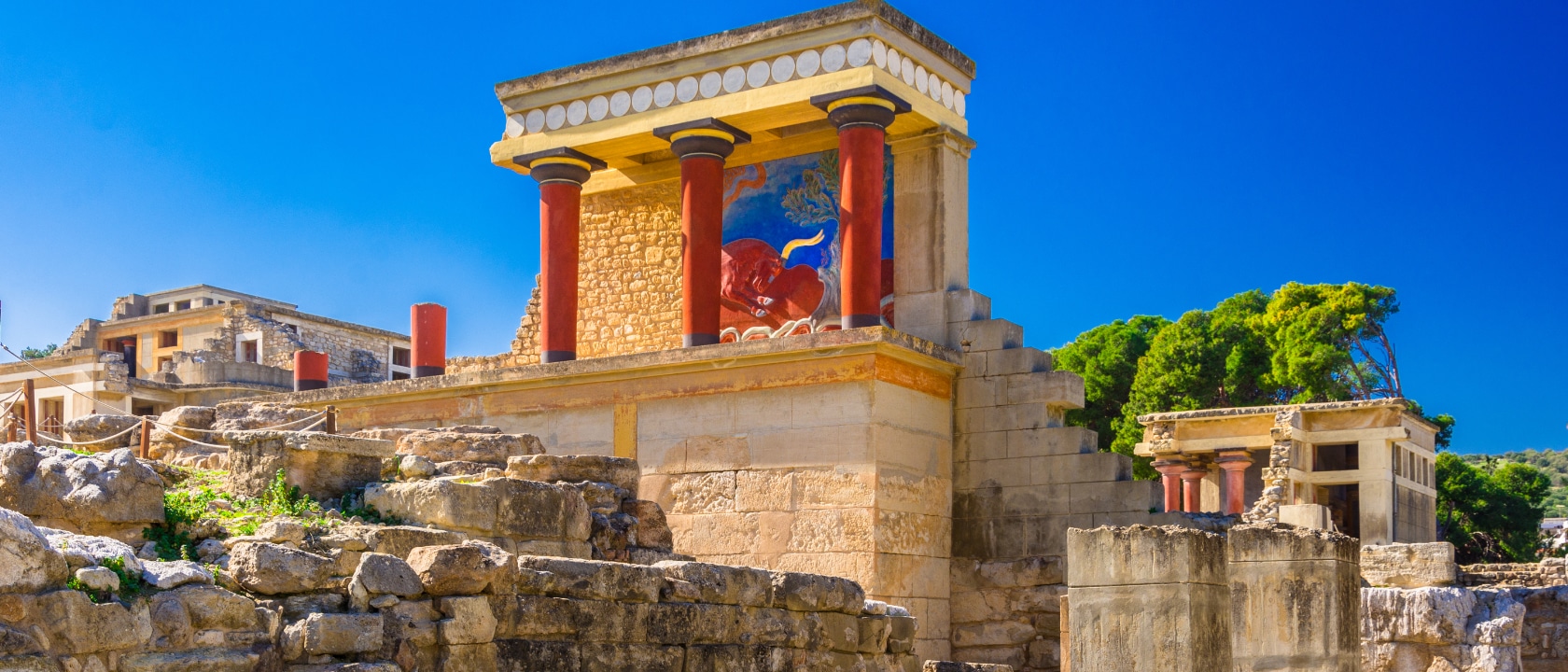
To visit Dodona and the Archaeological Museum of Ioannina join Dr Heather Sebo on our tour Between Sea and Sky: Homer’s Greek Islands. We also travel to the fabled palace kingdoms of Minoan Crete; the citadels of Mycenaean Greece; Corinth, Olympia, Messene; and the Ionian islands of Kefalonia, Ithaca & Corfu.
 Between Sea and Sky: Homer’s Greek Islands 2026
  Between Sea and Sky: Homer’s Greek Islands 2027