As you head north in Morocco, away from the dry heart of Africa towards the relatively mild shores of the Mediterranean, you expect the landscape to become wetter and the vegetation more luscious. In the case of ASA’s annual tour, beginning on the more climatically benign south coast at Agadir but soon heading east to sunny Marrakesh and on to the edge of the Sahara, that change is most obvious when we cross the Rif Mountains on our way to Tangier
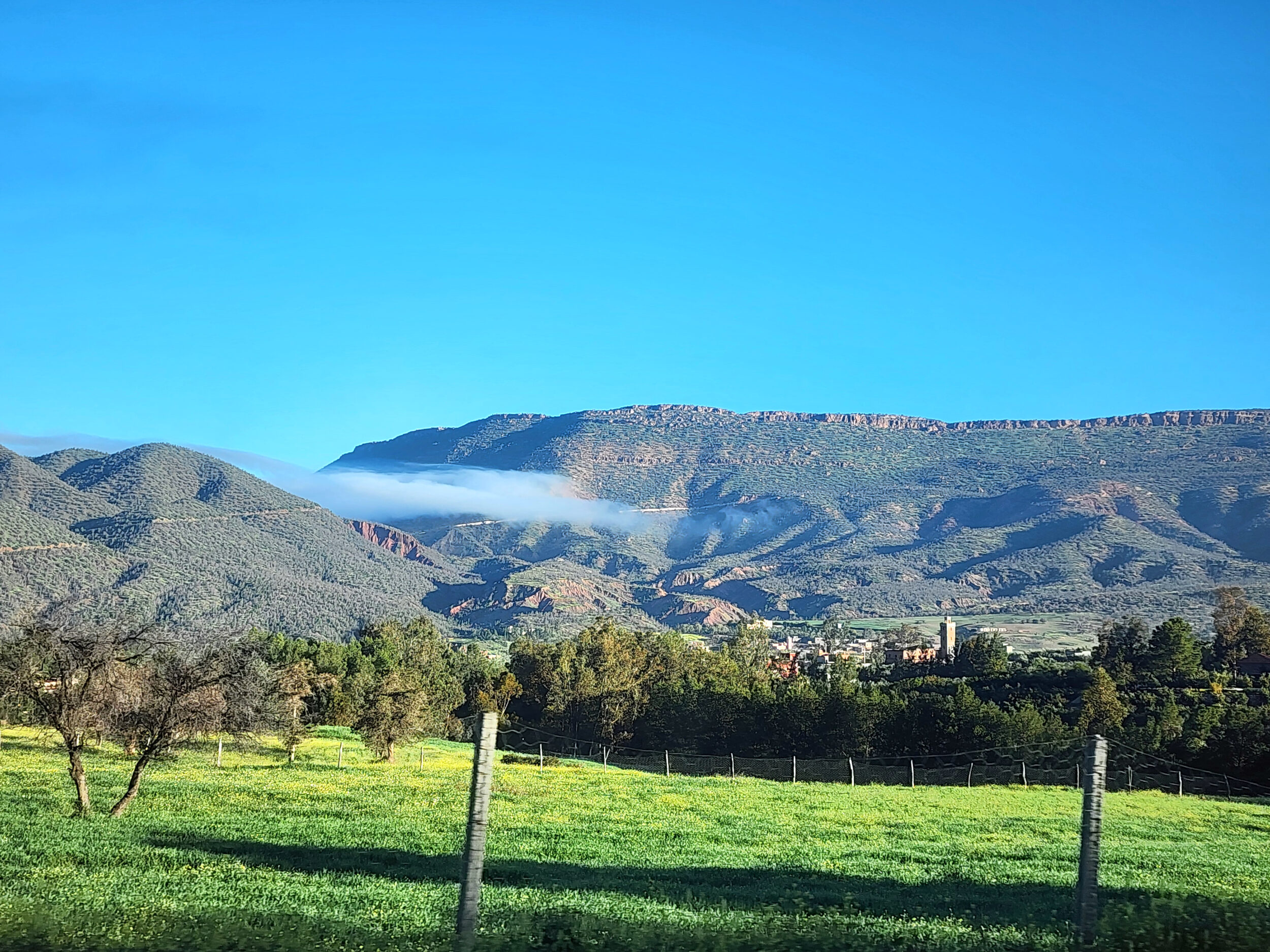
This year there was a green tinge to (almost) the entire country, from our two crossings of the High Atlas through to the usually dusty plains of the south. If not verdant, the roadsides were certainly freshened by the recent heavy rains.
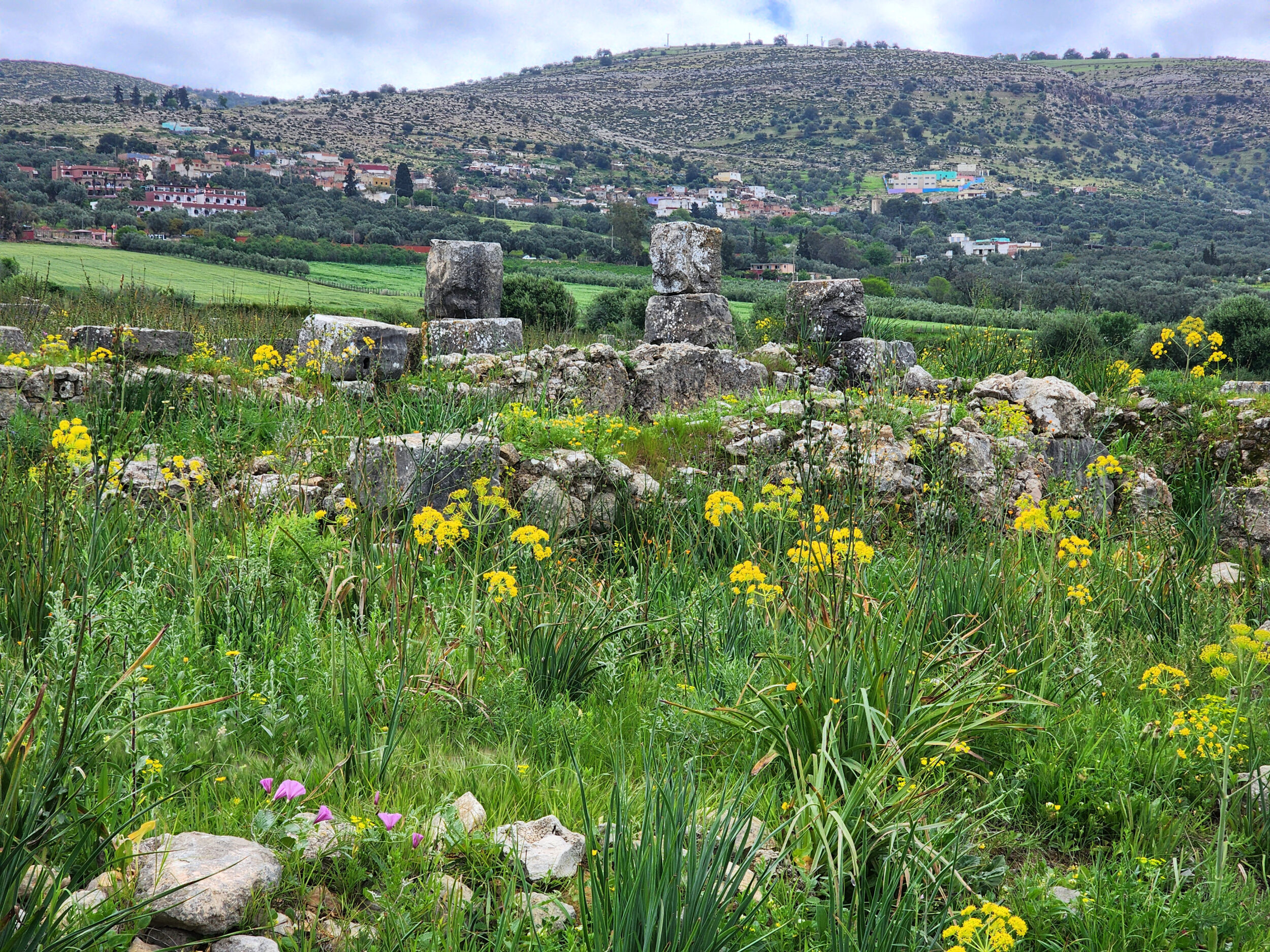
For the plant lover, this meant even more flowering annuals and seeing the resilient olives and local argan trees springing back to life after one of the worst droughts in recent history. We saw fields of red poppies as you might find in Spain or France, and paddocks crowded with yellow and blue flowered rapes and other local flora. The Roman ruins at Volubilis were bursting with even more flower colour and diversity.
Morocco is a place to visit precisely because of its harsh and often unforgiving climate, to see how gardens can be etched from the desert, forests can cling to dry rocky mountainsides and how people can live and thrive in such a place. But for the visitor like you and me, a little rain makes our journey all that more comfortable and fulfilling. With many dams nearly full and the vegetation revived, the 2027 trip is sure to be one of the best yet!
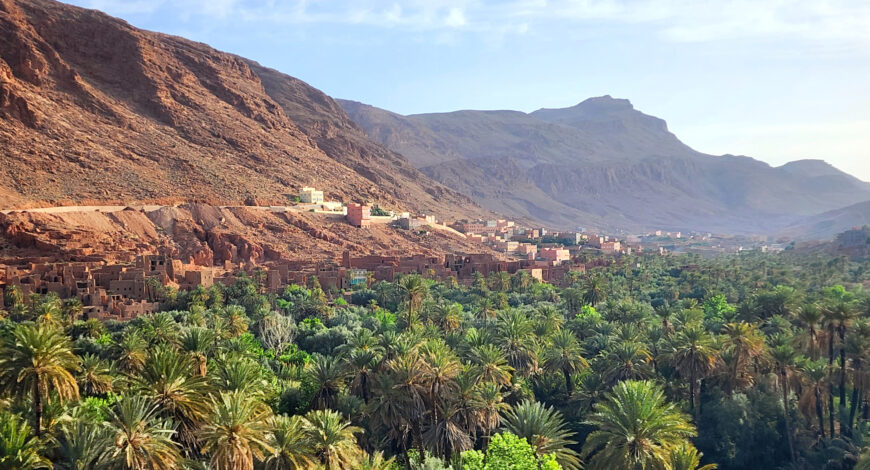
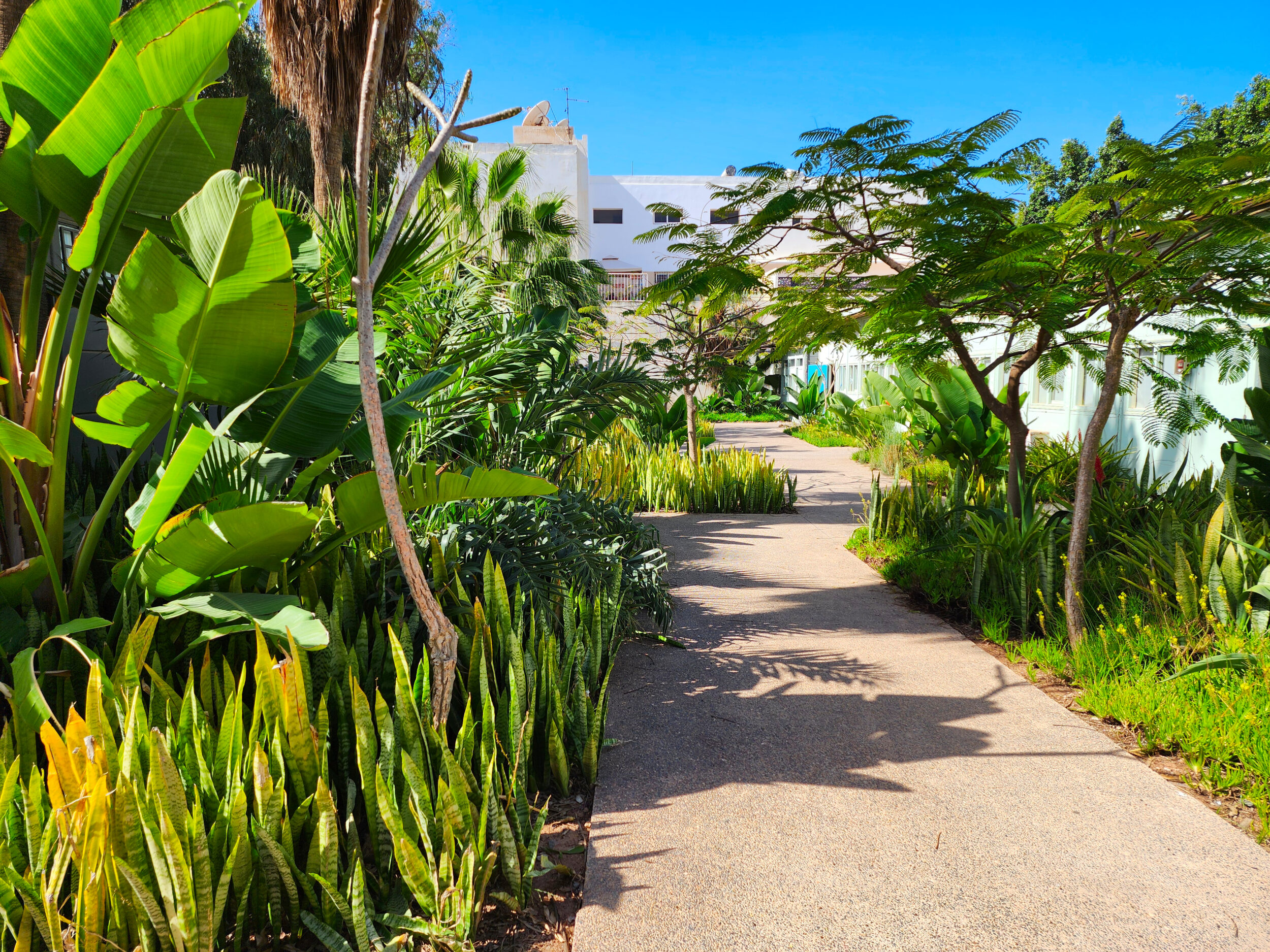
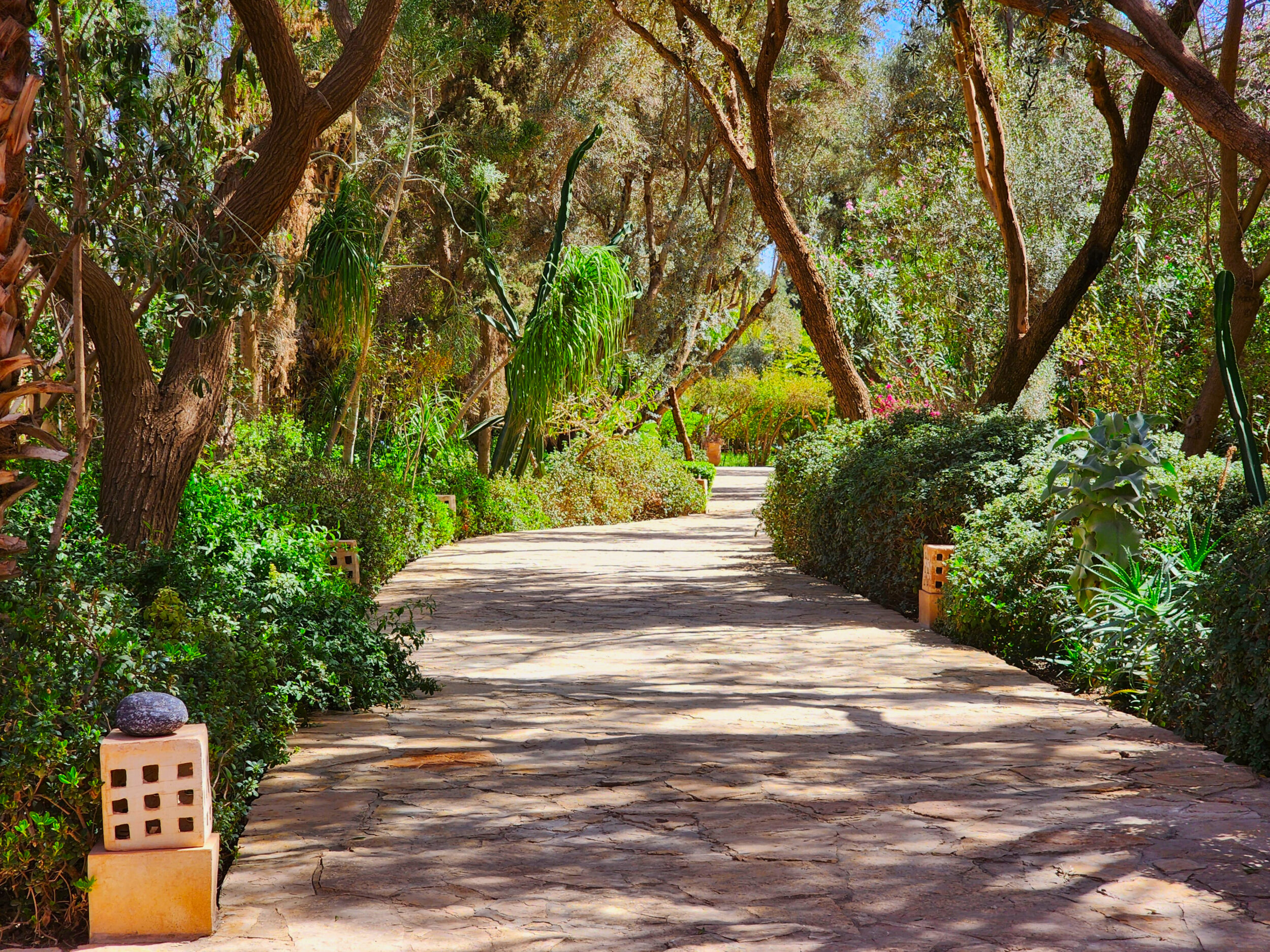
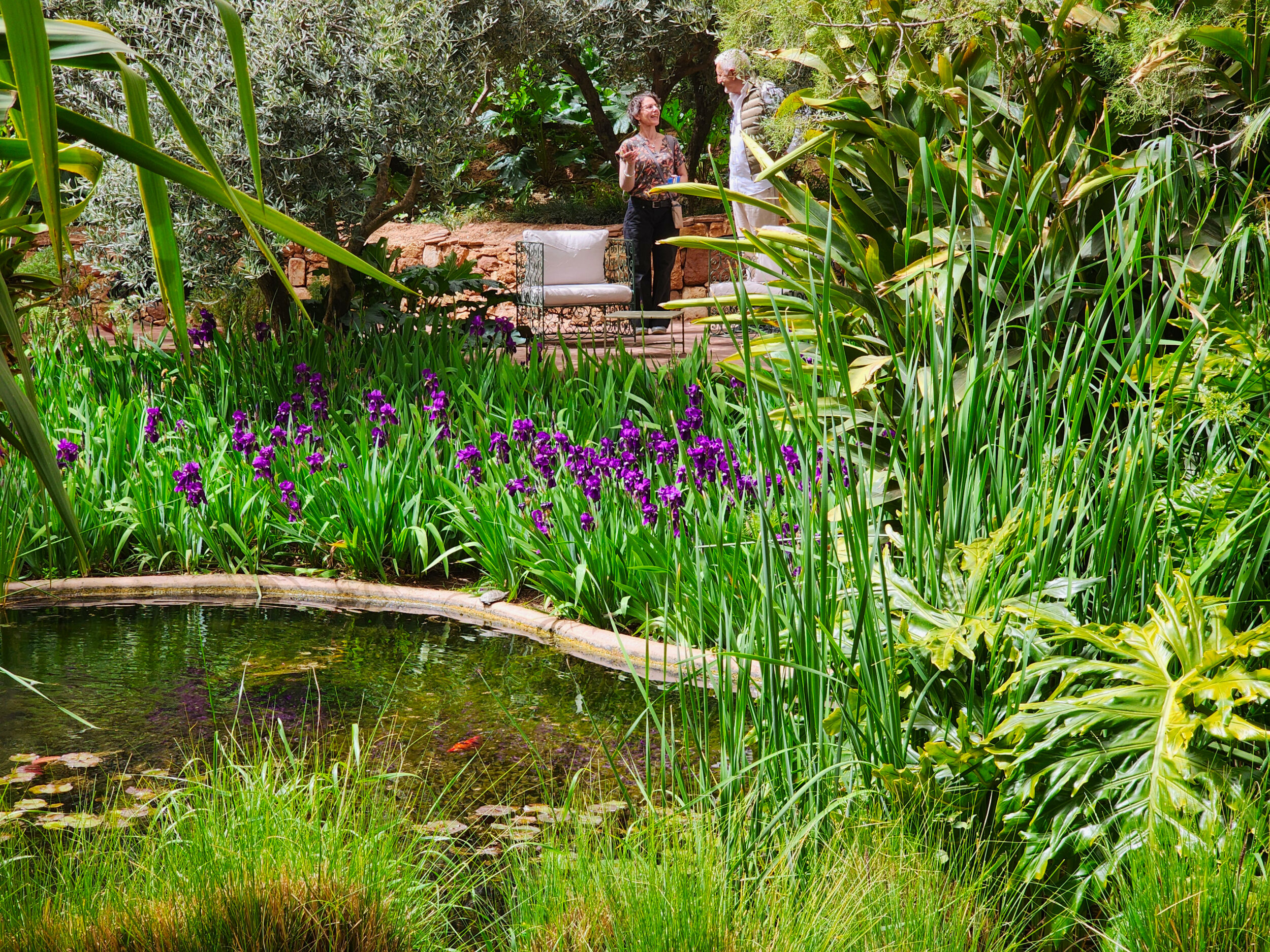
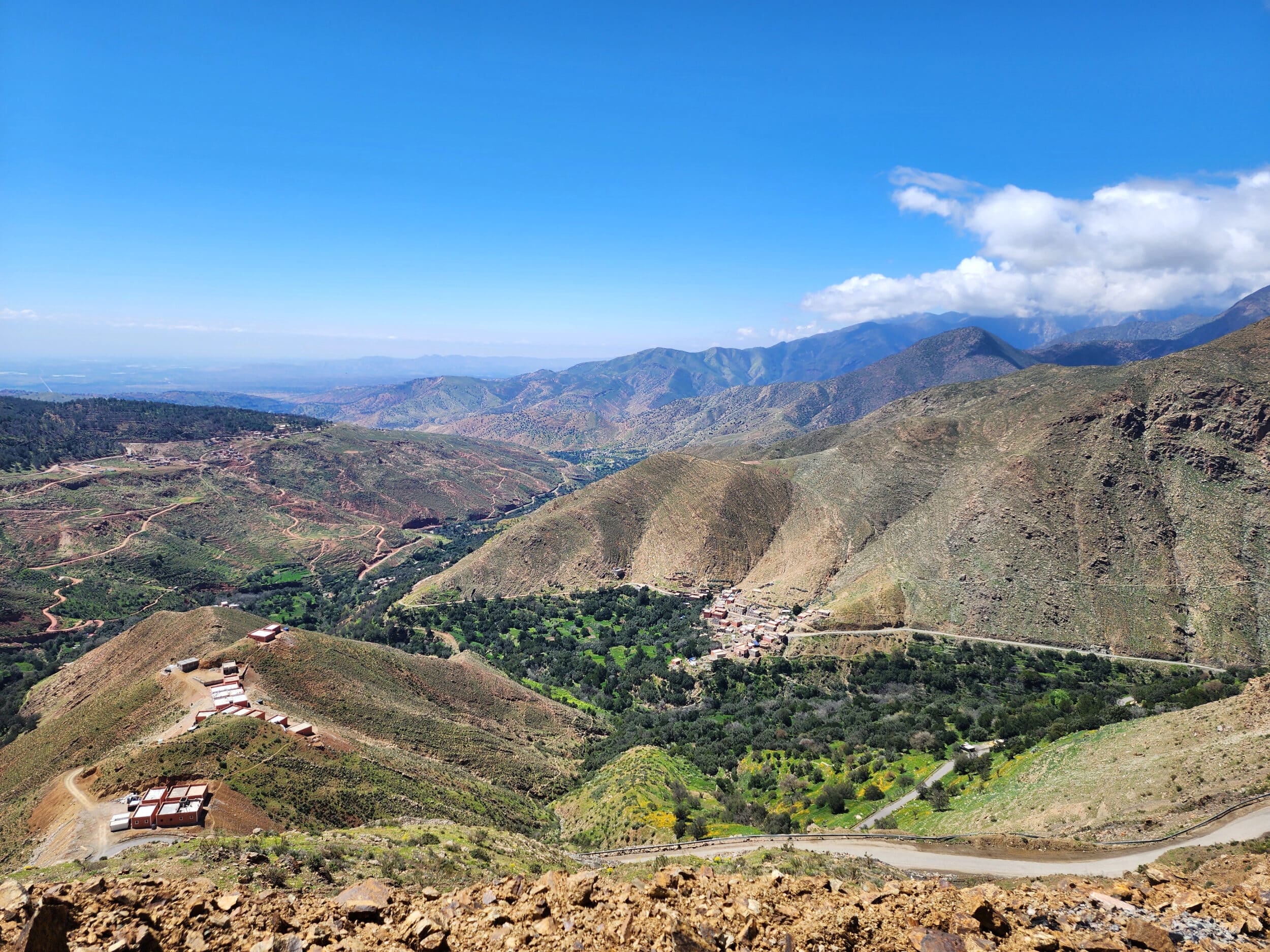
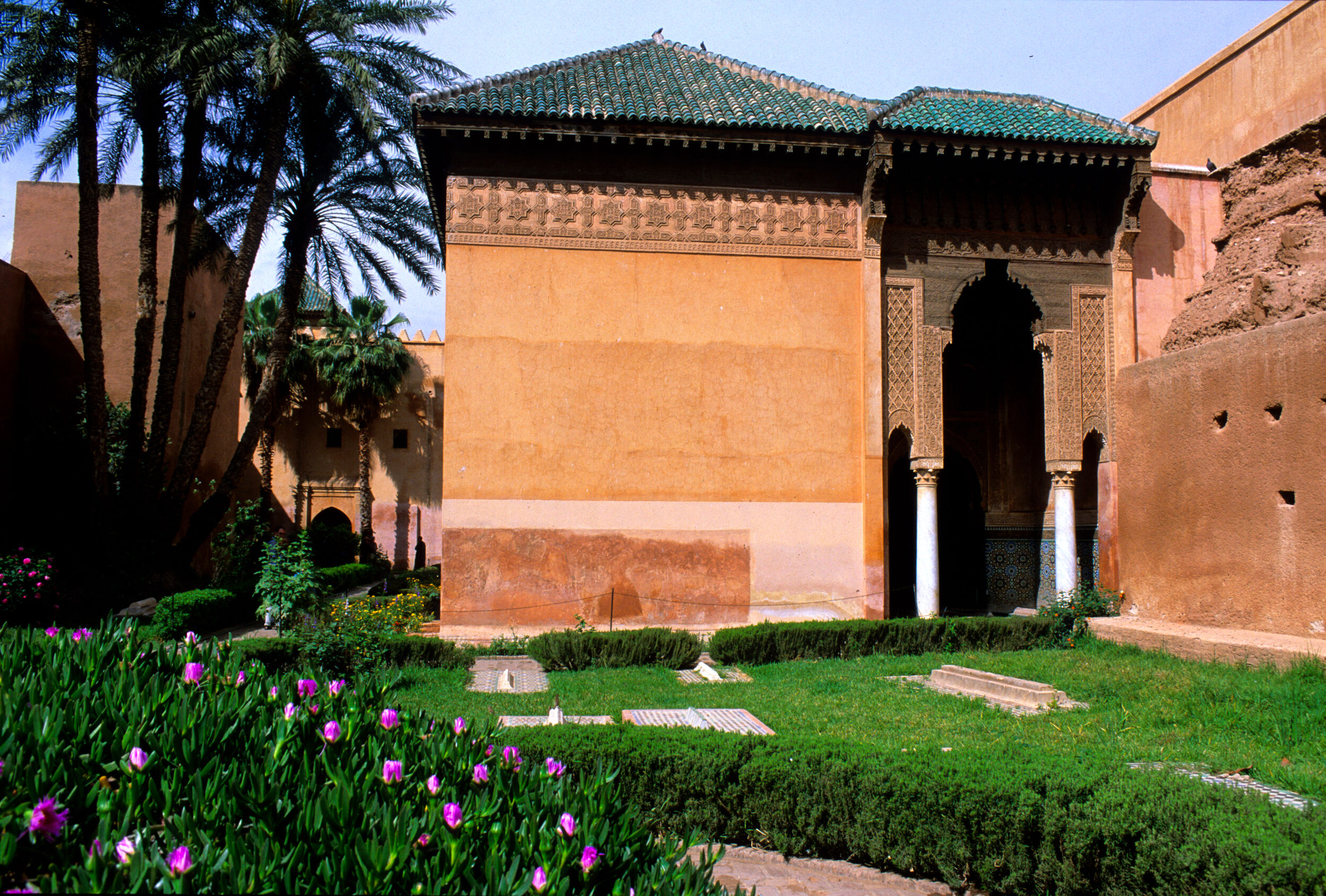
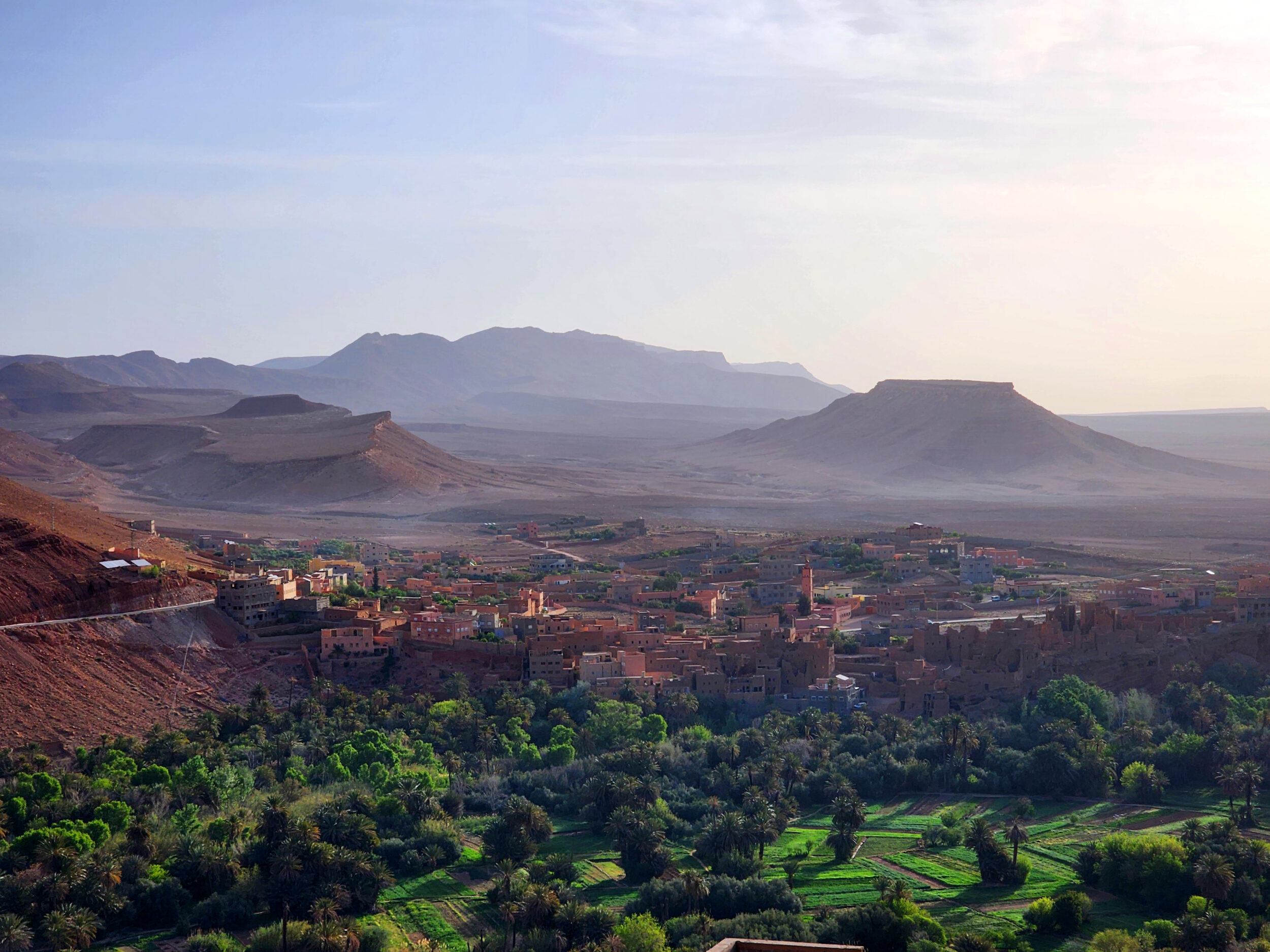
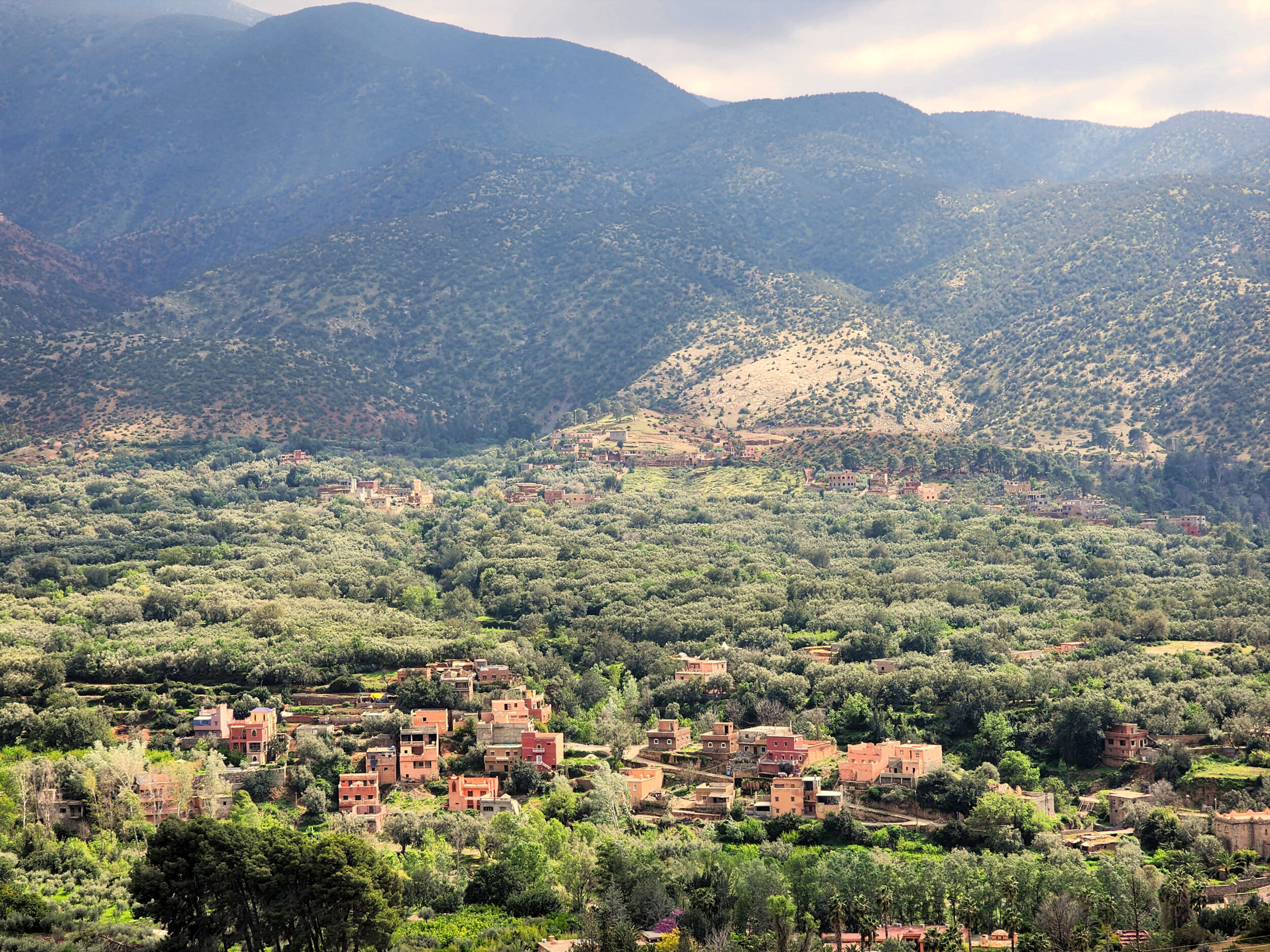
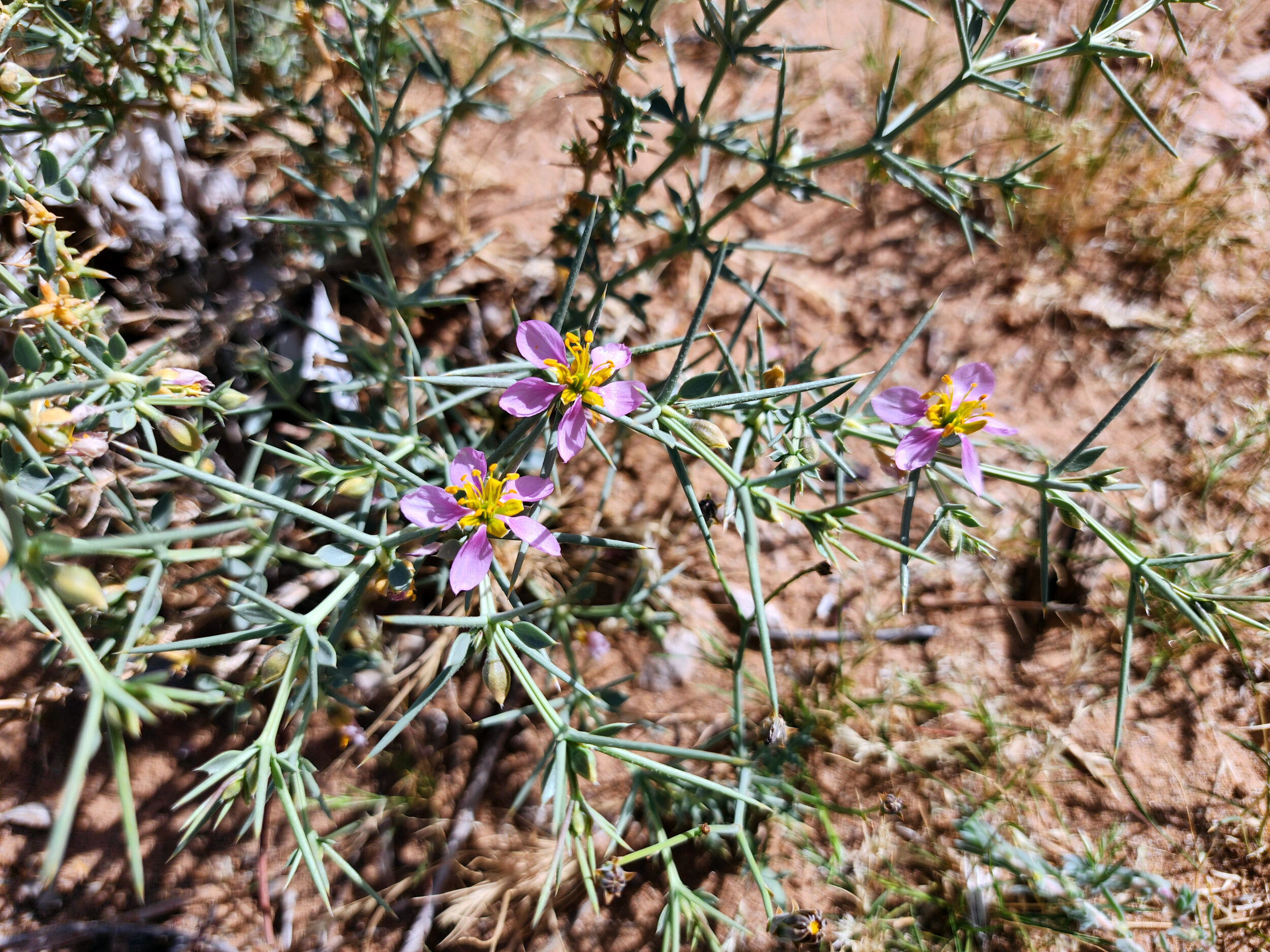
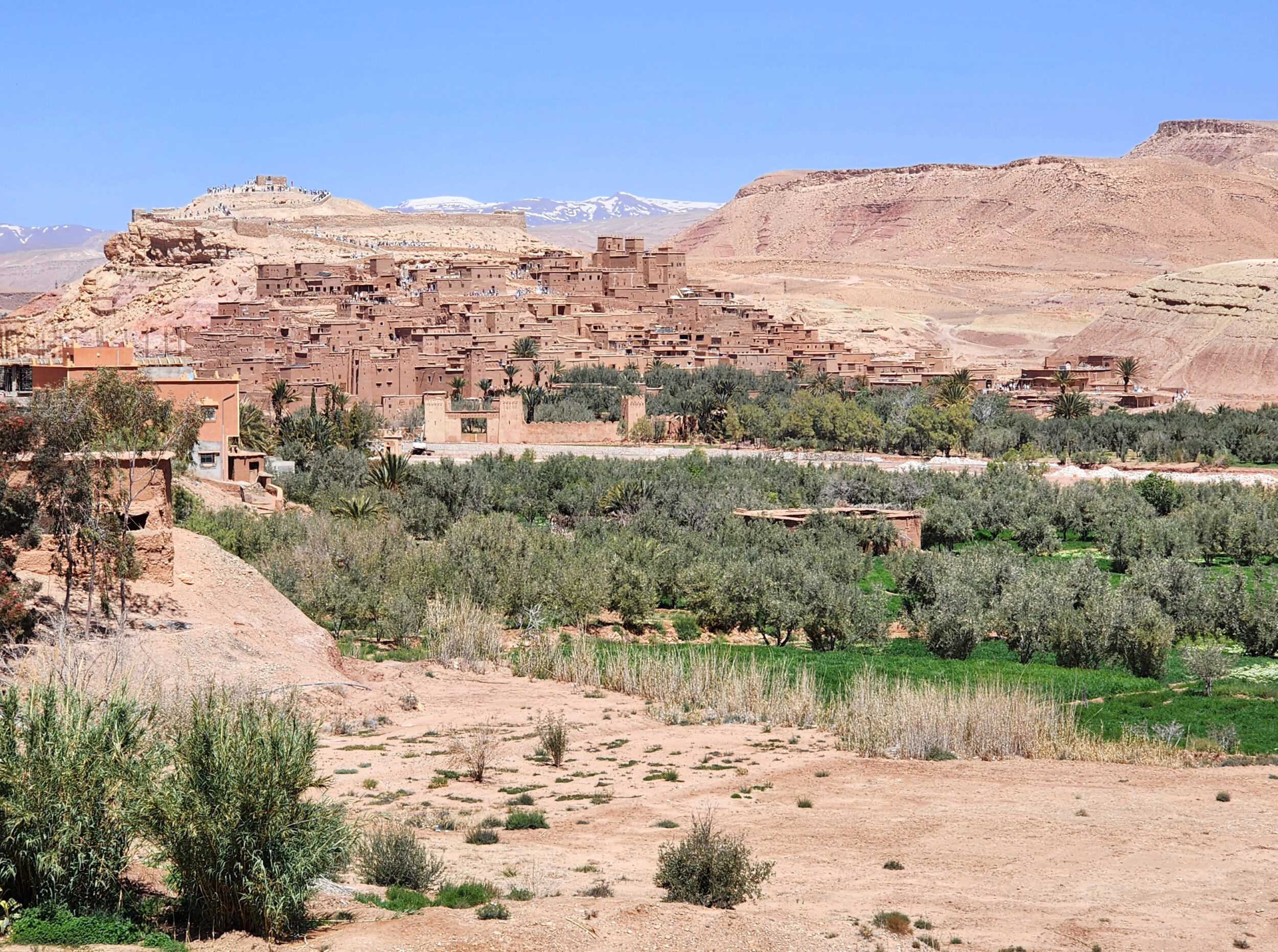
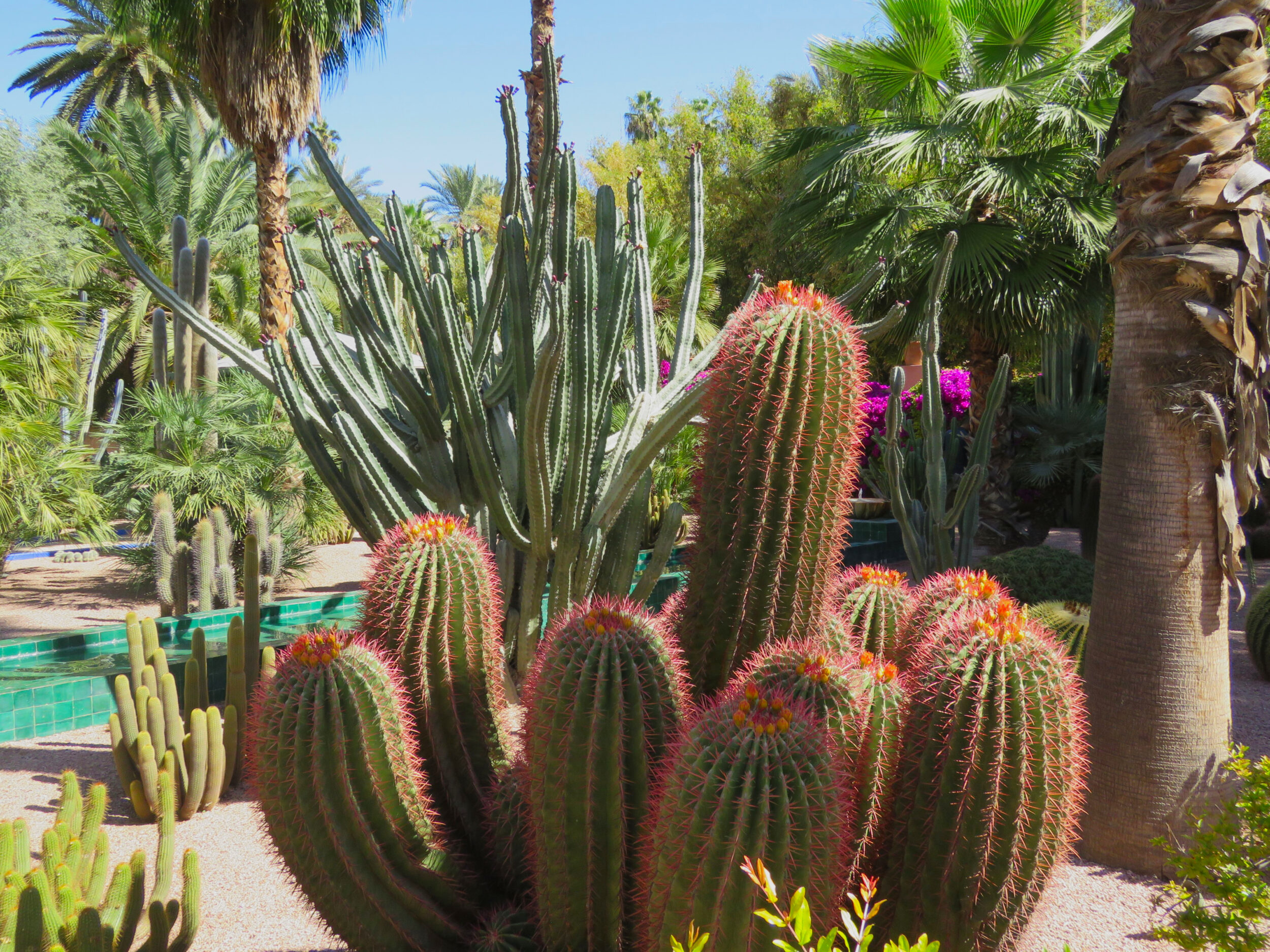
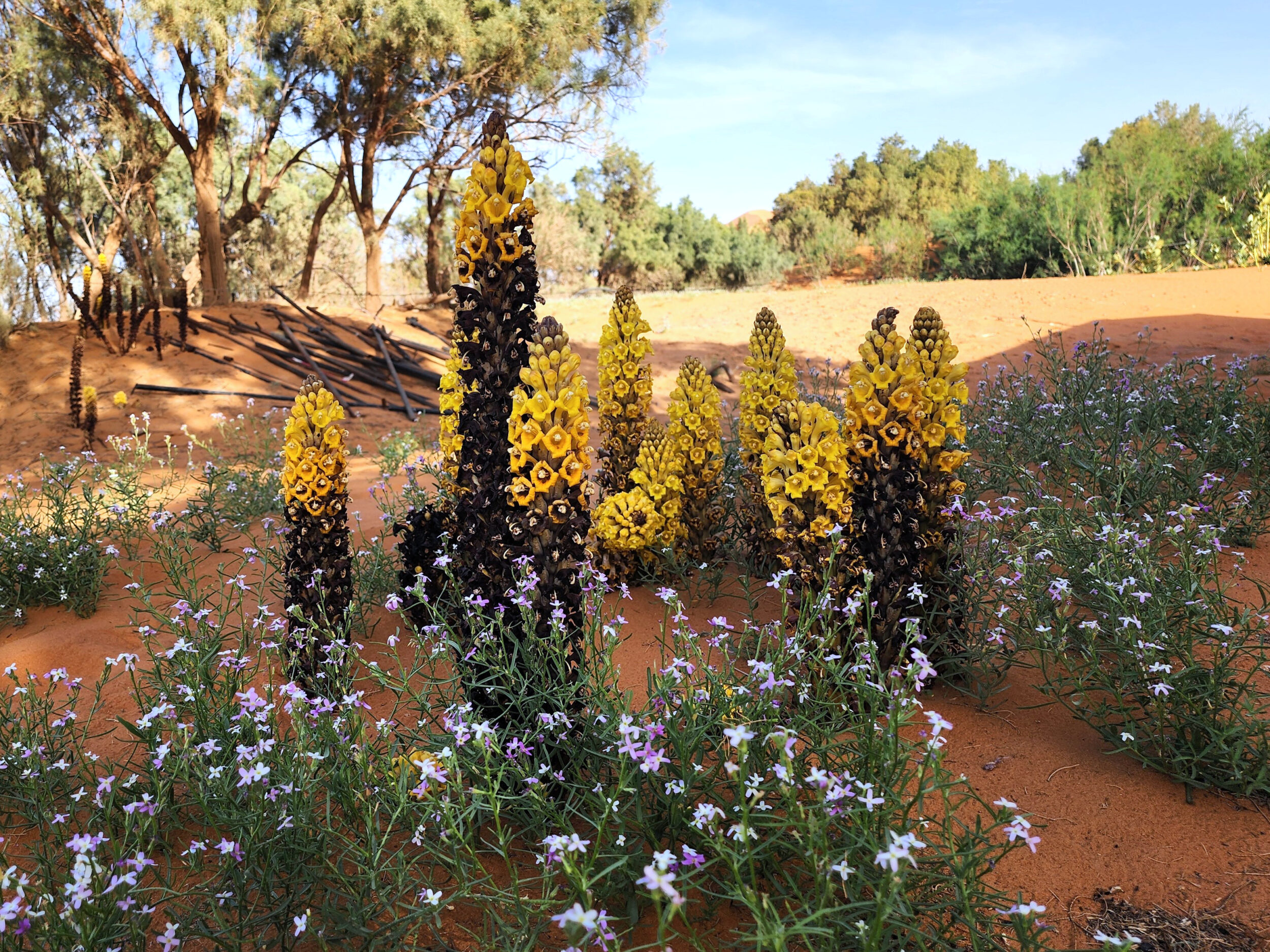
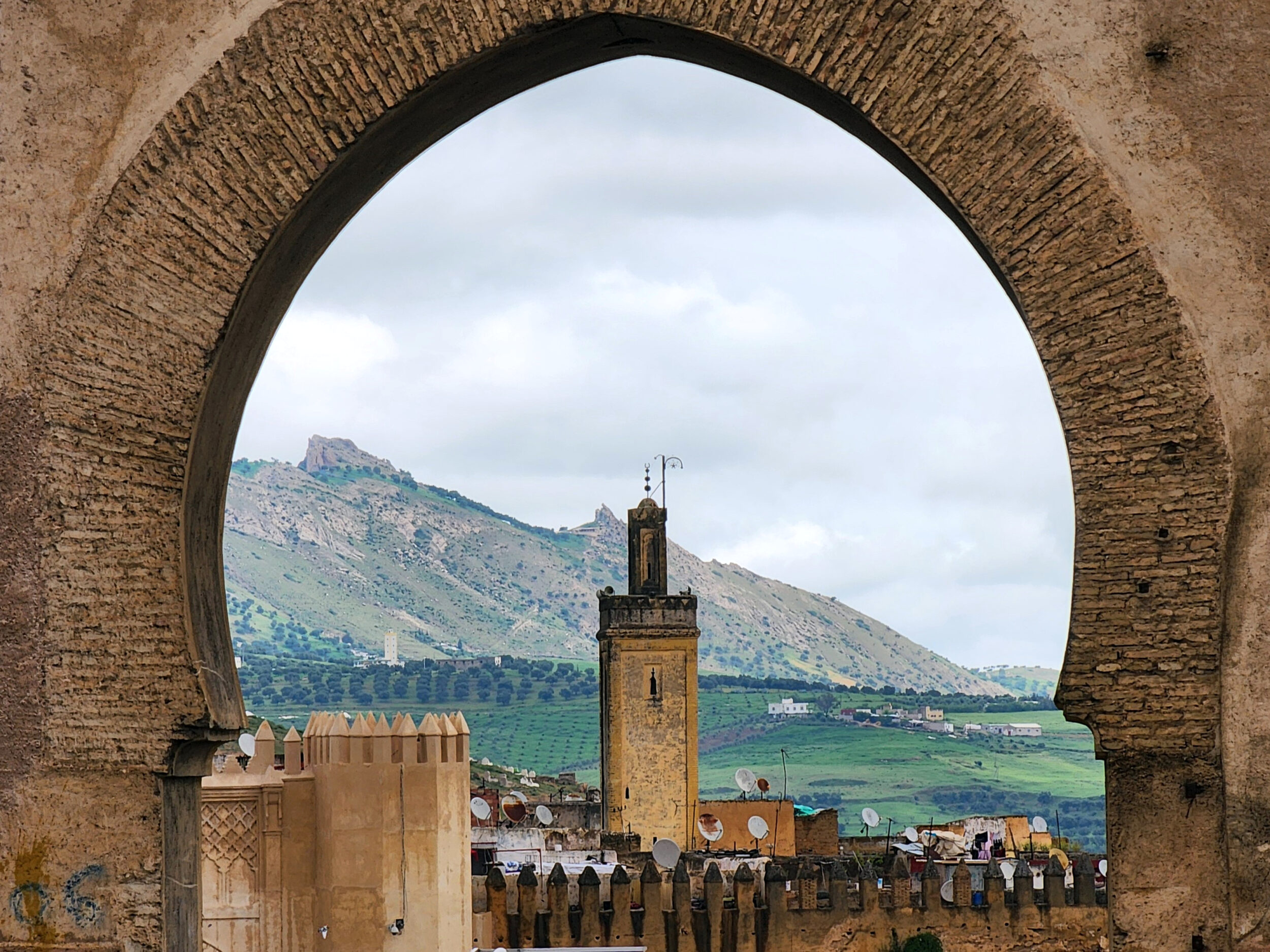
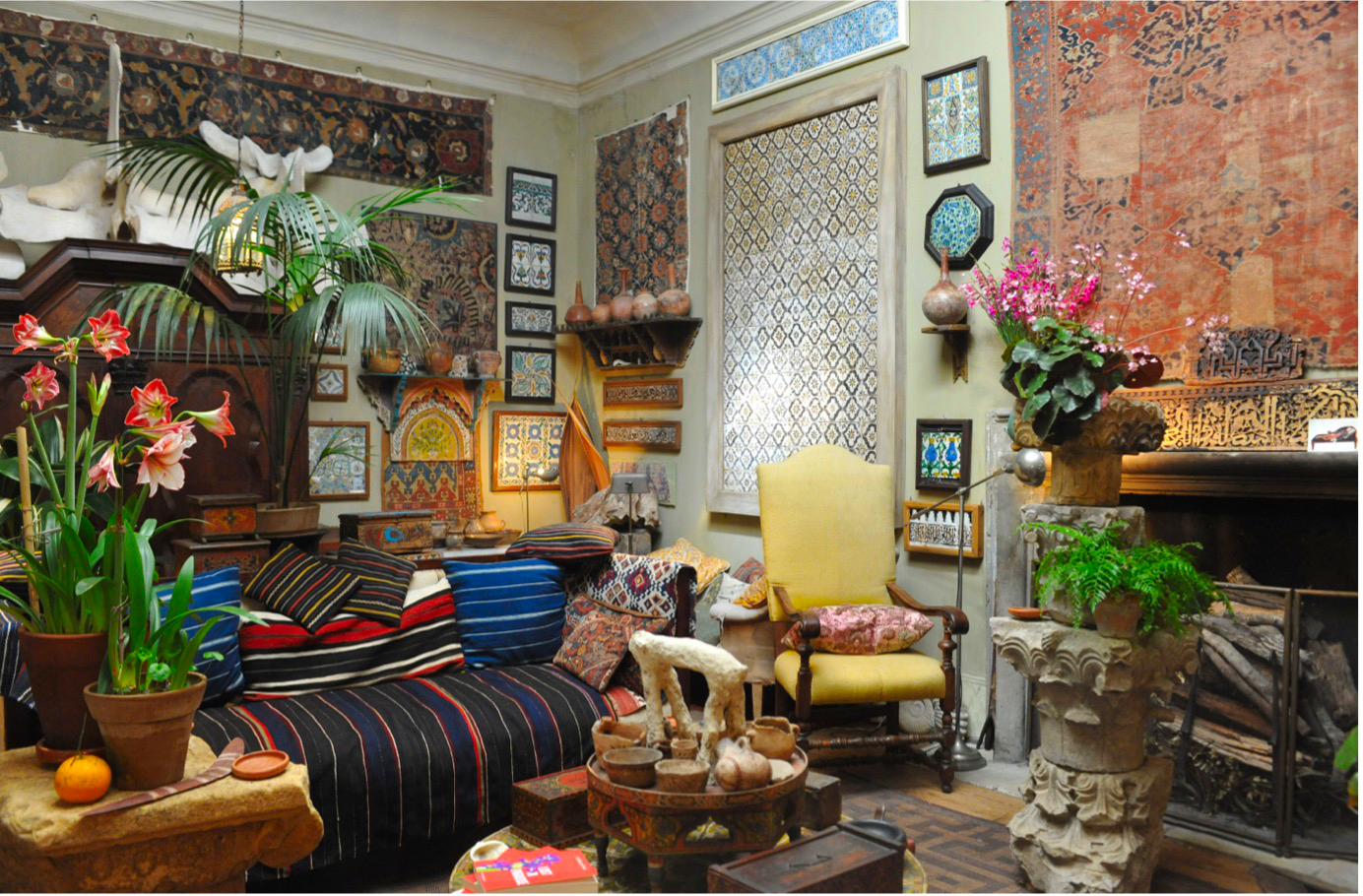
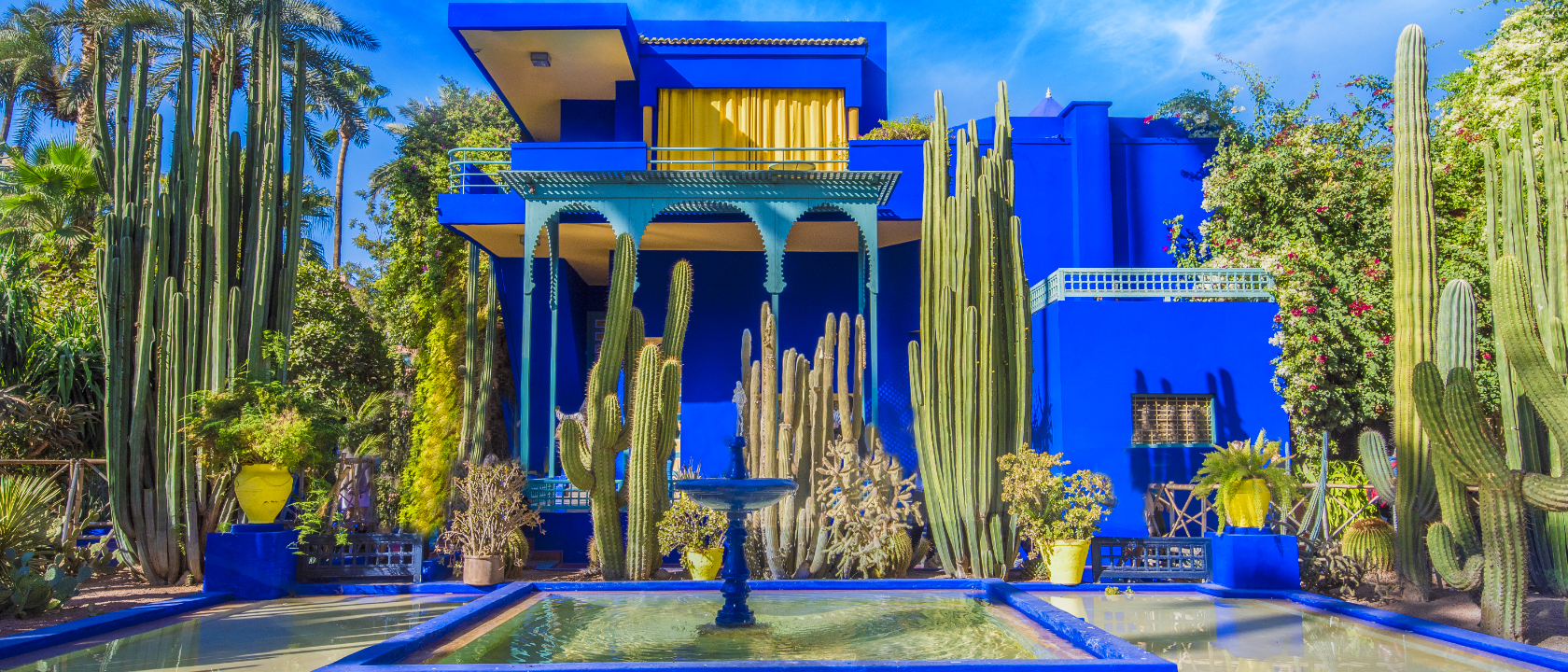
Sanseveria as ground cover, Agadir, MoroccoLa Tour des Faucons (The Falcon’s Villa) is located in the countryside outside of Taroudant. Welcomed by Karl Morcher, the owner and designer, we visit his renovated farmhouse and its extensive grounds of palm and olive trees (producing their own organic olive oil) and exotic flower-filled gardens. Credit: Prof. Tim Entwisle.Olinto, Ouirgane, is the creation of Prince Fabrizio Ruspoli Di Poggio Suasa, a Franco-Italian aristocrat and antiques expert. The mountain retreat is set in a former working olive grove – some 35 acres, with 2,000 trees.The grounds of Olinto are redolent with the scent of roses, oleander, and fragrant pines.A view from the Domaine de la Roseraie, Ouirgane, overlooking the Toubkal range. Mt Toubkal is the highest peak in the Atlas Mountains, and in North Africa, at 4167 metres.From Taroudant we journey north following one of the most spectacular routes in Morocco. It winds its way up and then down through the High Atlas, above the beautiful valleys and past isolated villages, eventually reaching the Tizi-n-Test Pass, with its breathtaking views across the Souss Valley to the Anti Atlas.Sultan Ahmed al Mansour constructed the Sa’di Tombs in Marrakech during his rule of Morocco (16th century) as a burial ground for himself and some 200 of his descendants. The most significant chamber in the tombs is the Hall of Twelve Columns. Here rests the Sultan Ahmed el Mansour and his entire family. This chamber has a vaulted roof, Italian marble columns, beautifully decorated cedar doors and carved wooden screens. Inside the inner mausoleum lies Mohammed esh Sheikh, founder of the Sa’di dynasty, as well as the tomb of his mother. The tombs are surrounded by a small garden with richly coloured and scented roses.En route from Tineghir to Tudgha Gorge.En route to Ouirgane, a small village surrounded by stunning greenery, red-earth hills and pine forests.‘Zygophyllum Zilloides’, is a species of flowering plant in the torchwood family Zygophyllaceae, native to the western Sahara desert. Photo taken near Merzouga, which is located on the edge of the Sahara.The Ksar of Ait Ben Haddou: UNESCO World Heritage Site, Morocco is one of the fortified villages under control of the Glawi family in the late 19th and early 20th centuries. Located in the foothills of the High Atlas, Ait Ben Haddu is the most famous lsar in the Ounila Valley, and a striking example of southern Moroccan architecture.Jardin Majorelle, Marrakesh, was created by the French painter Jacques Majorelle (1886-1962) and later owned by Yves Saint Laurent. The garden presents a cacophony of pink bougainvillea, blush-coloured water lilies, and a vast array of cacti. The inner walls are painted a vibrant ‘Majorelle’ blue, named after the garden’s founder.The Roman city of Volubilis was built in the 1st century BC on the site of earlier Prehistoric and Phoenician settlements when Morocco and Algeria were incorporated into the Roman Empire as the client kingdom of Mauretania. The kingdom was ruled by Juba II, the Roman-educated son of its vanquished Berber ruler. Juba II was a classmate of both Octavian and Cleopatra Selene, daughter of Antony and Cleopatra. When Octavian became Augustus, he married Juba II to Cleopatra Selene and made them client rulers of Mauretania. They founded two capitals: Iol Caesarea in Eastern Algeria and Volubilis in Morocco. The wealth of Volubilis was based on local production of grain, olive oil and copper which were exported to the rest of the empire.‘Cistanche Flava’ is a Eurasian and African genus of holoparasitic desert plants in the family Orobanchaceae. They lack chlorophyll and obtain nutrients and water from the host plants whose roots they parasitise. They are often known as desert hyacinths. Photo taken near Merzouga on the edge of the Sahara Desert.Panoramic view from the North Tower, Fes.In the Nouvelle Montagne district of Tangier we visit the stunning residence and garden of Umberto Pasti, a well-known Italian novelist and horticulturalist.

 Spectacular Landscapes, Gardens, Imperial Cities & Kasbahs of Morocco 2027