
Chittorgarh Fort, A Monument to Rajput Bravery
by Em. Prof. Bernard Hoffert
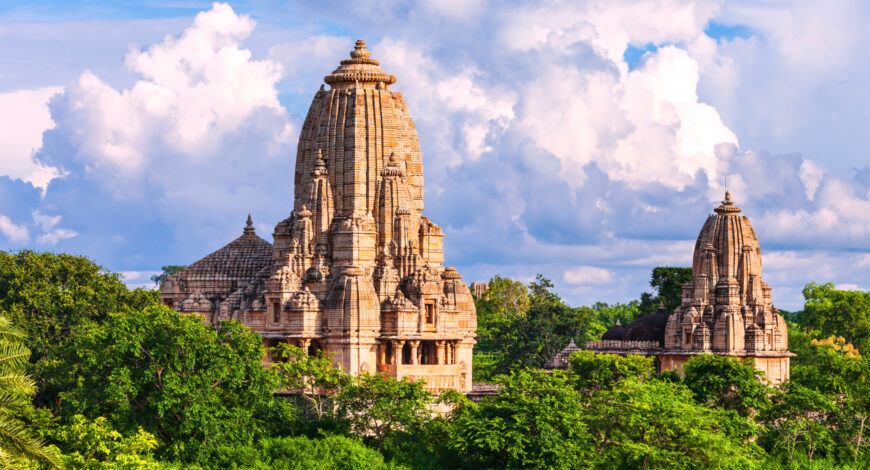
In a land of legends few places feature as dramatically as the great Rajput fort of Chittorgarh. Its history resounds with stories of chivalry and bravery and embodies the ethos of the Rajput code, ‘DEATH BEFORE DISHONOUR’. Situated on a ridge 200 metres above the surrounding plains, it is protected by 4.5-metre-thick walls, meandering for 13 km around its edge, enclosing 280 hectares (692 acres). It is protected by 7 fortified gates studded with iron spikes to guard against battering by elephants. Once the capital of the Sisodia clan of Rajputs, famed for their resistance to the Mughal Empire and celebrated as the longest-ruling dynasty in the world, the fort stands as a monument to bravery. Every battle-scarred building testifies to the tragic history of the fort and confirms its role in the Hindu resistance to Islam. Chittorgarh received a UNESCO World Heritage listing in 2013.
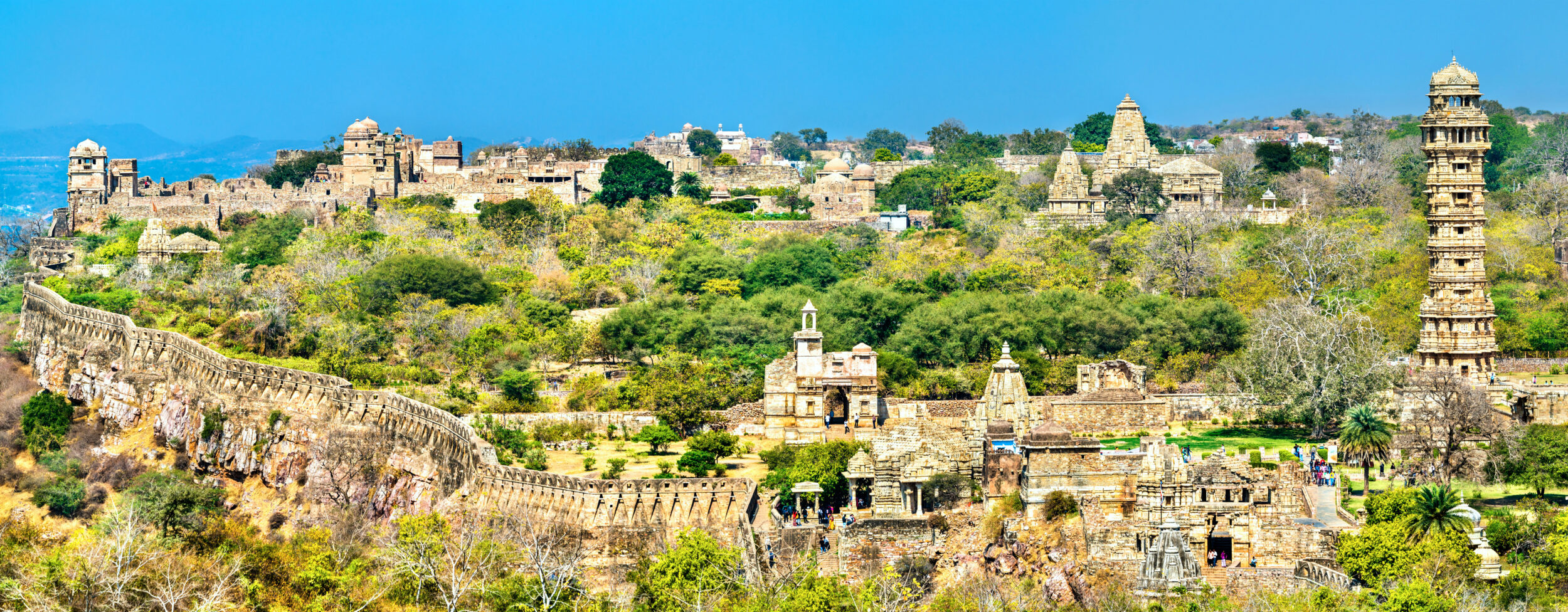
The fort’s origins are largely lost in the mists of history. Probably built by the great Buddhist Empire of the Gupta dynasty, which ruled most of India between the 3rd and 6th centuries, and taken over in the mid-7th century by Chitranga of the Mori rulers descending from the Mauryan dynasty founded by King Asoka and his father in the 4th century BCE. It became the capital of the Sisodia clan of Rajputs in 734 when the first Rana (Maharanas from the 15th century), Bappa Rawal, conquered the fort. The Sisodia Rajputs ruled Chittorgarh as the capital of the Mewar state until the 17th century, when it finally fell to the Mughals.
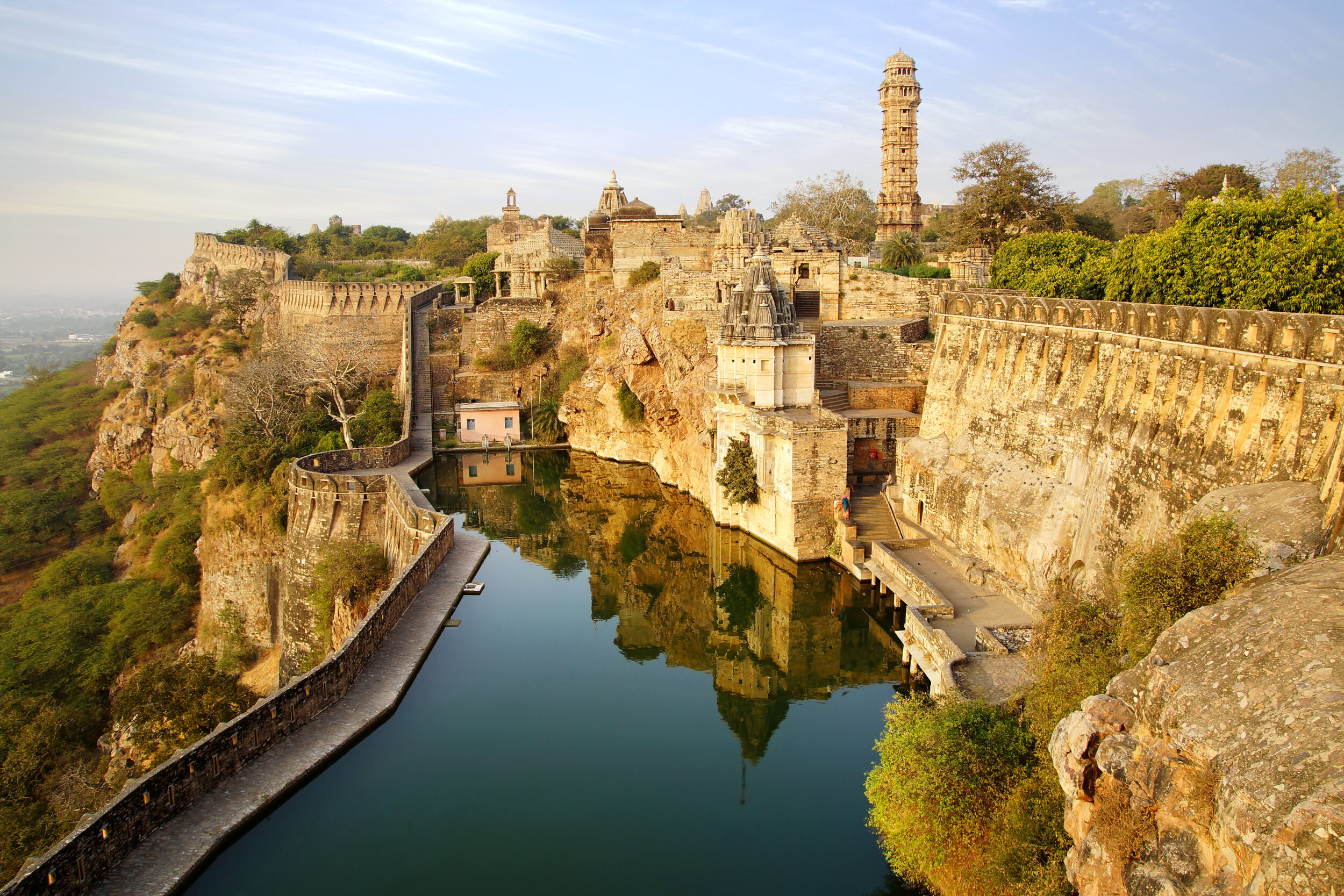
The Sisodia established a powerful position amongst the Rajput clans, and the Rana/Maharana was regarded as the preeminent ruler. It was he who led the combined Rajput forces against the incursions of Islamic rulers from what is now Afghanistan. Chittorgarh became a rallying point for Hindu forces and a symbol of the Rajput ethos of bravery and honour. Successive rulers built temples, palaces, monuments and military barracks, many of which are still largely intact; 60 structures are still spread through the fort. The great palace on the north wall built by Rana Khumba contained structures for his theatre and music, and the dance stage still remains, as do the zenana, or women’s quarters, and his apartments and lookout.
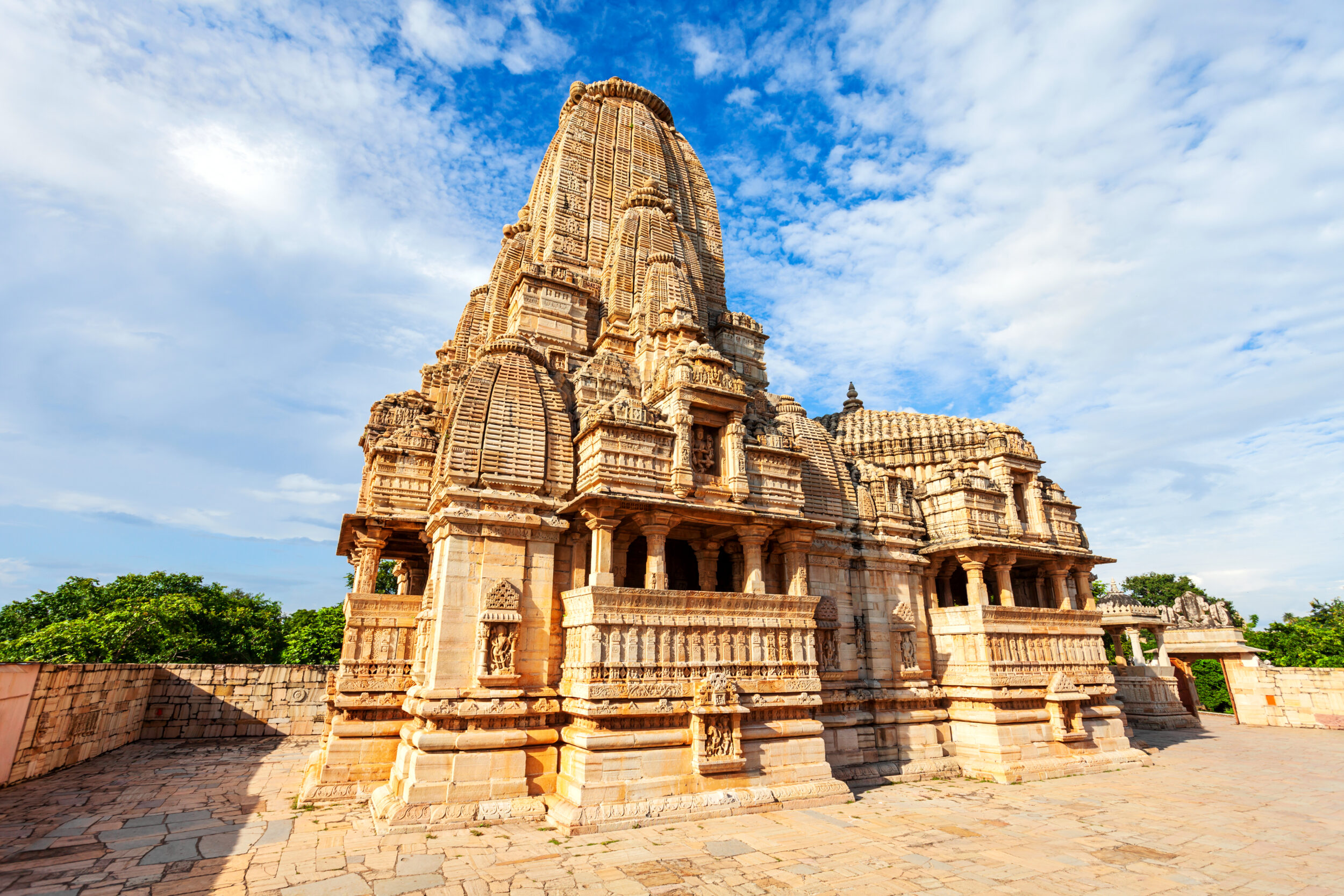
His victory tower still stands 9 storeys tall with wonderful carvings and decorative designs, built to commemorate his victory over the combined forces of Gujarat and Malwa in 1448. Twenty large temples still commemorate the religious life of the fort; one of the most beautiful is the temple to Krishna built by the 16th-century saint Princess Mirabai. The daughter-in-law of the great warrior Rana Sangram Singh (called Rana Sanga), Mira devoted herself to spirituality after the death of her husband, the crown prince Bhojraj, at the battle of Khanwa (1527). She became a disciple of the saint Ravi Das, who visited Chittorgarh in his travels through Rajasthan (then Rajputana). She wrote wonderful poems of devotion to God which are still sung as hymns in India, and her poetry is still in print.
Attack by the Sultanate
Despite the elevated position of the fort, it was taken by Islamic conquerors on 3 occasions. The first was in 1303 when the ruler of the Khilji dynasty of the Delhi Sultanate, Alaudin Khilji, besieged the fort, demanding to see the renowned beauty, Rani Padmini, wife of Rana Rattan. Rajput royalty had adopted the purdah (religious and social practice of female seclusion from males and strangers), so this demand was unacceptable; however, as a compromise, given the threat to the fort, Padmini agreed that Alaudin should visit the fort and view her reflection in a lotus pool. The Sultan visited the fort and saw the reflection, but he then captured her husband, the Rana, offering him in exchange for her. Padmini devised a plan to rescue the Rana, agreeing to come to Alaudin’s camp with her attendants. Several dozen curtained palanquins were prepared, each with 4 armed soldiers, with 4 more carrying each palanquin. On arriving at the camp, the soldiers leapt out and engaged Alaudin’s men, freeing the Rana, but many of the rescuers died in the process.
The Sultan, furious at the deception, was set on taking Chittorgarh and renewed his attack. The fort was unable to hold out after a 4-month siege, and surrender was not an option for the Rajputs. According to Rajput tradition, the children, the old and the infirm were sent from the fort via a secret tunnel. A great fire was prepared, and the Rajput wives, singing hymns of praise to God, threw themselves into the flames, committing Jauhar, in line with the Rajput code of ‘death before dishonour’. The following morning the Rajput men charged down the hill to a certain death, in the Saka, or final battle. It is estimated some 10,000 women and 30,000 men lost their lives. Alaudin entered the fort but was unable to keep it because of attacks against his own territory.
Bahadur Shah Attack
The second siege of Chittorgarh was by the Sultan of Gujarat, Bahadur Shah, in 1534. Recognising that the fort had been weakened by the Battle of Khanwa against the first Mughal emperor, Babur, in 1527, it was an opportunity to take the fort and access the trade routes. He laid siege to the fort, and although the second Mughal emperor, Humayun, the son of Babur, moved to attack his state in Gujarat, he continued with the siege. Rani Karnavati, senior widow of Rana Sanga, recognising the threat to Mewar, called her people to rally to the capital, Chittorgarh, to help repel the Sultan, but even the additional forces were unable to stop the siege, which gradually dragged on into 1535.
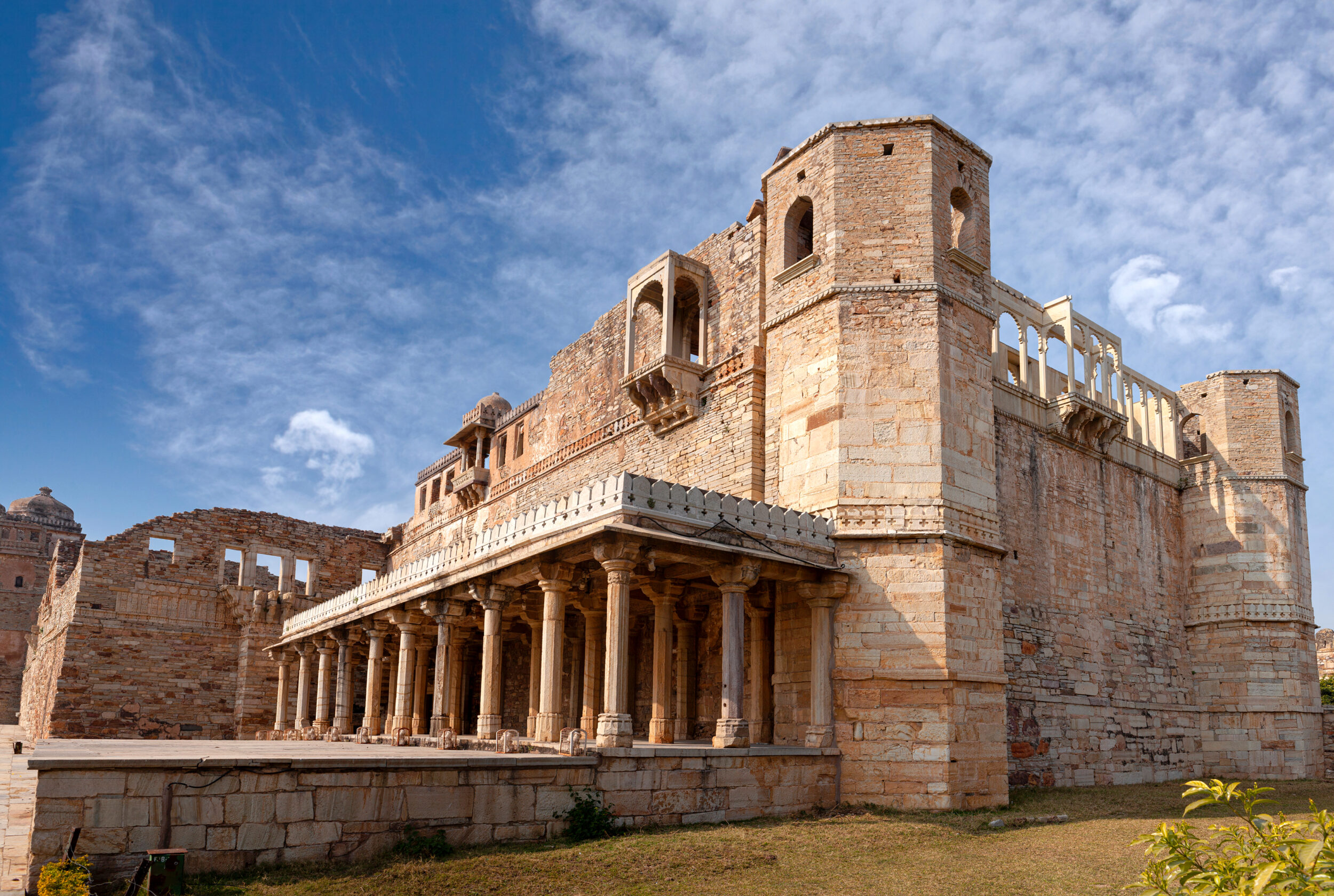
There is a legend that Rani Karnavati had exchanged the rakhi, a string bracelet of friendship signifying one would always help the other, with Emperor Humayan. Day after day she stood at the lookout on top of Rana Khumba’s palace praying for the emperor’s army to appear, but he never came. Eventually, as the end became apparent, the women of the court decided on the Jauhar to preserve their honour, and Rani Karnavati, some say the second wife of Sanga, Rani Jawahirbai, donned armour and led the Saka, where all were killed. Bahadur Shah entered the fort but, because of Humayun’s attack on Gujarat, had to leave.
The Fall of Chittorgarh
The third and final attack on Chittorgarh was made by the third Mughal emperor, Akbar. Humayun died in a fall in 1556, leaving control of the empire to his son Akbar, then only 13. Akbar set about securing an empire which was under threat from many of the Hindu states and expanding its boundaries. The state of Mewar provided a major challenge; it was a bastion of Hinduism, it was an unofficial but influential leader of the Rajput clans, and it had continued to refuse any alliance with the Mughals. The strategic position of its capital, Chittorgarh, hindered the access to the northern trade routes, and its ongoing independence challenged Akbar’s authority.
In 1567 Akbar attacked Chittorgarh. The defeat by the Mughals at Khanwa in 1527 and the taking of the fort in 1535 by Bahadar Shah had severely depleted the Sisodia resources, but despite this they used their stocks of food and abundant water supplies to hold out against Akbar’s siege, which drew on into 1568. By February it was becoming clear that the fort could not withstand the siege much longer. Akbar had tunnelled close to the walls and was using his cannons to weaken the fabric to force a collapse. The Rana, Udai Singh, was smuggled out of the fort to ensure the family line survived; he eventually established a new capital of Mewar at Udaipur.
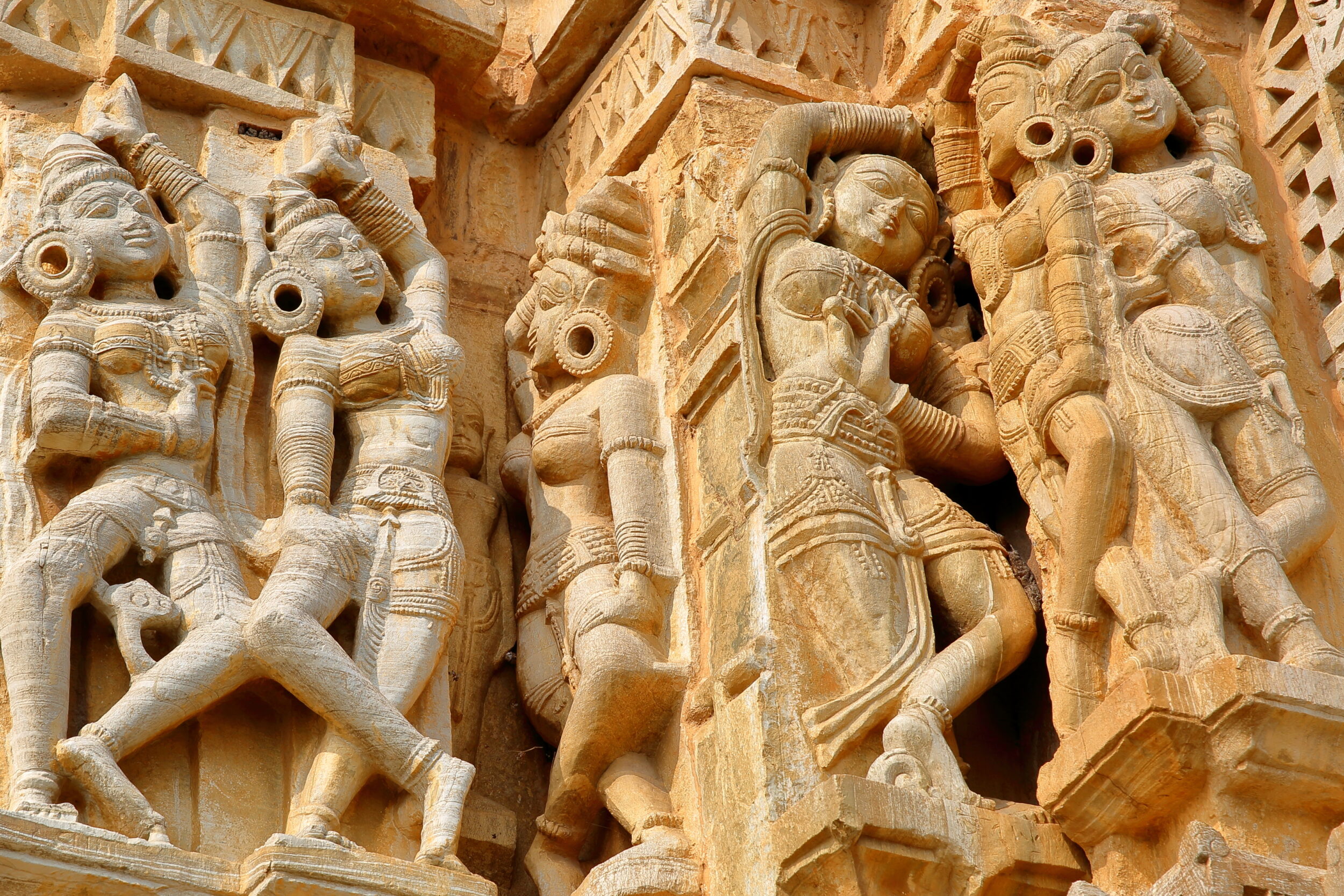
Again, the women of the fort decided the Jauhar was their only chance to preserve their honour from rape and slavery, so the fire was prepared. A huge pile of logs fuelled with ghee was set ablaze below the walkway from Khumba’s palace. On 23 February 1528, they donned their wedding dresses and jewellery and in the evening light walked slowly from the palace beside the north wall above Akbar’s camp, chanting hymns and prayers of praise as they leaped into the inferno. The vivid glow in the darkening sky puzzled the Mughals as the smoke filtered upon them and the screams silenced their guns. The imagery is recorded in the miniatures Akbar used to record his campaign. It is estimated 8,000 women met their death by immolation. The following morning the Rajput warriors donned their saffron robes, smeared the ashes of their wives across their foreheads and descended in the Saka to die in battle. After the battle, Akbar entered the city and slaughtered 30,000 civilians, craftspeople, workers and retainers and sent their heads to be displayed throughout Mewar. The women and children were sold into slavery.
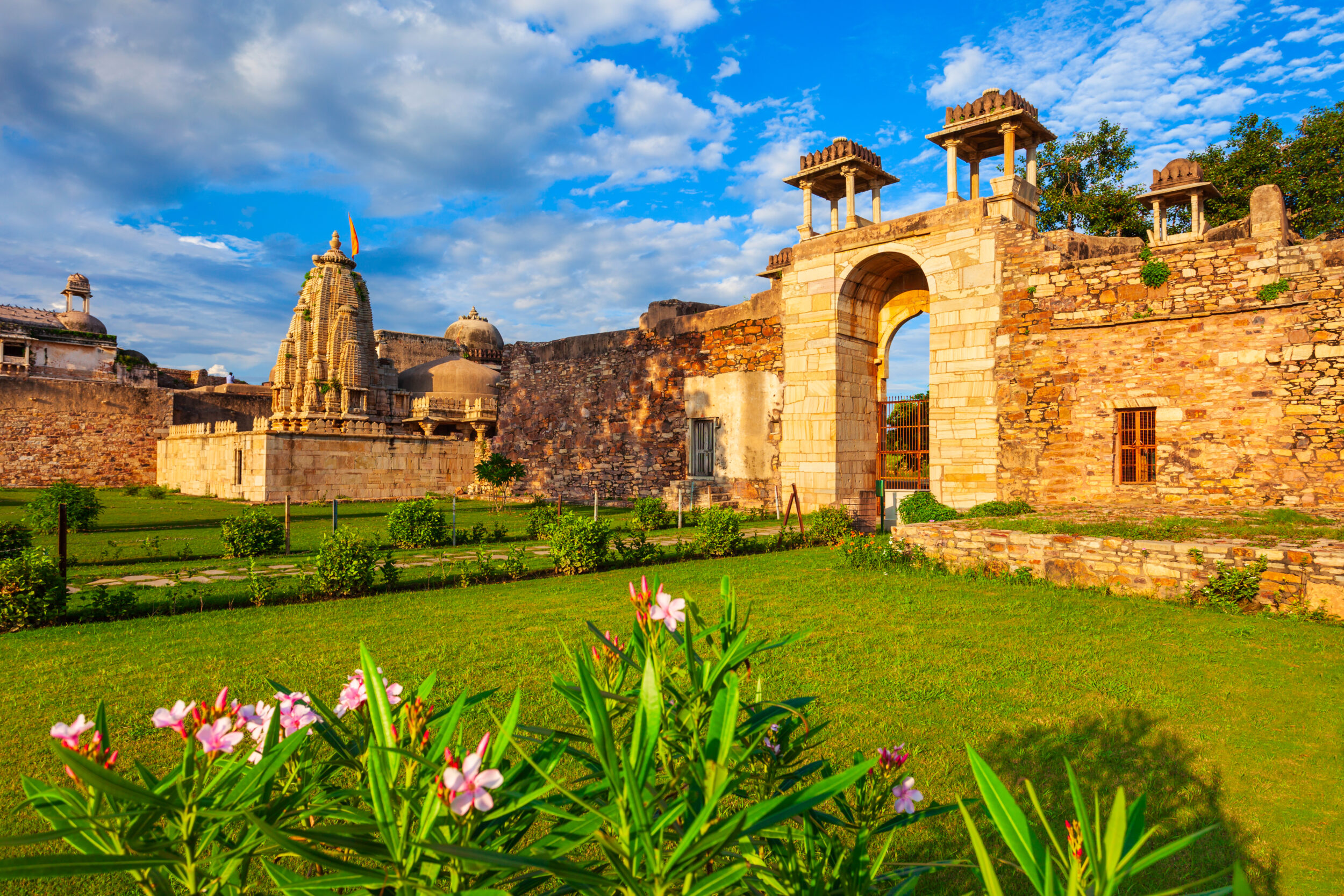
After the massacre, Chittorgarh was never rebuilt but left as a monument to the bravery and heroism of the Sisodia clan and the Rajput ethos generally. In recent times a few of the villages have been reoccupied, and many of the great buildings have been restored. Today one can wander through the temples and palace, the towers and walls, and sense the past. The vivid presence of history emanates from each step, and the great fort of Chittorgarh stands as a monument to valour and bravery, resounding with the Rajput code, ‘DEATH BEFORE DISHONOUR’.
Professor Bernard Hoffert, former World President of the International Association of Art-UNESCO, leads this tour to North India, visiting three princely capitals in the heartland of the Mughal Empire – Delhi, Agra and Fatehpur Sikri – and a number of great Rajput fortress cities in Rajasthan. It explores the fusion of Hindu and Islamic cultures at Mughal monuments such as Agra’s Red Fort, Shah Jahan’s exquisite Taj Mahal, and Akbar the Great’s Fatehpur Sikri.
 Mughals, Rajputs & Villages: The Cultural Heritage of North India 2027