
Discover the Cultural Treasures of Cyprus
By Dr Christopher Gribbin
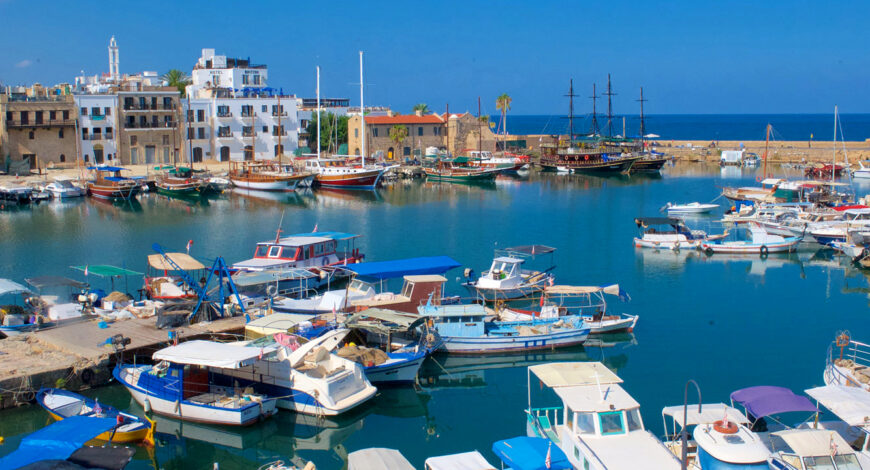
Nestled strategically in the eastern Mediterranean, Cyprus has long been a coveted prize for expanding empires. For over 2,000 years, the island was dominated by the Assyrians, Persians, Greeks, Romans, Byzantines, Venetians, Ottomans and British, as well as the French Lusignan dynasty. Each of these civilizations left behind remarkable traces, making Cyprus a living museum where different cultures are mixed together.
Ancient Cities of the Greeks and Romans
During the ancient Greek period, Cyprus was divided into multiple independent kingdoms. Eventually, two cities came to dominate – Paphos in the west and Salamis in the east. Today, both offer extraordinary glimpses into the island’s Greek and Roman past. The original settlement of Paphos is now called Palaipaphos or “Old Paphos”. It includes a sanctuary from the Bronze Age, founded around 1200 BC. This sanctuary, dedicated to Aphrodite, became one of the most sacred sites in the ancient world. Visitors can still see parts of the original sanctuary, later Roman additions and the enigmatic black conical stone, known as the baetyl, which was once the focus of worship.
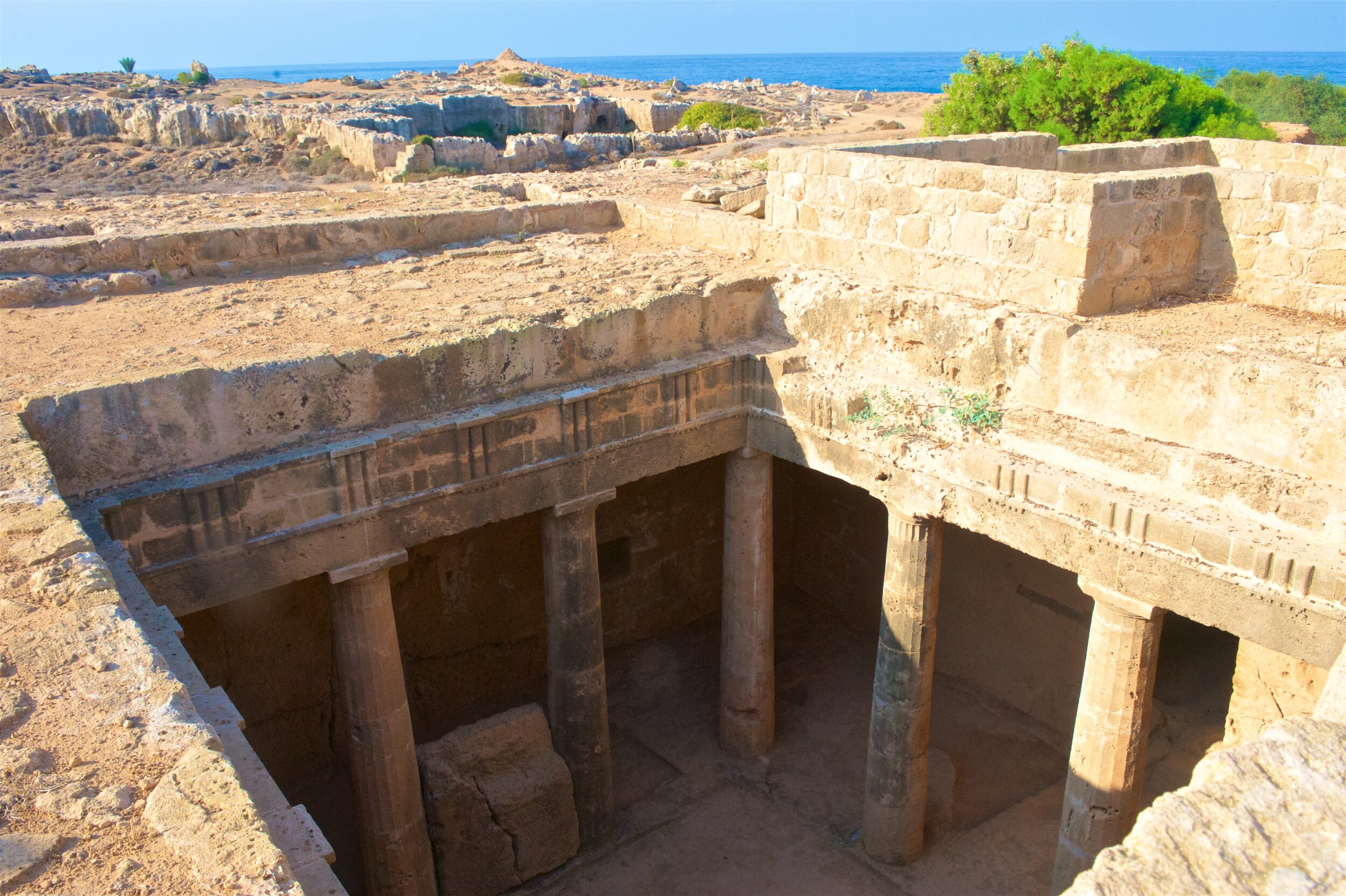
In the fourth century BC, Nea Paphos (“New Paphos”) was founded a short distance from Palaipaphos. Nea Paphos flourished as the capital of Cyprus during the Hellenistic era and most of the Roman period. The city boasts impressive ruins, including grand villas adorned with breathtaking mosaics. The intricate designs depict mythological scenes and reflect the wealth and sophistication of the city’s élite. The site also features a vast agora (public square), a covered theatre and a sanctuary dedicated to Asclepios, the god of healing.
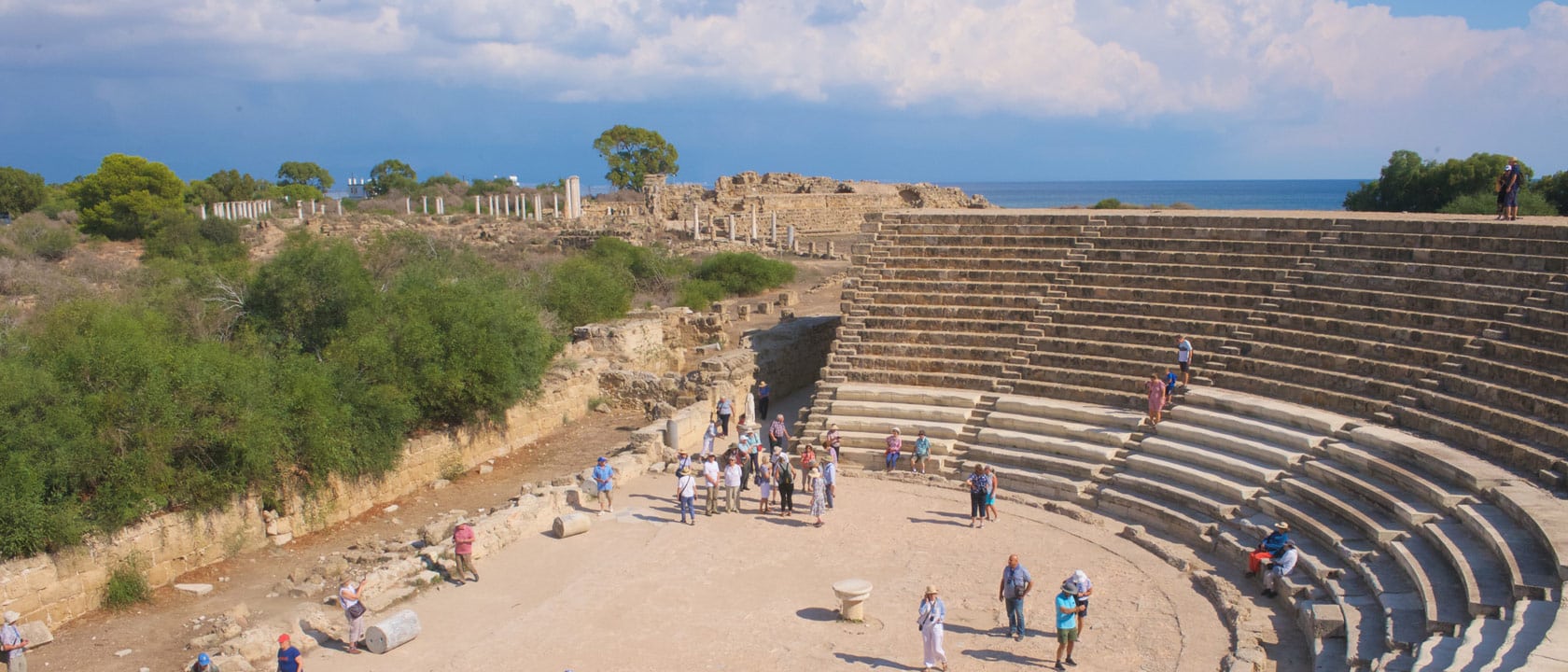
On the east coast, Salamis was another thriving metropolis of the ancient world. It became the island’s capital in the 4th century AD, and many of its Roman-era structures remain remarkably intact. Visitors can walk through its vast gymnasium, where marble columns and statues frame an open exercise courtyard, and explore the adjacent bath complex, which features an advanced underfloor heating system. The partially restored open-air theatre, which once seated 15,000 spectators, offers a powerful connection to the island’s cultural heritage.
Enchanting Byzantine and Gothic Churches
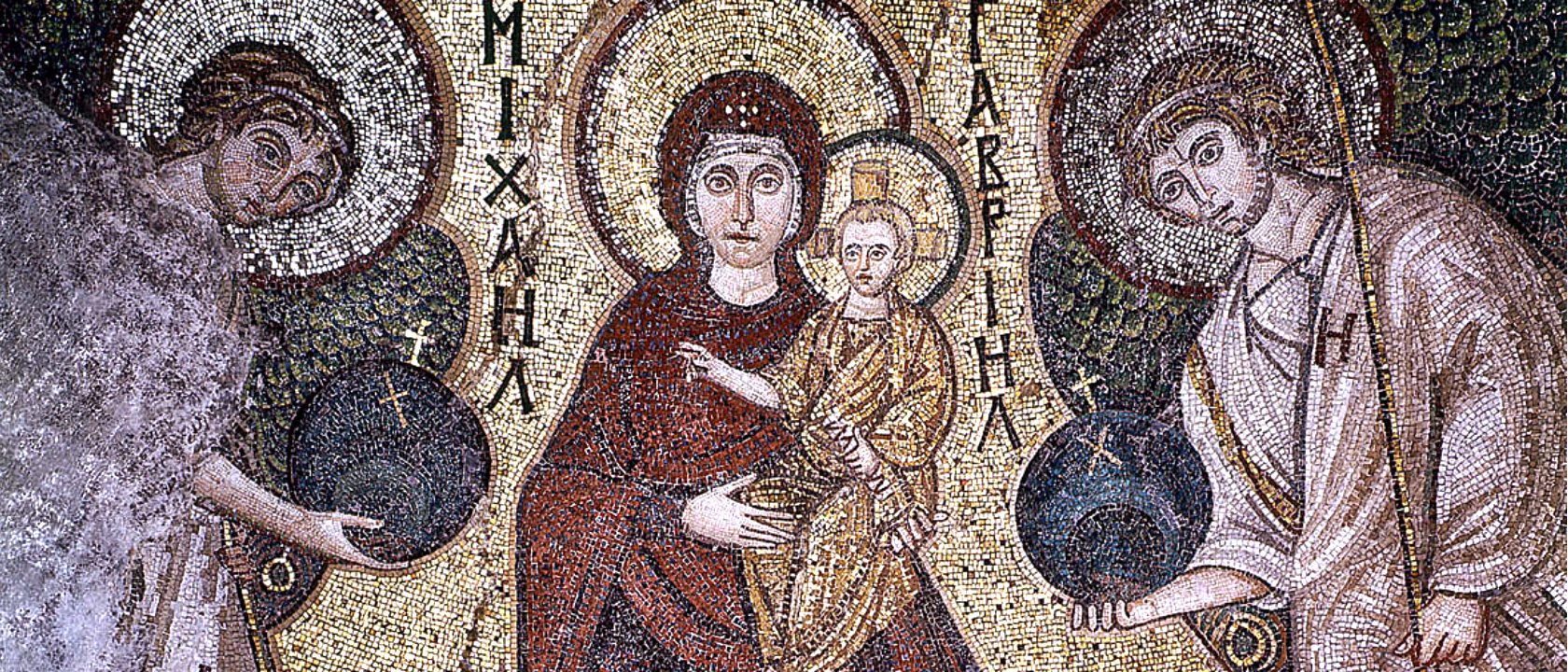
Cyprus has a long tradition of richly decorated churches dating back to the 4th century. One of the most striking examples is Panayia Angeloktisti. According to legend, the church was built by angels. It houses an exquisite 6th-century mosaic featuring Mary and the infant Christ, flanked by two angels against a shimmering gold background. They are surrounded by an intricate mosaic border featuring colourful depictions of animals, fountains and flourishing vegetation.
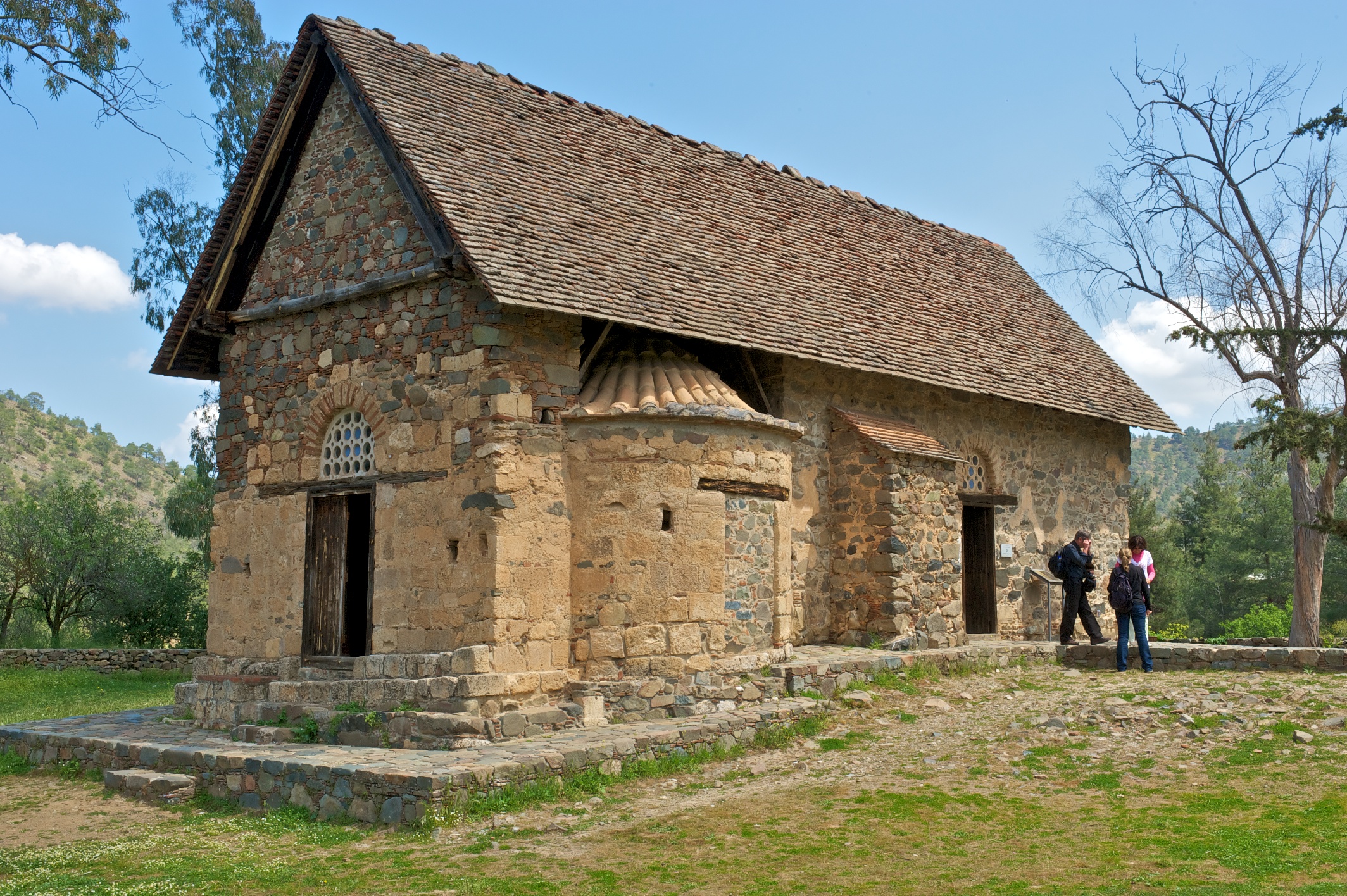
Many small churches built between the 11th and 16th centuries are dotted throughout the wooded Troödos Mountains. Ten of these churches have been added to the UNESCO World Heritage List. Some of these hidden gems are adorned with vivid frescoes covering every wall and ceiling. The paintings are in the Byzantine tradition, but often reflect influences from western Europe and distinct Cypriot elements. The mixture of various artistic traditions reflects the fascinating history of the island as a meeting place of cultures. The rich painted decoration is often complemented by innovative architectural designs, creating unique and stunning spaces.
The domination of Cyprus by the French Lusignan dynasty in the late Middle Ages saw the construction of large cathedrals in Nicosia and Famagusta. In contrast to the Byzantine traditions of the island, these cathedrals were modelled after the cathedrals of France and built in the Gothic style. These cathedrals were on a massive scale, with the largest being 66m long. Both cathedrals were converted into mosques during the Ottoman period and remain mosques to this day. However, they retain their Gothic design, offering a fascinating contrast between Christian architecture and Islamic practice.
Medieval Castles and Coastal Fortresses
Throughout the Middle Ages, Cyprus was a battleground for competing empires. As a result, castles dot the landscape, each with its own tale of conquest and resistance. One of the most picturesque is Kolossi Castle, built by the Knights Hospitaller after they were expelled from the Holy Land. This well preserved stronghold stands three stories high, with imposing halls and stone fireplaces engraved with coats of arms. Around the castle are the remains of sugar processing facilities, once a key industry for the island’s economy.

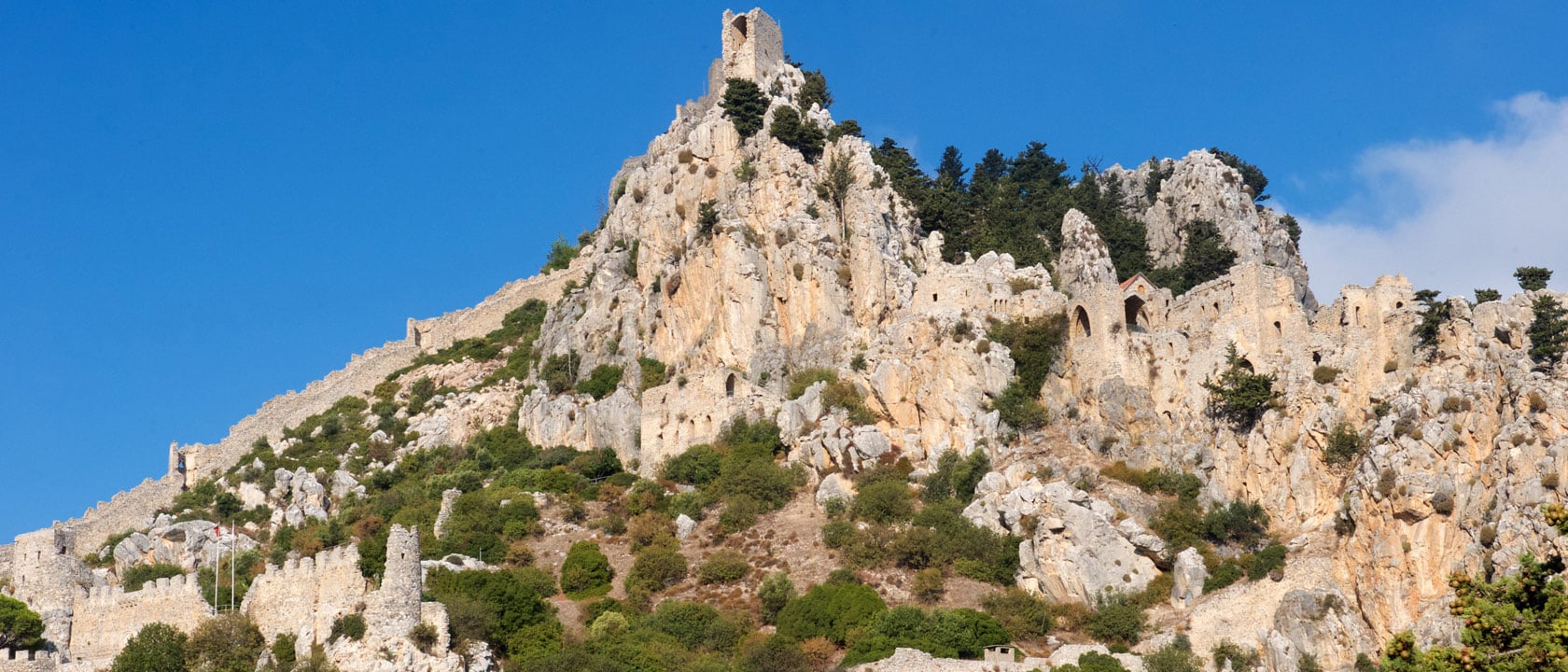
On a much larger scale is the Castle of St Hilarion. Perched on a rocky outcrop of the Kyrenia Mountains, the castle is spread over three levels, which included living quarters, cisterns, stables and a church. The top level contained the royal apartments, remains of which can still be seen, and offers spectacular views along the north coast of Cyprus.
Many of Cyprus’ coastal towns also boast historic fortresses, once essential for defence. Often these have long histories, starting in the Byzantine period and being remodelled multiple times by later rulers. Some of these now contain museums, like Kyrenia Castle, which displays the amazingly preserved remains of a ship from the 4th century BC that sank off the Cypriot coast in antiquity. Today, these castles stand as picturesque reminders of Cyprus’ turbulent yet fascinating history.
Experience Cyprus for yourself
From ancient ruins and breathtaking mosaics to medieval castles and stunning churches, Cyprus is a treasure trove of cultural wonders. These sites are accompanied by a stunning natural environment and fantastic food, making Cyprus a wonderful place to visit.
Join Dr Christopher Gribbin in 2026 on our tour Cyprus, Kos & Rhodes: Civilisations of the Eastern Mediterranean to experience Cyprus for yourself — an enchanting island where the past and present blend seamlessly!

- View Tours Christopher is currently leading
- Watch his online lecture The Wealthy World of Bronze Age Cyprus
Article images
Port of Kyrenia. Photo by Kristen Hellstrom
Tomb of the Kings, Paphos. Photo by Kristen Hellstrom
Ancient Salamis Archaeological Site, North Cyprus. Photo by Kristen Hellstrom
Church of Panagia Angeloktistos – Mosaic of of Virgin and Christ Child flanked by Archangels Michael and Gabriel by Byzantine Institute staff, CC0, via Wikimedia Commons
Panagia Forviotissa, also known as Panagia Asinou, is a 12th-century church dedicated to the Virgin Mary, located in the Troodos Mountains. Photo by Kristen Hellstrom
Medieval castle of Kolossi, Cyprus. Photo by Kristen Hellstrom
St Hilarion Castle near Kyrenia. Photo by Kristen hellstrom
These images have been resized for this website.