
Egypt: In the Footsteps of Akhenaten and Nefertiti
by Lucia Gahlin
Partially opened in late 2024, the long-awaited Grand Egyptian Museum (GEM), located near the Pyramids of Giza, is set to fully open in November 2025 and will ultimately display for the first time King Tutankhamun’s entire collection.
But the wonderful historic Egyptian Museum, opened in 1902 in Cairo’s iconic downtown square, is still definitely worth a visit, and one of the main reasons for this is that it houses a superb collection of material relating to the pharaoh Akhenaten and queen Nefertiti. This intriguing royal couple feature heavily on our ASA tour to Egypt as we spend a day at the rarely visited site of their capital Akhetaten, today known as Tell el-Amarna.

Pic 1: Colossal head of statue of Akhenaten, Grand Egyptian Museum, Giza
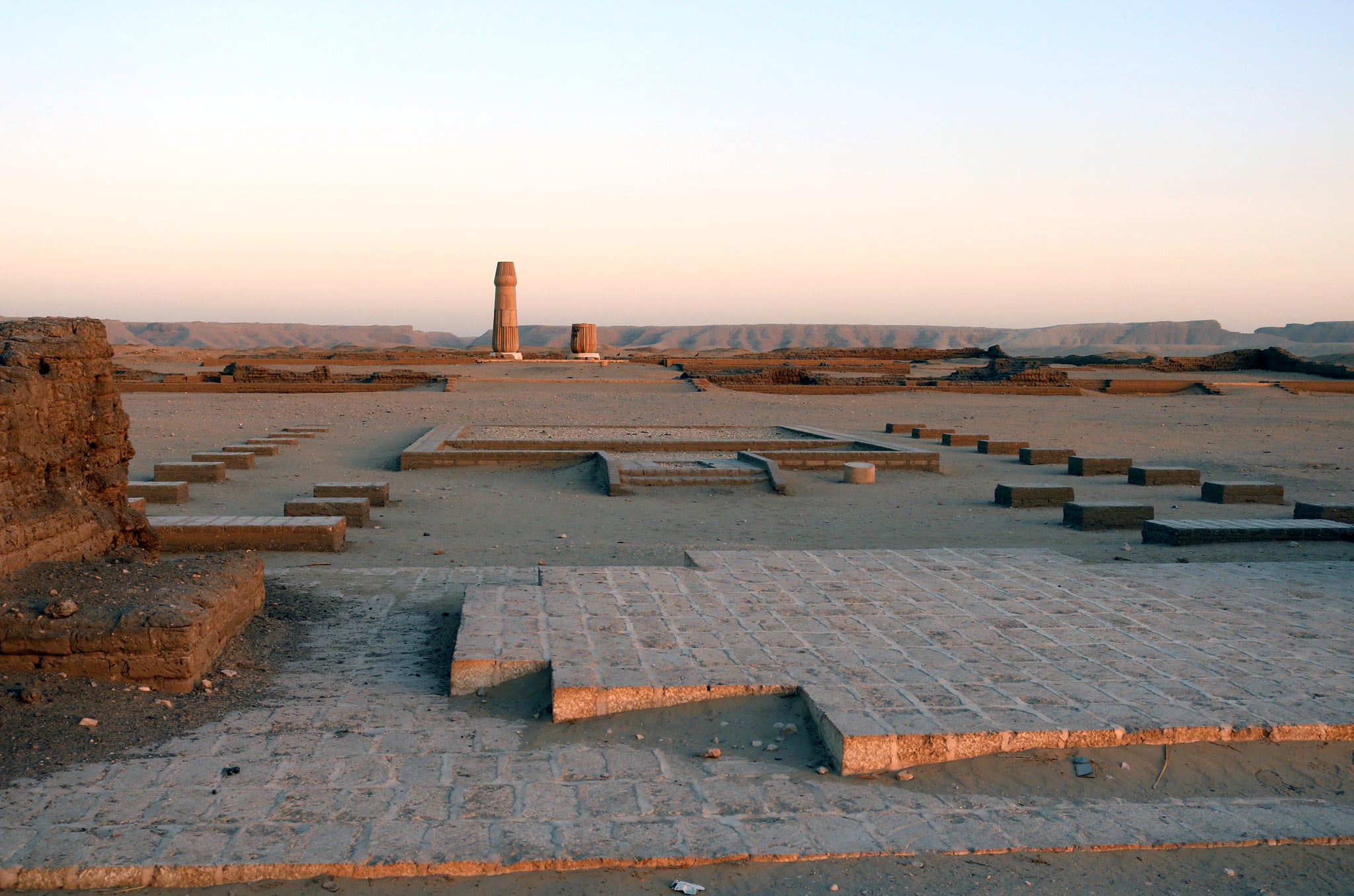
Pic 2: Remains of Temple to Aten at Tell el-Amarna
This archaeological site means a great deal to me as it is where I have spent my happiest times as a draughtsman and small finds registrar, and I love to share my experiences there with ASA travellers. I have spent two seasons here recording finds excavated in temples dedicated to the god Aten by Akhenaten. This 14th Century BCE pharaoh ruled Egypt from his new capital at Tell el-Amarna, roughly midway between Cairo and Luxor. It was a city built on a virgin site, and although preservation of the mudbrick buildings is limited, it still survives better than any other ancient city in Egypt. Walking through the ancient temple and palace remains, ASA travellers are treading where Akhenaten, Nefertiti and Tutankhamun once trod. We explore the site with our heads full of images from our museum visits in Cairo and from my lecture the evening before; images of richly painted plaster and vibrant faience tiles which once adorned these palace walls; of elaborately carved stone blocks, which once cased these temple walls.
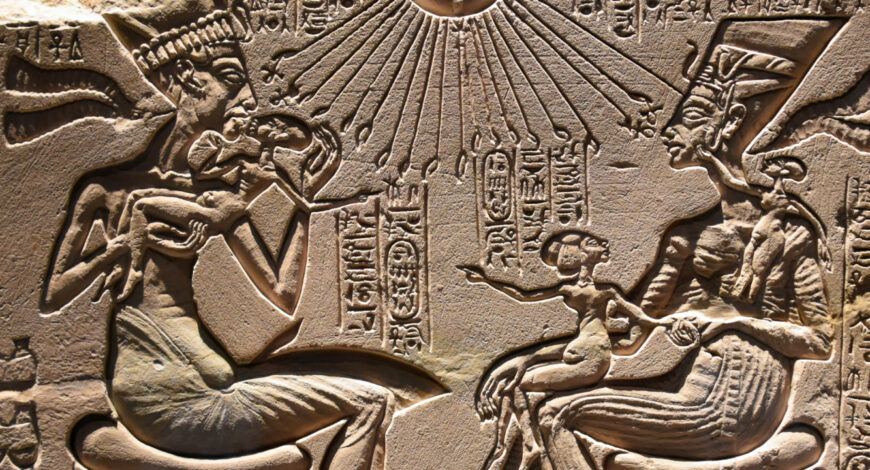
Exploration of the tombs of Akhenaten’s righthand men, located high in the limestone desert cliffs, help us understand the ancient city further, as temples and palaces are represented in detail on their carved walls. The art we see on the walls of these tombs is a highlight of this day and is typical of the intriguing ‘Amarna style’. Our travels elsewhere in Egypt inform us that traditionally the pharaoh was represented in a hyper-masculine way – strong, mighty and virile –forever young, muscles rippling, expressing an ideology not a true portrait. Akhenaten chose to be depicted in a style that is in marked contrast to the traditional strong athletic bodies and usually somewhat beatific faces of the rulers of Egypt. He is portrayed instead with pronounced hips, stomach and thighs, with a long face and neck, spindly limbs, and unusual facial features. The style of art is quite different during Akhenaten’s reign but very few people get to experience this extraordinary art in situ, because very few people get to visit the site of Tell el-Amarna.

Pic 3: Akhenaten and Nefertiti carved in relief in the Tomb of Ipy, Tell el-Amarna
This unusual mode of representation for this one and only pharaoh in some 3000 years of remarkably consistent kingship iconography has led to much theorising, including claims that Akhenaten must have been suffering from Frohlich’s Syndrome or Marfan’s Syndrome. I think it extremely unlikely he actually looked as we see him depicted in the tombs at Amarna; much more likely he chose to have himself and indeed his family represented in an exceptional manner to reflect their divine status as the focus of a ruler cult. Standing in the tombs, gazing up at this complex iconography, we can discuss various interpretations. The joy of an ASA tour in Egypt is the discussion that takes place at the ancient sites.
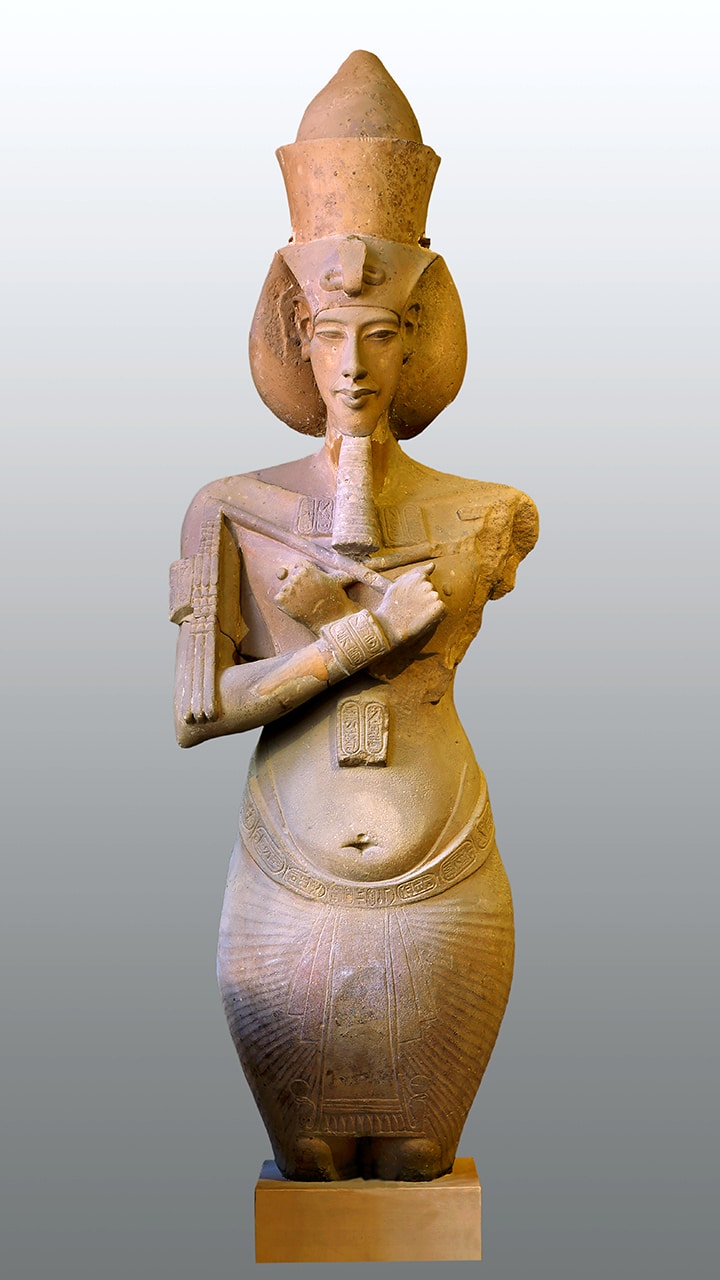
Pic 4: Colossal statue of Akhenaten, Egyptian Museum, Cairo
The extraordinary colossal sandstone statues we see of Akhenaten in the museums in Cairo are in fact not from Amarna but were excavated in Luxor in a temple built by this pharaoh alongside the Temple to Amun at Karnak. A lengthy visit to this vast ancient temple is a highlight of our Egypt tour, but today we can only see the location of Akhenaten’s temple to Aten, as it was dismantled not long after his death by the military pharaoh Horemheb and used as infill in his grand scale construction at the site. Today Akhenaten’s relief blocks have been retrieved, and we see many of on display in the Luxor Museum, and in the new Grand Egyptian Museum in Giza.
The style of relief on them is peculiar to Akhenaten’s reign and instantly recognisable, but so is the size of the blocks. This was the only pharaoh to have his mudbrick temples faced with stone blocks a ‘royal cubit’ in length (52 cm). Today we call these talatat blocks from the Arabic word for three as each block measures three hand spans across. These talatat blocks that we see in both Cairo and Luxor can be reconstructed like a giant archaeological jigsaw puzzle and tell us a great deal about the fascinating history and culture of 14th Century BCE Egypt.
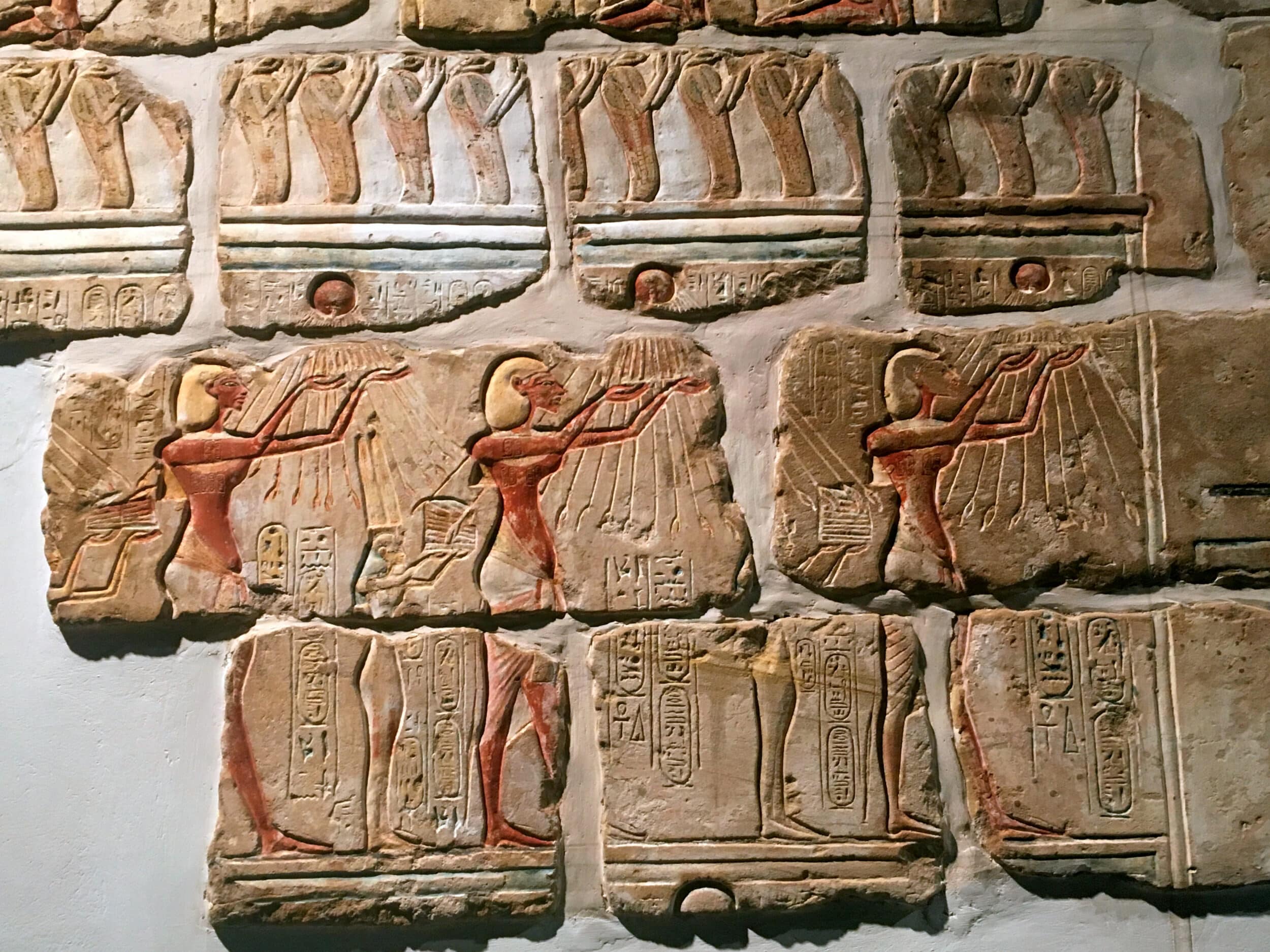
Pic 5: Images of Akhenaten on talatat blocks reconstructed in the Luxor Museum
The art and architecture we experience throughout Egypt dating to all periods of ancient and modern Egyptian history never cease to excite and inspire visitors to these awe-inspiring and very special places.
Join Egyptologist Lucia Gahlin on an epic journey through Egypt: from fabled Alexandria, through a land of Pharaohs, Christian monks, Islamic kings, up the Nile to Abu Simbel.

Meet the author Lucia Gahlin Here
- Lucia leads our tour Egypt In Depth: Across the Ages, from Alexandria to Abu Simbel
- Watch Lucia’s online lecture – The Colossal Art and Architecture of Egypt’s Boldest Pharaoh
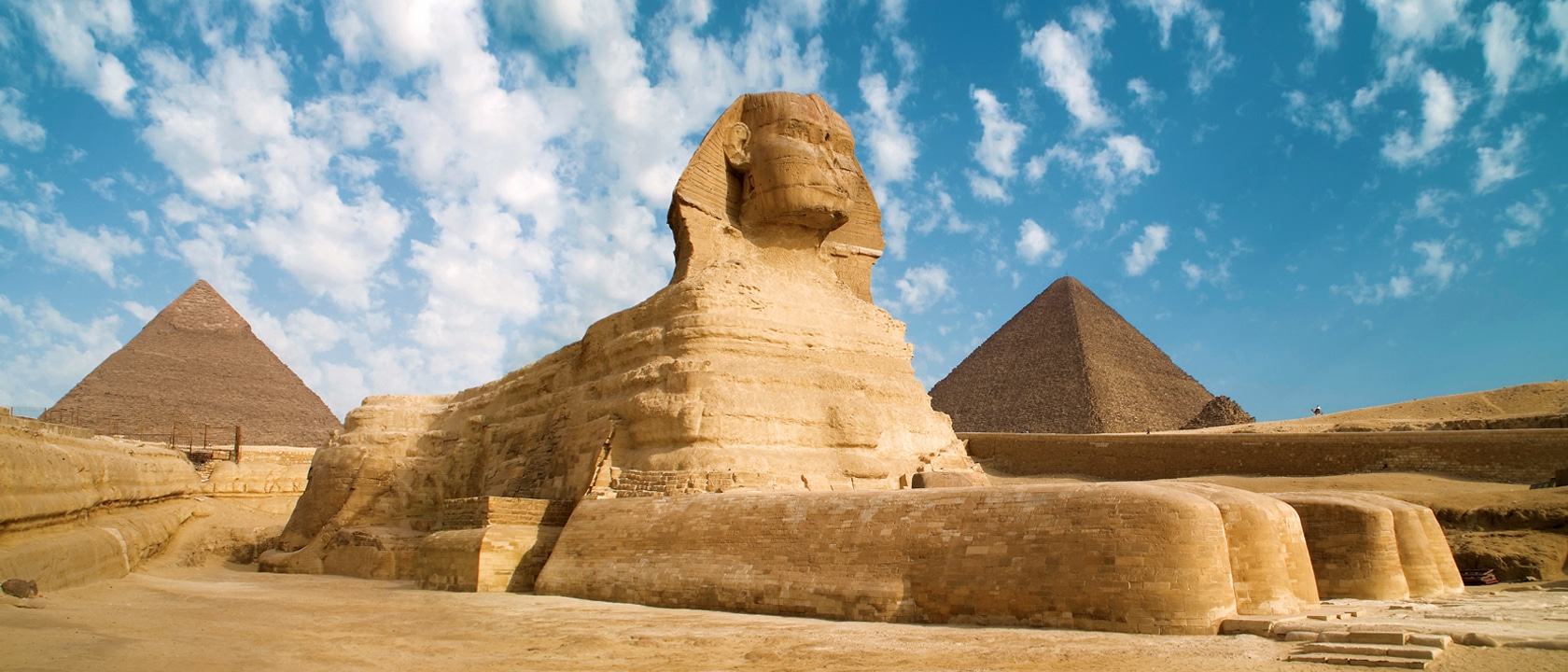 Egypt In Depth: Across the Ages, from Alexandria to Abu Simbel 2026
 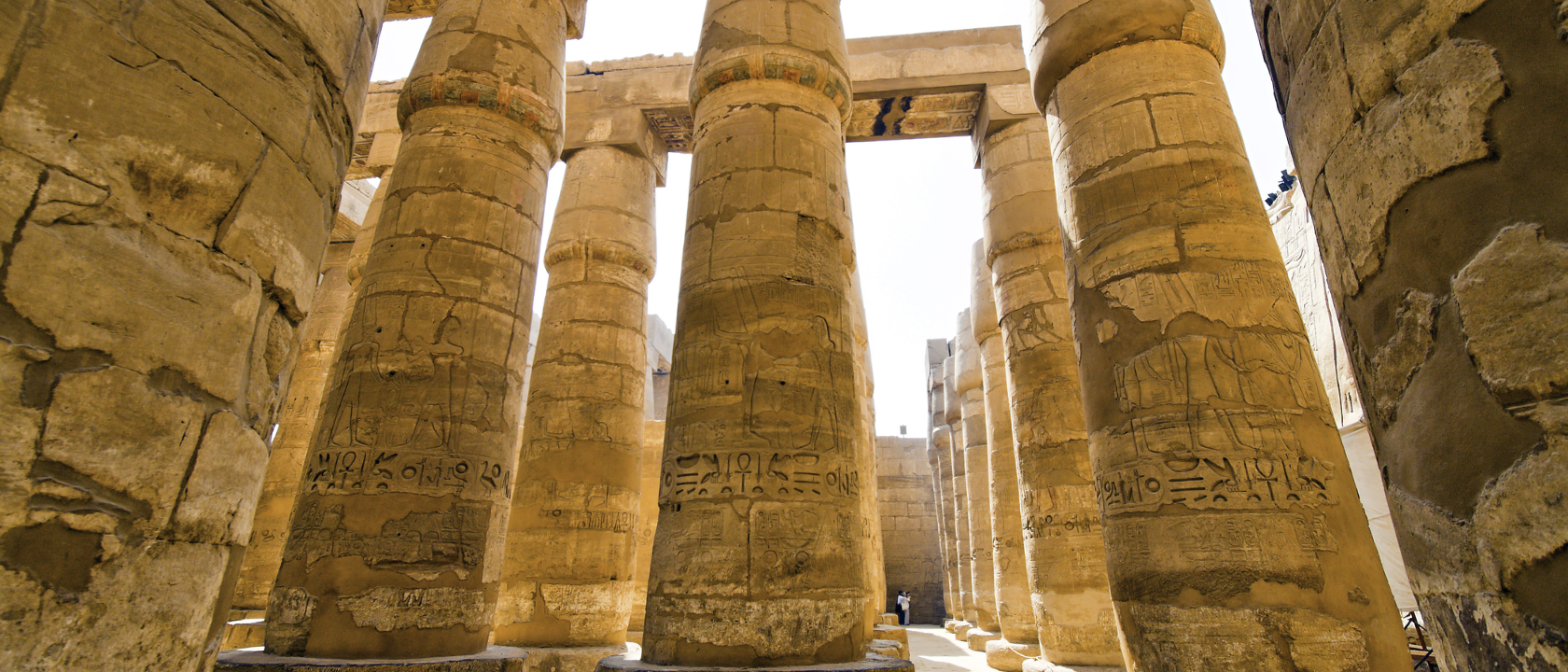 Egypt In Depth: Across the Ages, from Alexandria to Abu Simbel 2027
 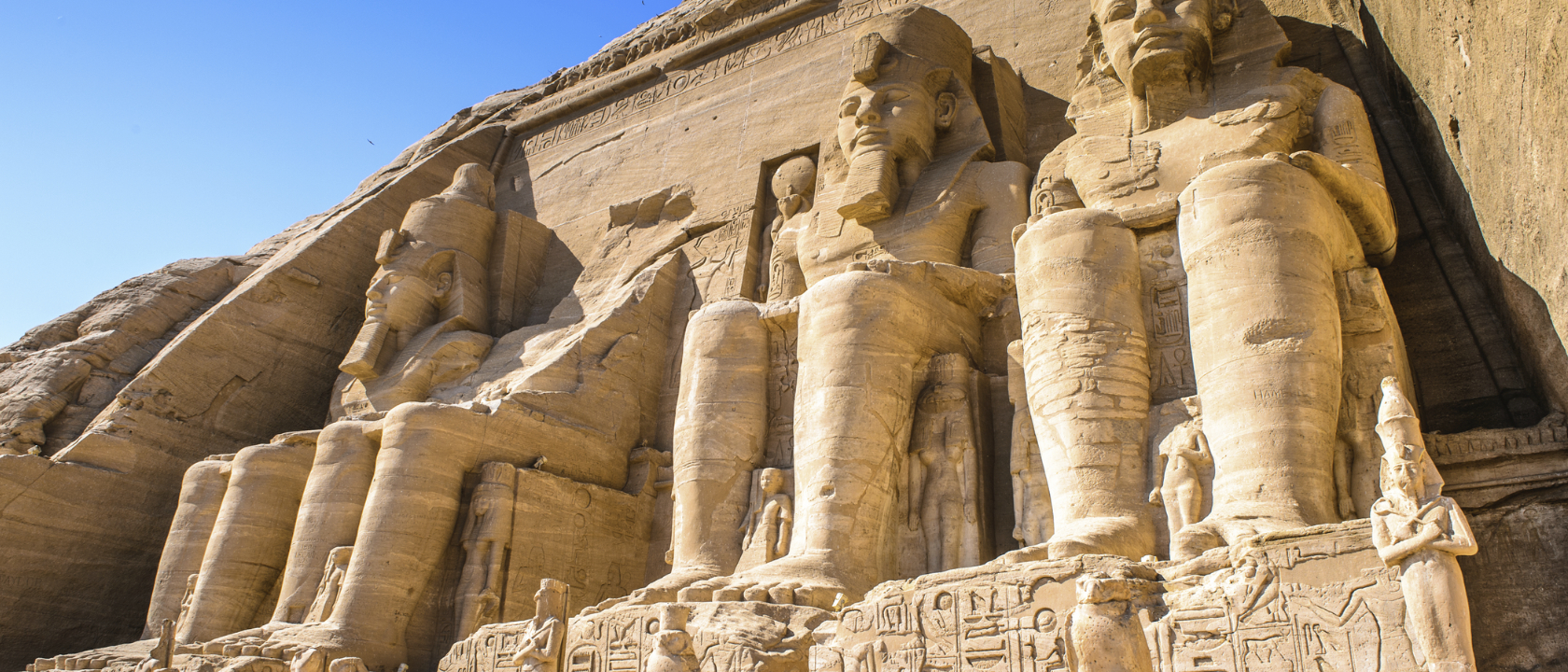 Egypt In Depth: Across the Ages, from Alexandria to Abu Simbel 2028