
From Castles to Vineyards: The Heritage of Celje, Ptuj, and Maribor
Celje, Ptuj and Maribor represent three important urban centres within Slovenia, each embodying distinct historical trajectories and cultural developments that contribute to the broader understanding of the region’s past and present. Celje is notable for its medieval prominence and association with the Counts of Celje, while Ptuj, widely considered the oldest continuously inhabited settlement in Slovenia, offers valuable insights into Roman and early medieval urbanism. Maribor, the country’s second-largest city, reflects both industrial and contemporary cultural dynamics, shaped by its strategic position along the Drava River. Visiting these cities enables a more nuanced appreciation of the historical continuity, socio-economic transformations, and cultural landscapes that define northeastern Slovenia.
Celje, the City of the Counts
The Celje we see today is a beautiful Renaissance town in the Savinja region (east-central Slovenia). It was first established as a Roman town in the province of Noricum, an important frontier province opening the way to Hungary (Pannonica) and Romania (Dacia). Like Britain, this Hallstatt-Celtic town was really absorbed into the Roman Empire by the Emperor Claudius, the Stammerer (r. 41-54 CE), made famous in the novels by Robert Graves. Gothic incursions in the 3rd and 4th centuries shattered the security and economy of the town; Slavs arrived here en masse in the 570s.
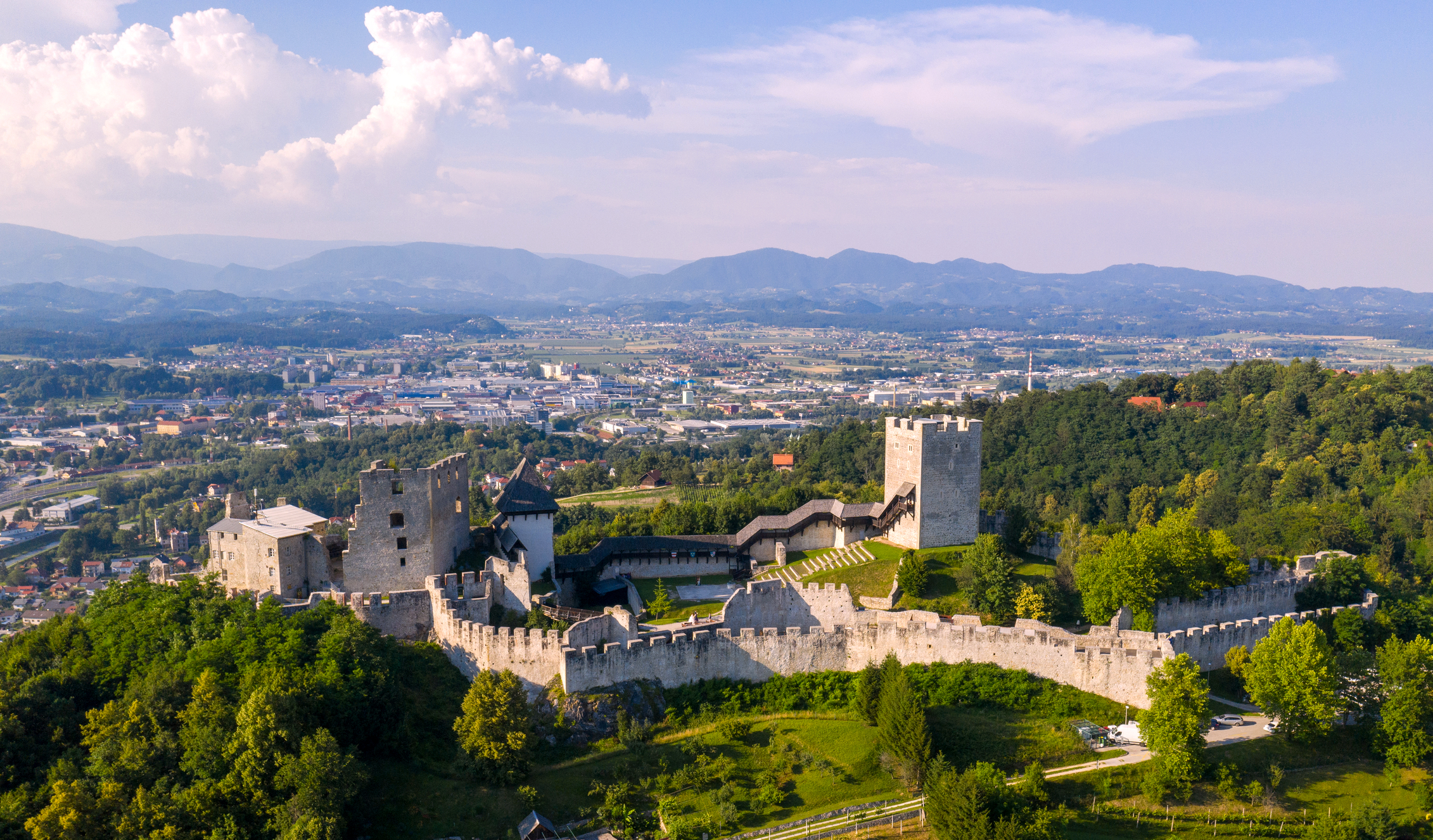
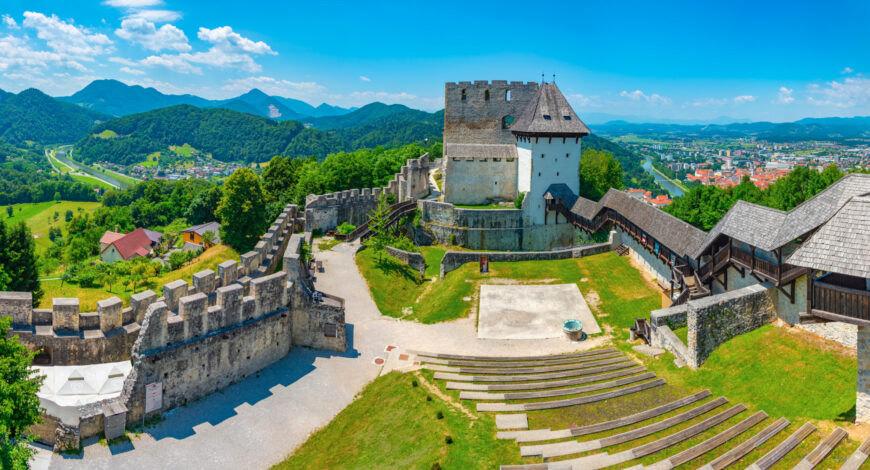
After the long era of barbarian migrations and ‘invasions’, the old Roman colonia of Celeia, with its fertile hinterland, became medieval Celje guarded now by the incomparable castle. The first written records of the castle date back to 1125. It came into the possession of the Lords of Sanneck in 1333, Counts of Celje from 1341 onward. They transformed the fortress into a comfortable living quarter and their official residence with impenetrable walls. Amid the chaos and trauma of the Ottoman conquest of Bosnia (1442–43), growing pressure on Belgrade—which ultimately fell in 1521—and the clear failure of the papal crusades at Nikopolis (1396) and Varna (1444), Count Ulrich II was also entangled in rivalries with Hungarian kings and Habsburg emperors. He was assassinated in Belgrade in 1456. The county of Celje became Habsburg, a patrimony of the Holy Roman Emperor.
The first imperial caretaker was named in 1461 and the castle’s importance as a fortress rapidly gave way to its economic role. Celje Castle was not only the most important castle in Slovenia, but in the entire eastern Alps. The castle lost its strategic importance eventually and fell into disrepair. The last residents left the site in 1795, and it was used as a quarry afterwards. Efforts to restore the castle started in the late 19th century and continue to this day.
Ptuj, the Oldest Town in Slovenia
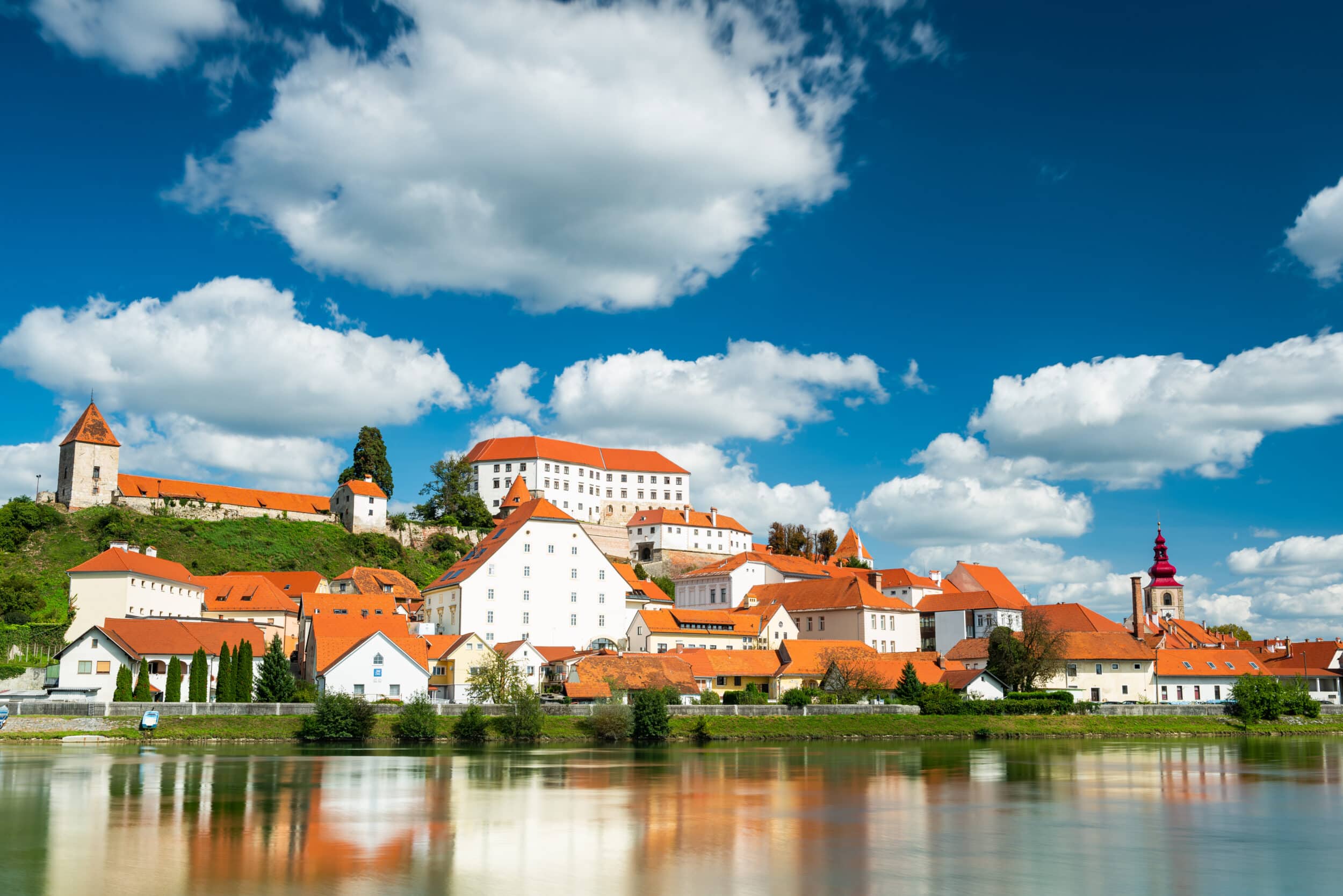
Located in the Štajerska wine region, Ptuj (pronounced “P-too-ee”) and Maribor are two lovely little towns at the beginning of the Pannonian Hills and Plains. The Drava River links the two, rising in the Dolomites, in the Italian side of south Tirol, traversing Austrian Carinthia and Styria, now Slovenia, going on to Croatia before meeting a tributary of the Danube in Osijek in eastern Slavonia, where the Drava now traces the border between Croatia and Hungary.
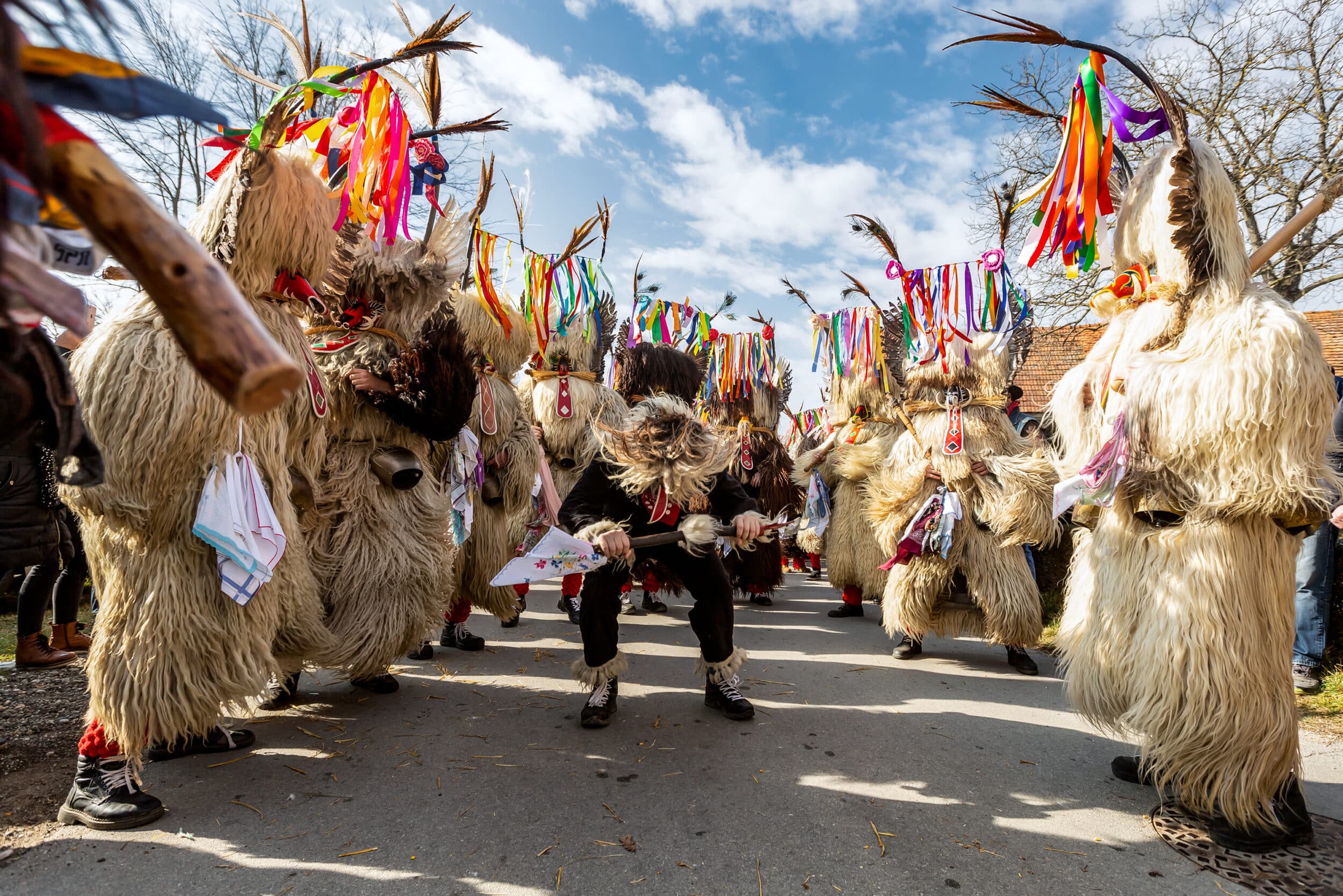
Ptuj’s main star is a Kurent, a traditional Shrovetide character dressed in sheepskin with large cowbells, masks, and feathers, performing rituals to chase away winter, evil, and bring spring, fertility, and good luck. The door-to-door rounds of the Kurenti (plural of Kurent) were inscribed in the UNESCO Representative List of Intangible Cultural Heritage. Ptuj was recently named Best Cultural Heritage Town in Europe for 2026.
Maribor and the Oldest Noble Grapevine
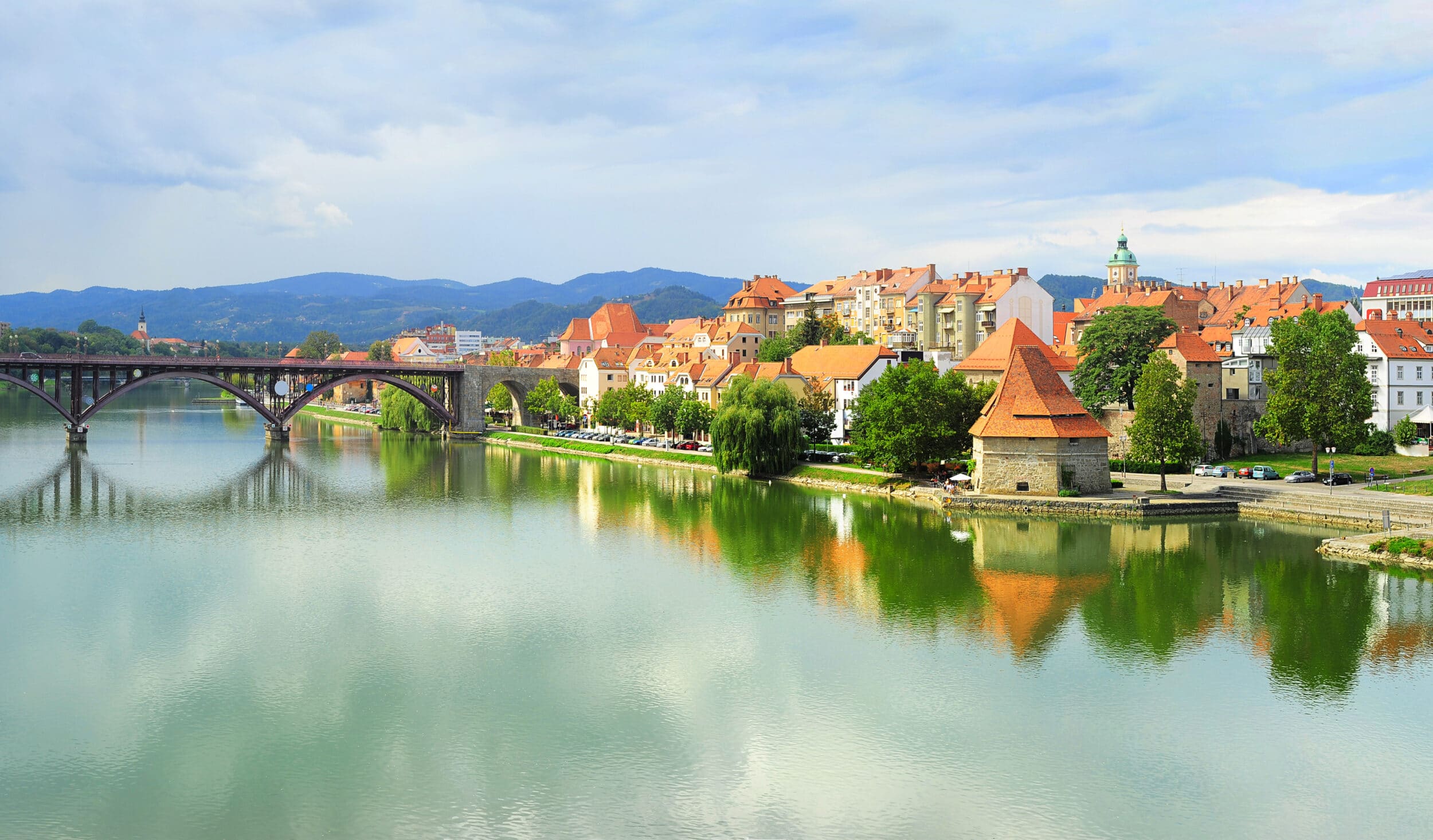
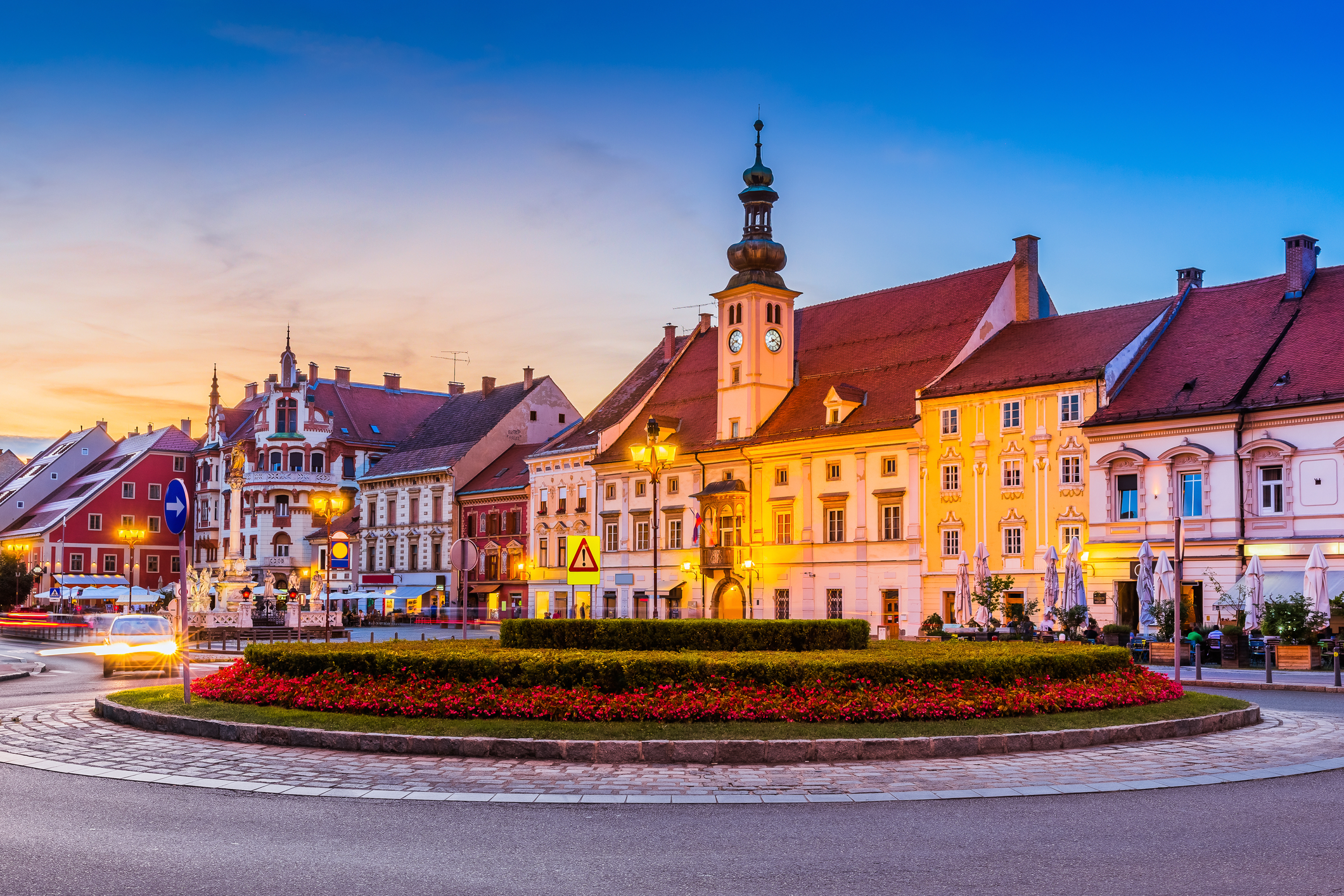
Maribor is nestled between sunny hills dotted with vineyards and the lush Pohorje Mountains, with the Drava River flowing through the city. It is Slovenia’s second-largest city, serving as the cultural and economic hub of the Styria region. Known for its rich wine heritage, the Stara Trta (Old Vine) in Maribor is the oldest living vine in Europe, and the world, at over 450 years old. This Žametovka vine has survived centuries of conflict, fires, and disease, producing roughly 35-55 kg of grapes annually.
Celje, Ptuj, and Maribor collectively illustrate the diverse historical and cultural evolution of northeastern Slovenia. From Celje’s medieval legacy and Ptuj’s deep-rooted antiquity to Maribor’s dynamic role as a modern urban centre, each city contributes uniquely to the region’s identity. Considered together, they reveal patterns of continuity and transformation shaped by shifting political, economic, and cultural influences, underscoring their enduring significance within both national and broader Central European contexts.
Assoc. Professor Dr Adrian Jones, OAM leads our tour of little-known, extraordinarily diverse Slovenia, Slovenia: Villages, Castles, Vineyards, Scenic Valleys and the Julian Alps. Adrian will be accompanied by Martin Muhek, who brings a profound knowledge of the Balkan region to ASA tours. Travel with them to this beautiful country in September, when the days are still long and warm and the autumn colours are beginning to appear.
 Slovenia: Villages, Castles, Vineyards, Scenic Valleys and the Julian Alps 2026
  Slovenia: Villages, Castles, Vineyards, Scenic Valleys and the Julian Alps 2027