
Shogun Ashikaga Yoshimitsu’s Ambition: Kinkaku-ji & Ginkaku-ji
by Jim Fogarty
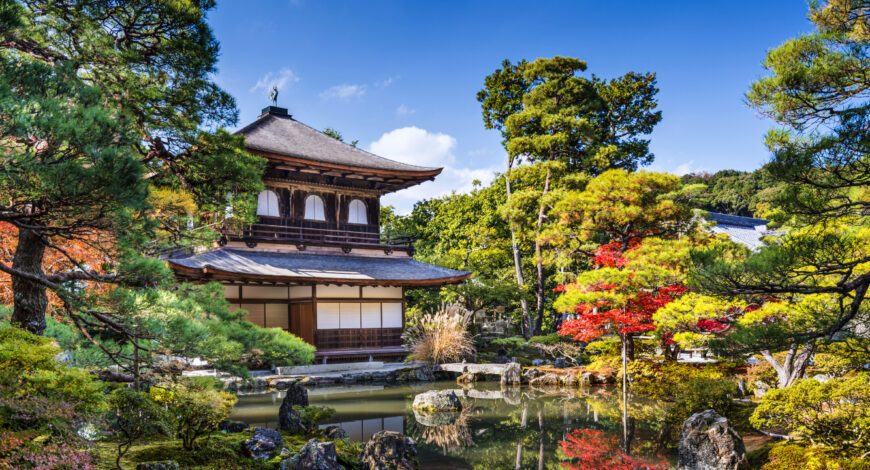
In the historic city of Kyoto, two Zen temples stand as shimmering symbols of Japan’s cultural refinement: Kinkaku-ji and Ginkaku-ji. Though often paired for their contrasting names—the Golden Pavilion and the Silver Pavilion—each reflects a distinct aesthetic philosophy that shaped Japanese art, architecture, and spirituality for centuries. Together, they offer a timeless glimpse into the elegance and contemplative beauty of Japan’s Muromachi era.
Kinkaku-ji – The Golden Pavilion and the Garden of Power, Kyoto
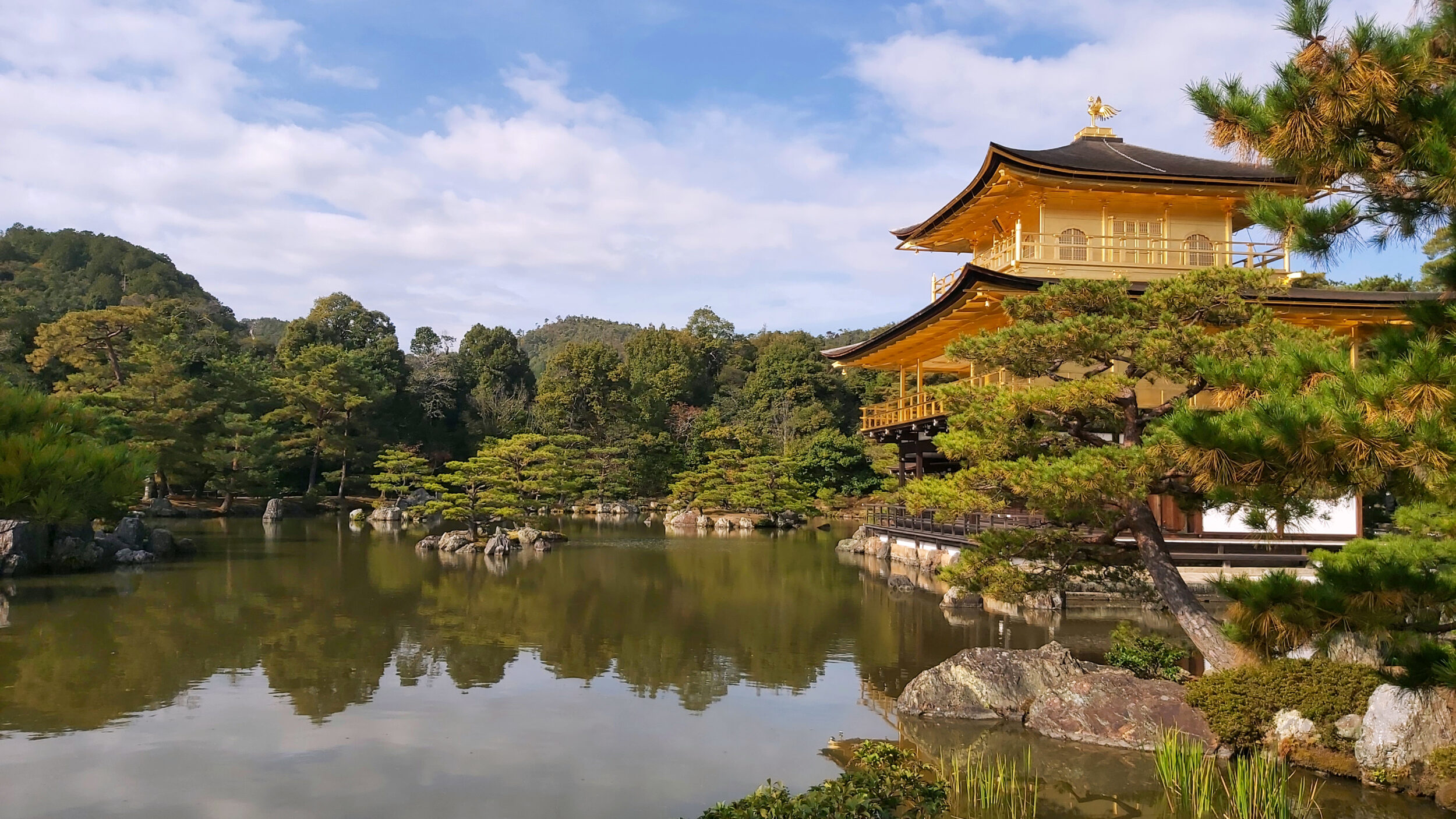
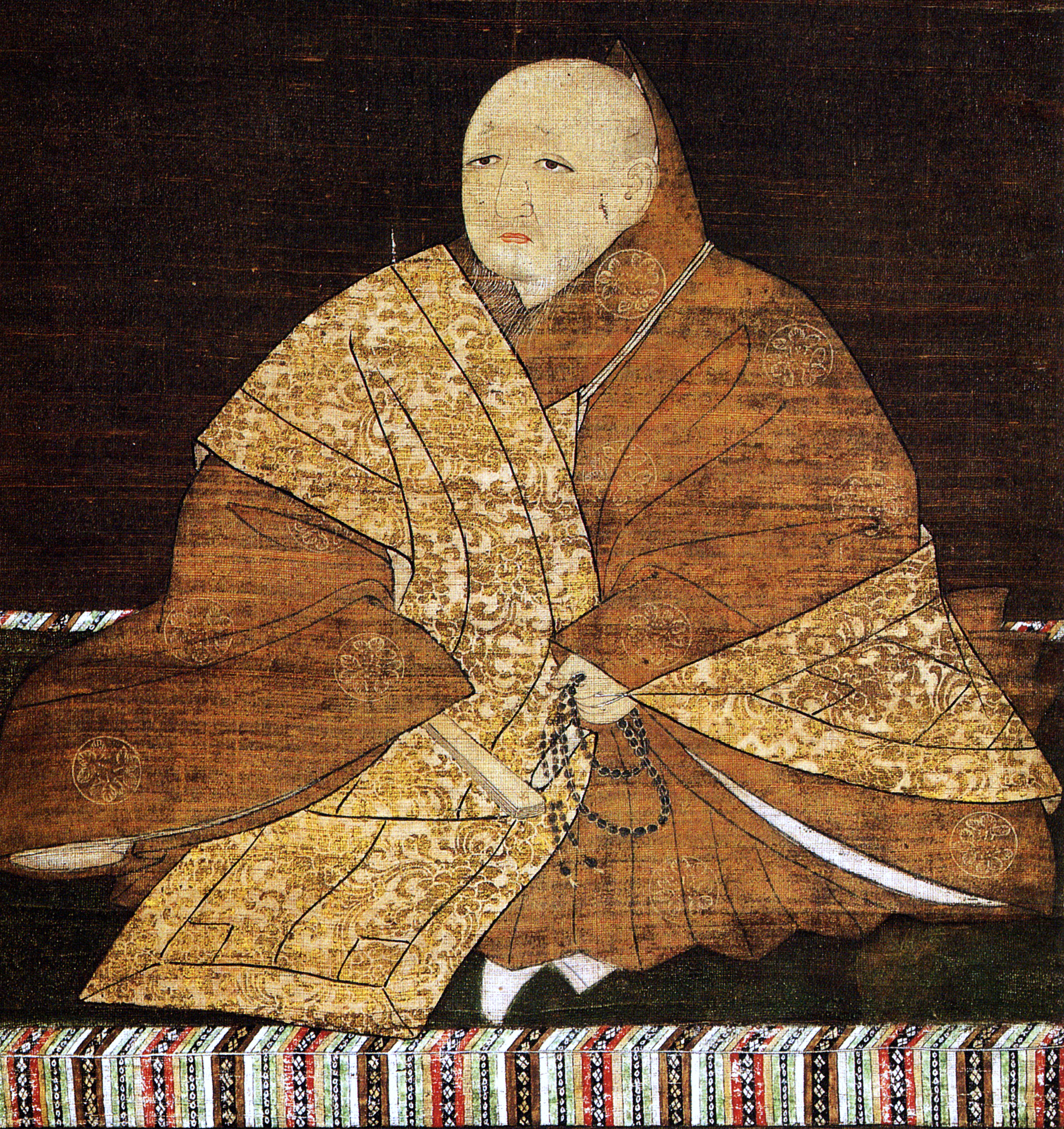
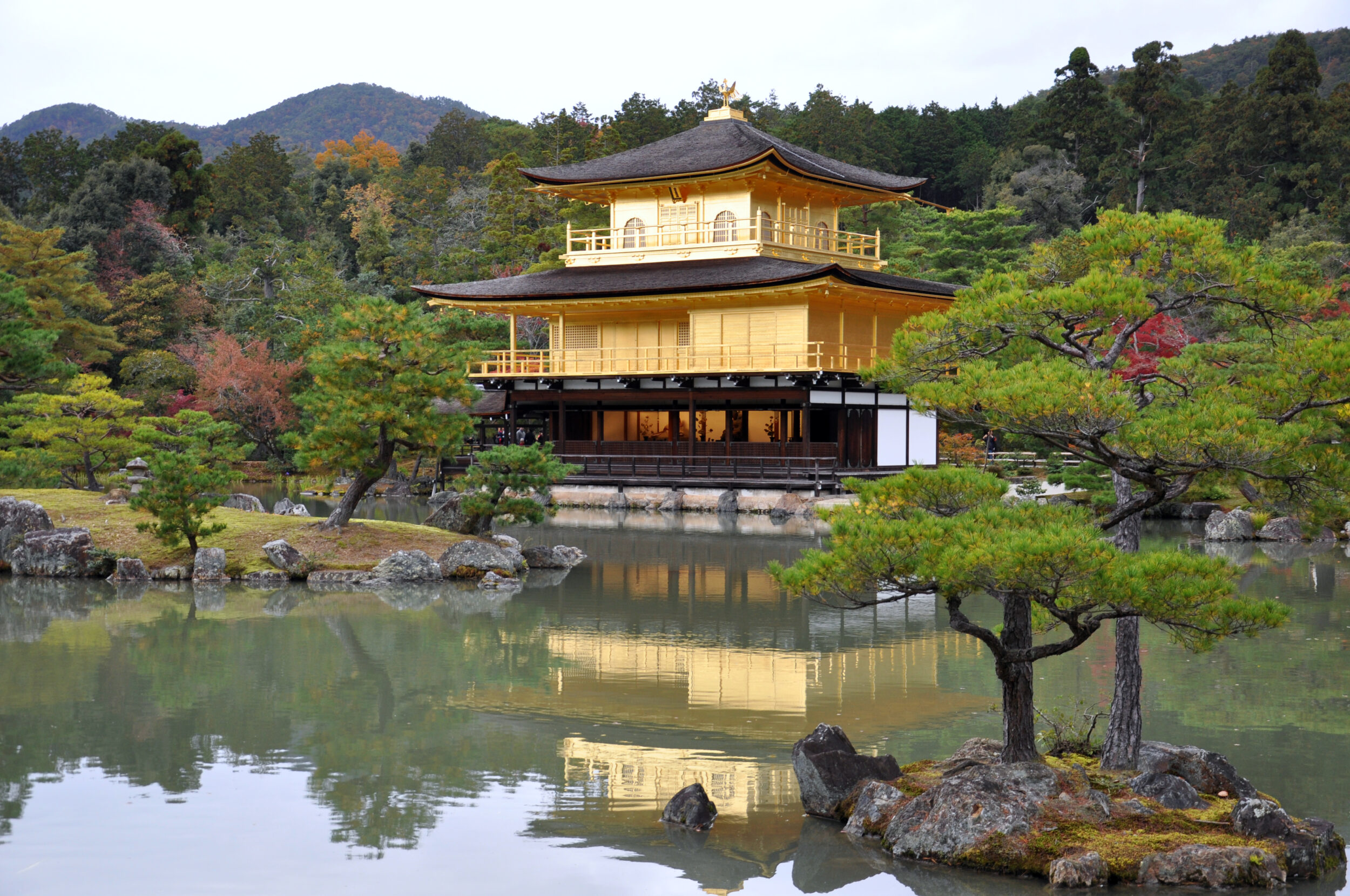
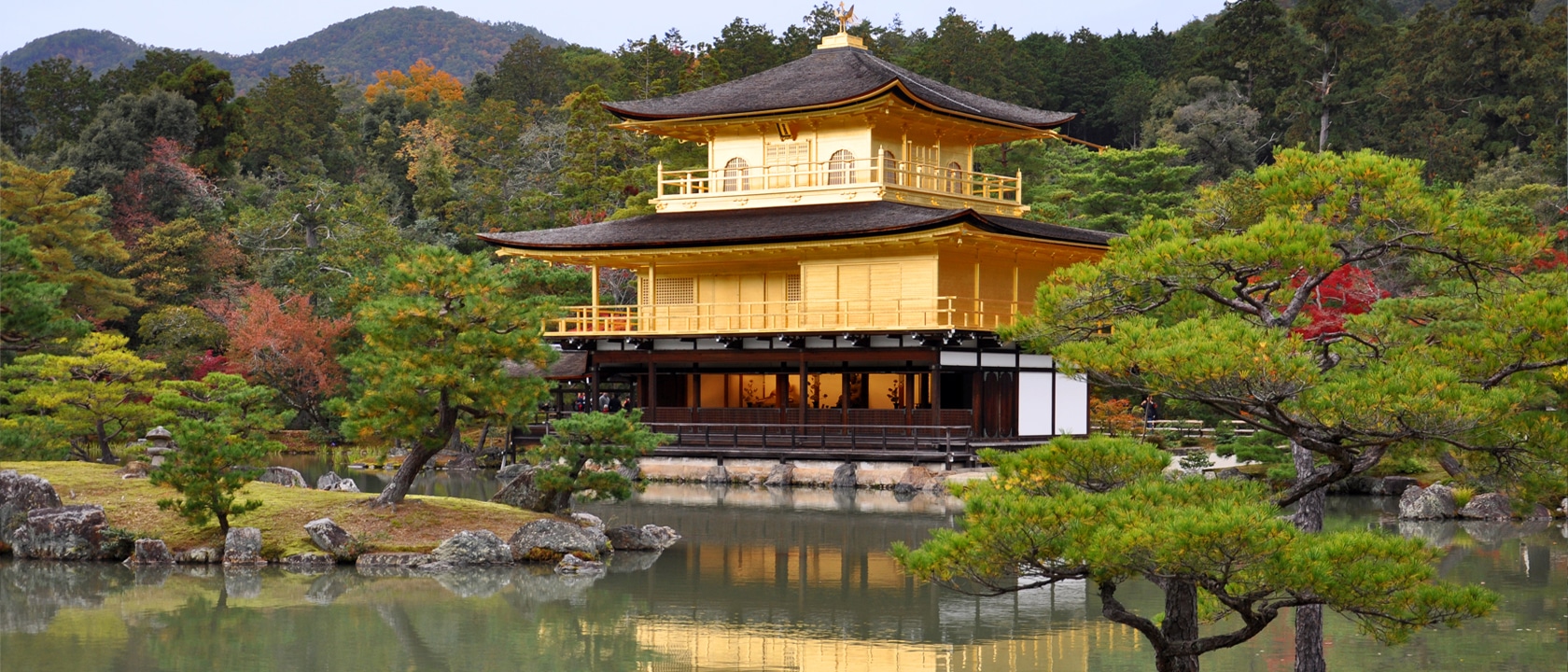
Few images symbolise Kyoto more vividly than Kinkaku-ji, the Golden Pavilion. Originally built in the late 14th century as the retirement villa of the powerful shogun Ashikaga Yoshimitsu, the pavilion was later converted into a Zen temple. Its upper storeys, covered in gold leaf, rise above a reflective pond surrounded by carefully composed plantings, islands and stone arrangements. The building’s shimmering surface creates a striking focal point within the surrounding landscape.
Yet beyond the dramatic architecture lies a sophisticated garden composition typical of the Muromachi period. The pond, islands and borrowed views of the distant hills work together to create depth and movement within the landscape. The garden was designed not simply as decoration for the pavilion, but as a carefully orchestrated setting that reveals Yoshimitsu’s ambition to express both political power and cultural refinement through landscape.
Ginkaku-ji – The Silver Pavilion, Kyoto
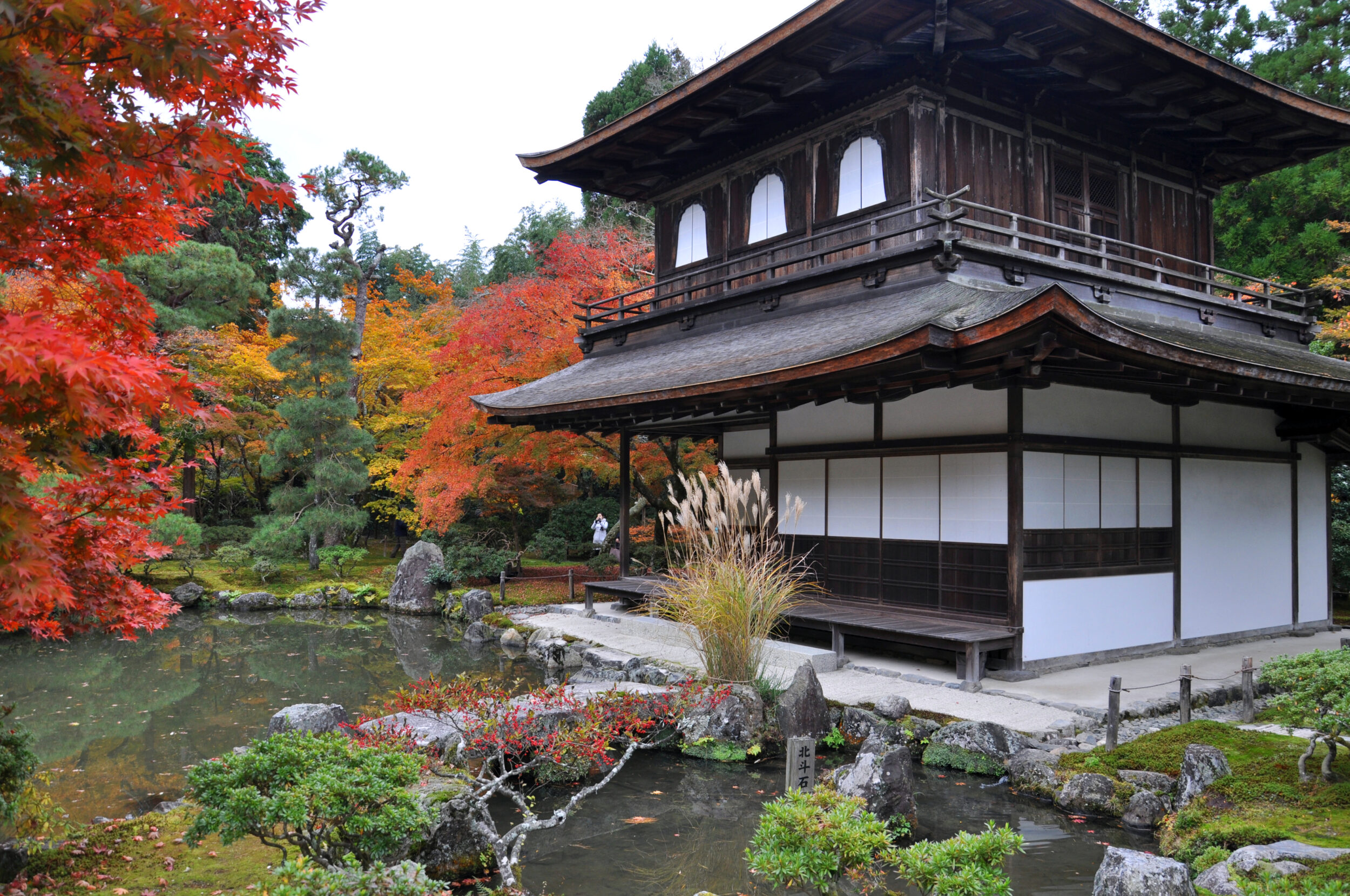
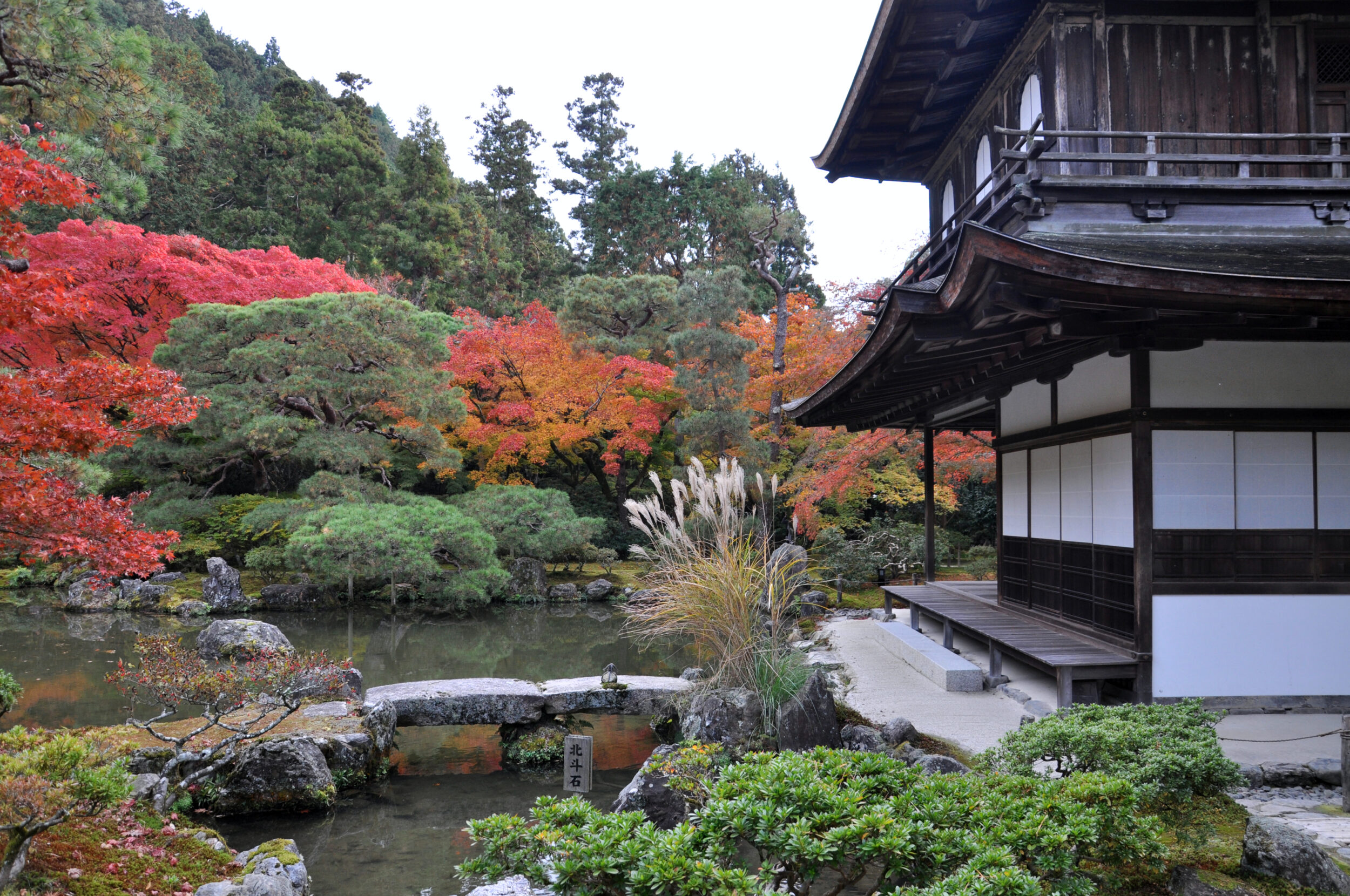
In contrast to the splendour of Kinkaku-ji, Ginkaku-ji (the Silver Pavilion) embodies a quieter and more contemplative vision of beauty. Built in the late 15th century by the shogun Ashikaga Yoshimasa, it was conceived as a retreat inspired by the earlier villa of his grandfather Yoshimitsu. Where the Golden Pavilion reflects authority and magnificence, Yoshimasa’s estate became a centre for poetry, tea culture and the refined artistic traditions that shaped Japanese aesthetics.
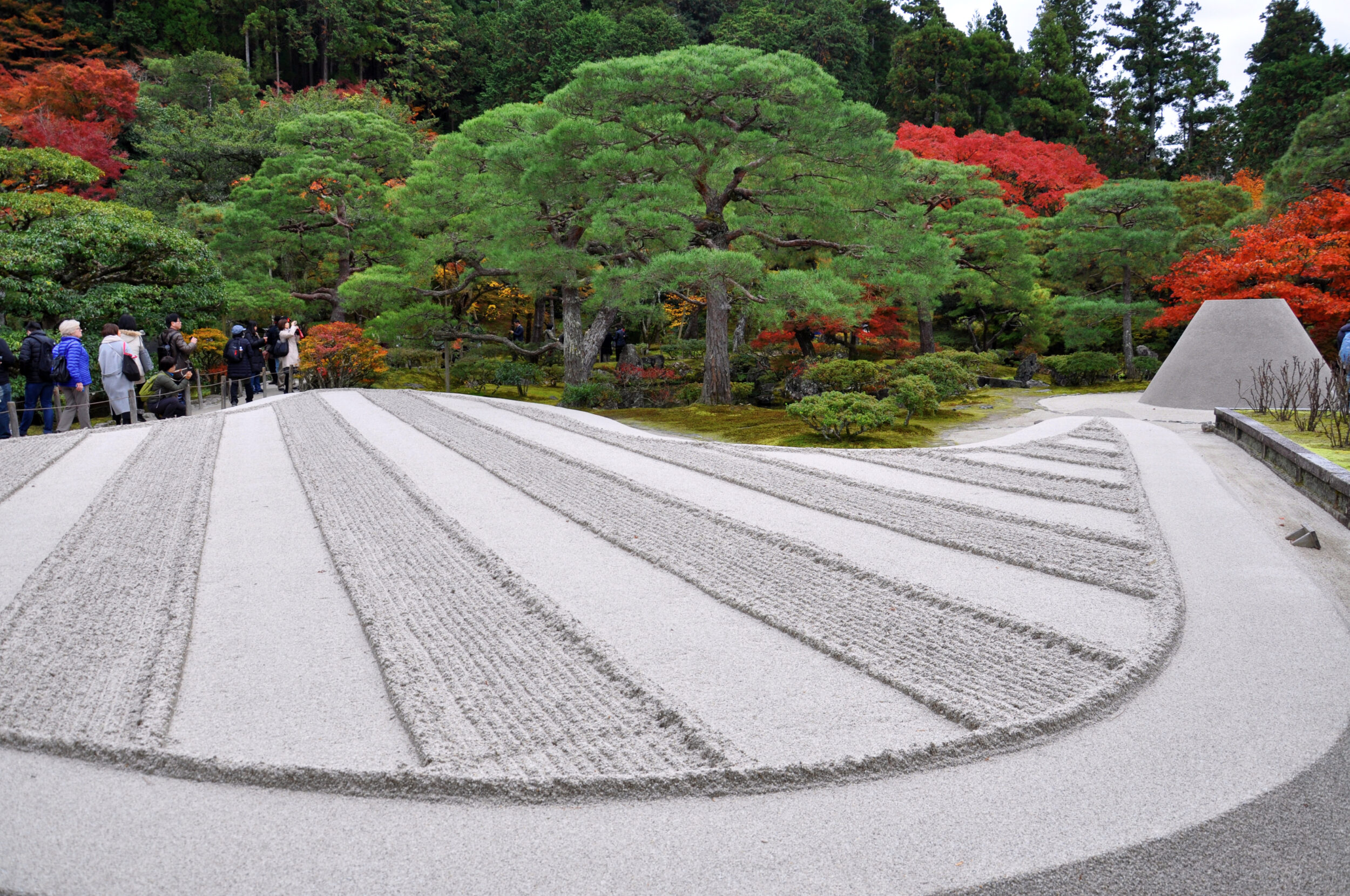
The garden is famous for its remarkable sand composition. A carefully raked expanse known as the ‘Sea of Silver Sand’ spreads across the foreground, while a sculpted conical mound called the ‘Moon-Viewing Platform’ rises from its surface. These forms are traditionally associated with moon viewing, reflecting light across the garden at night and contributing to the poetic name ‘Silver Pavilion’. Beyond this dramatic foreground, a moss garden and pond lead visitors through a sequence of spaces that express the subtle elegance and restrained beauty that came to define Japanese garden design.
Travel to Japan with Jim Fogarty, award-winning landscape architect and author, and one of Australia’s most knowledgeable experts on Japanese gardens. He won the award for Best Design at the 2009 World Garden Competition in Shizuoka Prefecture, and Gold and Best in Show at the 2011 Gardening World Cup Nagasaki.
Over many years Jim has carried out his own research into Japan’s most iconic gardens uncovering layers of fascinating history not widely known, and has a passionate interest in contemporary influences of Japanese garden design.
 Art, Architecture and History of Japan 2026
  Autumn & the Art of the Japanese Garden 2026
  Art, Architecture and History of Japan 2027
  Autumn Gardens and Landscapes in Japan – A Symphony of Colour 2027