
The Gardens of Samurai and Poet Ishikawa Jōzan (1583-1672)
by Jim Fogarty
Over many years Jim Fogarty has carried out his own research into Japan’s most iconic gardens uncovering layers of fascinating history not widely known, and has a passionate interest in contemporary influences of Japanese garden design. Travel with Jim, award-winning landscape architect and author, and one of Australia’s most knowledgeable experts on Japanese gardens. He won the award for Best Design at the 2009 World Garden Competition in Shizuoka Prefecture, and Gold and Best in Show at the 2011 Gardening World Cup Nagasaki.
Ishikawa Jōzan and the Enduring Power of the Quiet Garden
Among the many extraordinary gardens visited on this autumn tour, few resonate as deeply as those associated with Ishikawa Jōzan, a man widely regarded as one of Japan’s most influential and quietly brilliant garden designers. A former samurai who consciously stepped away from power and public life, Jōzan devoted himself to poetry, calligraphy, scholarship and the creation of small, deeply humane gardens. His work stands in deliberate contrast to the grand strolling gardens of the Edo elite. Instead, Jōzan perfected an approach based on humility, restraint and domestic scale, where gardens exist to support daily life, contemplation and the passing of the seasons.
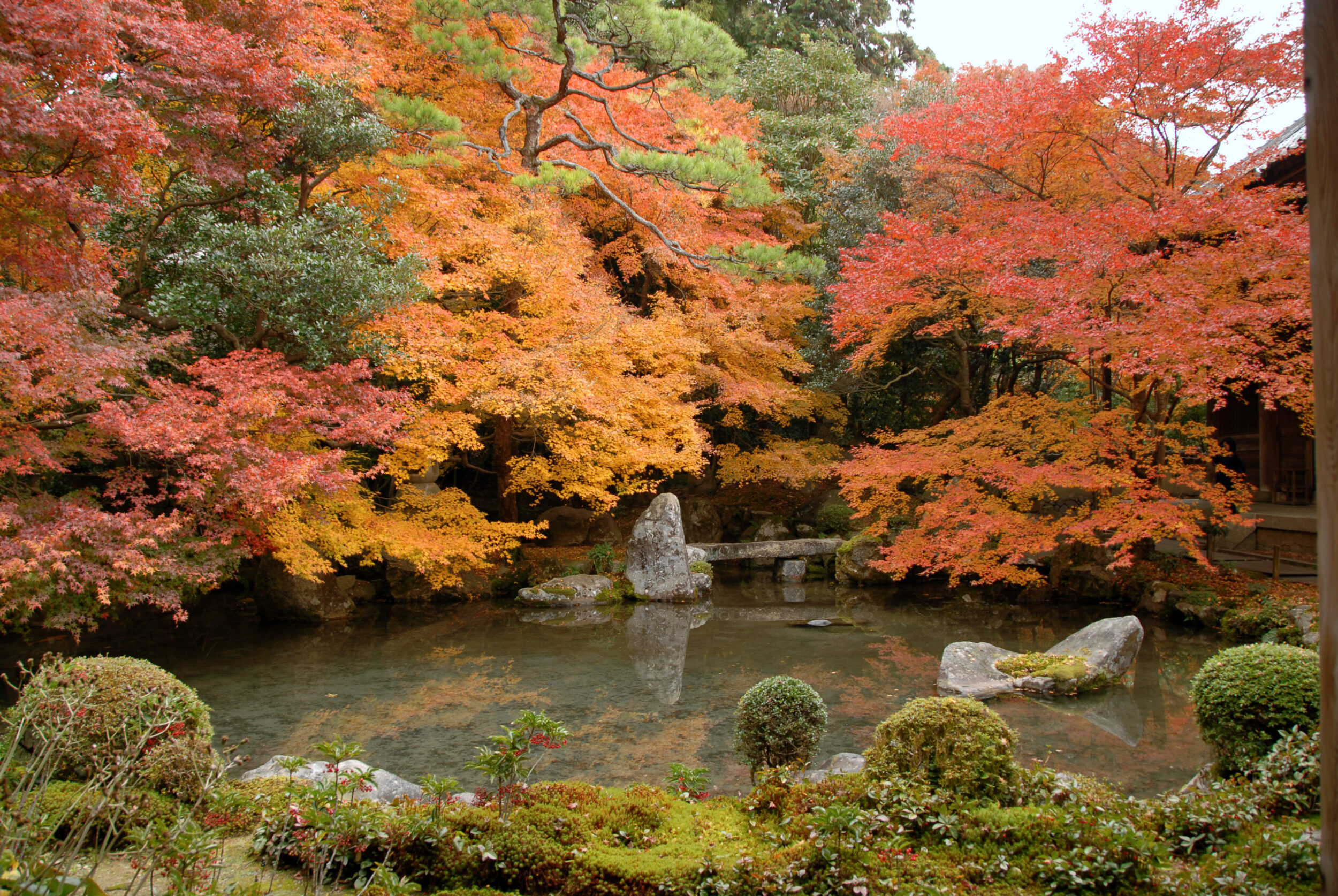
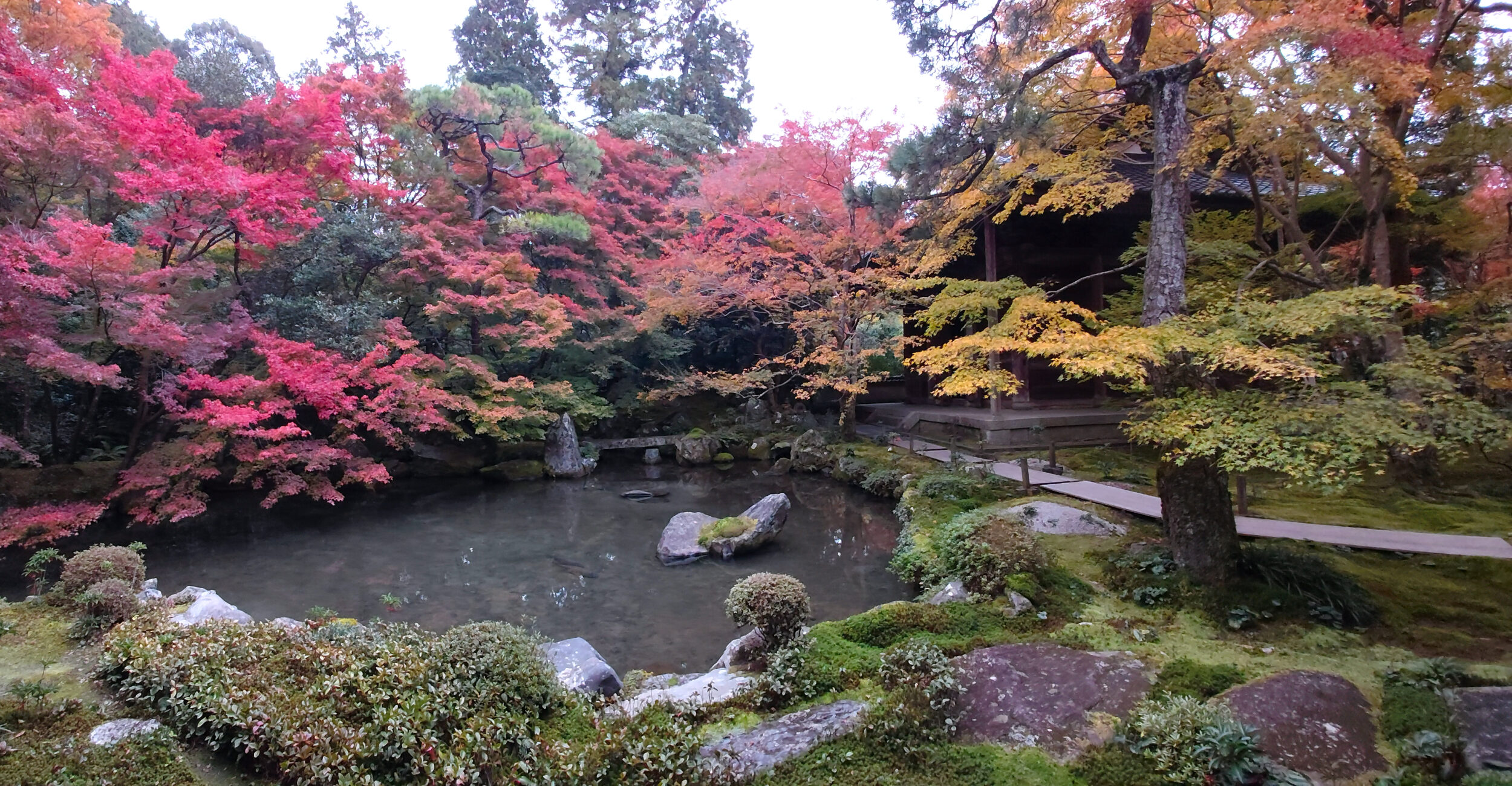
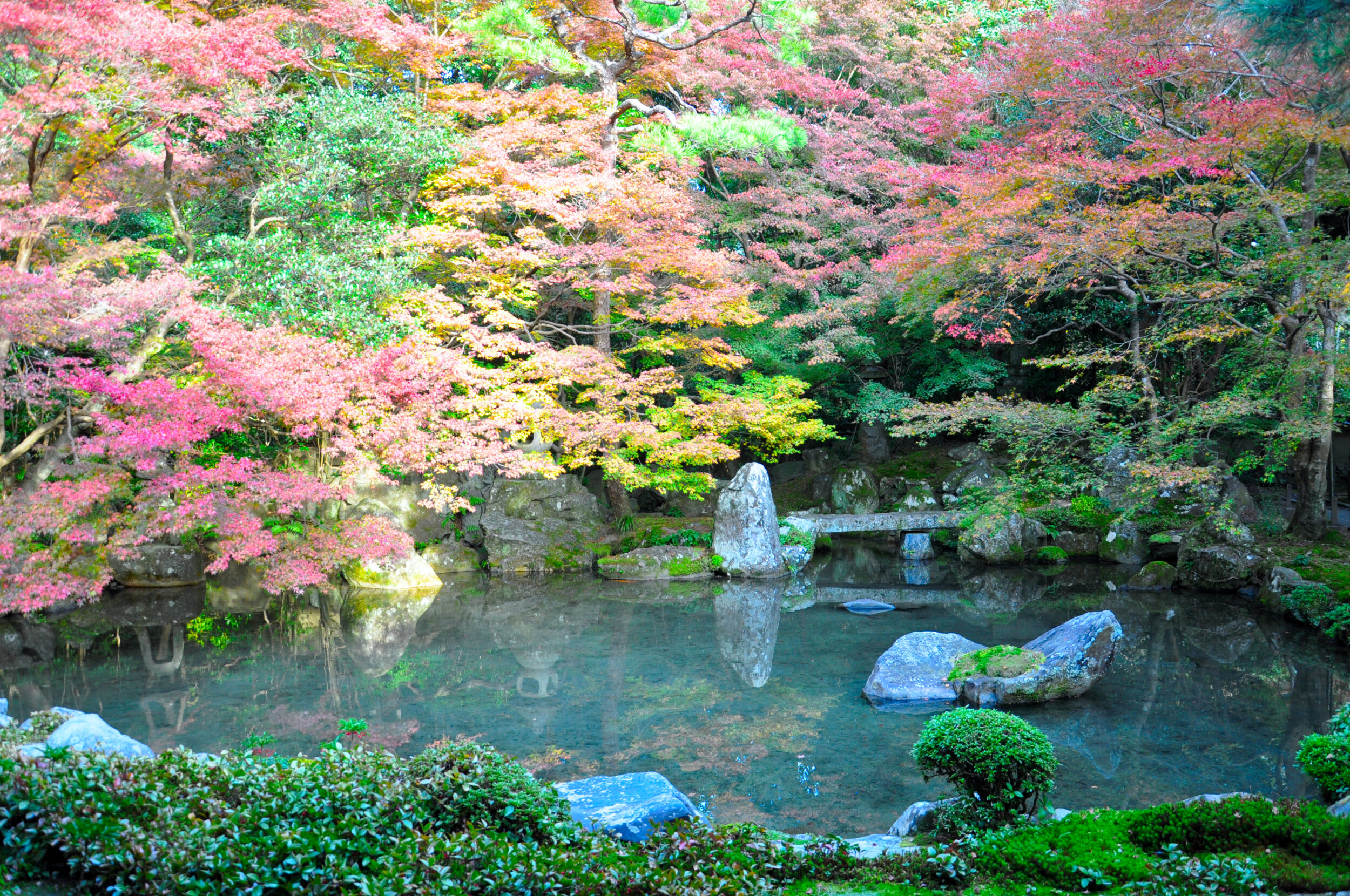
At Renge-ji, the garden is experienced exactly as Jōzan believed it should be; from a seated position, viewed quietly from within the temple. The composition is deceptively simple: a reflective pond, mossy ground plane, carefully placed stones and a restrained palette of maple foliage. In autumn, the garden comes alive with soft reflections of red and gold foliage, offering movement without disturbance. The scale is intimate, closer to a scholar’s residence than a public show garden, and it beautifully expresses Jōzan’s belief that a garden’s true role is to encourage stillness, thought and attentiveness.
Shisen-do – A Garden Shaped by Sound, Season and Solitude
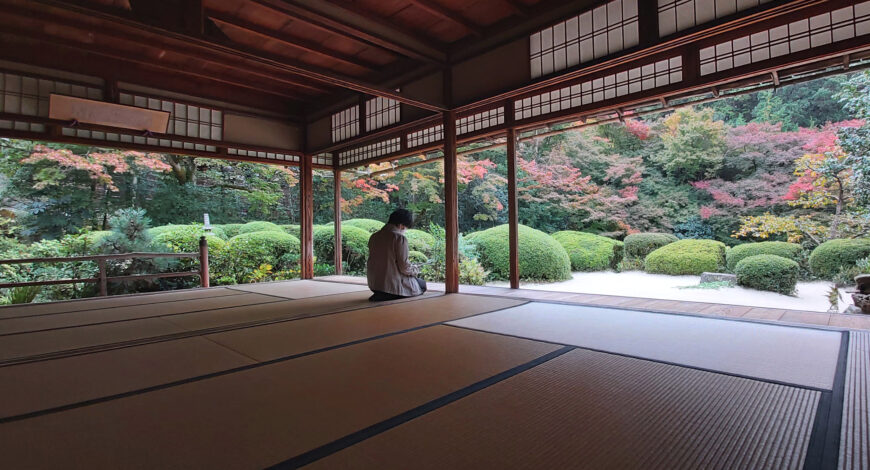
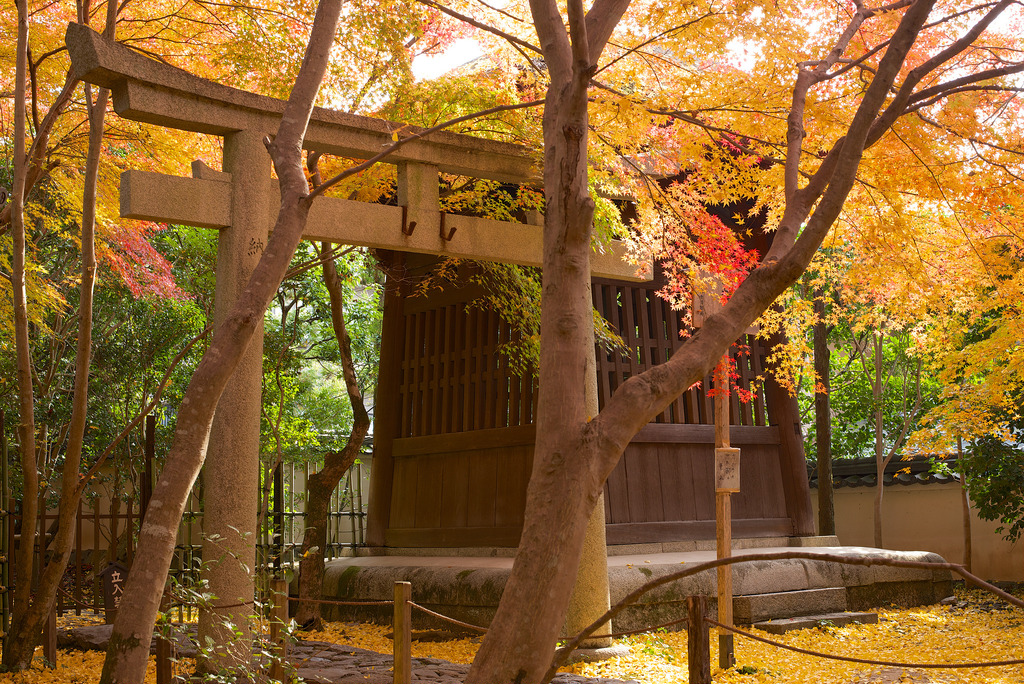
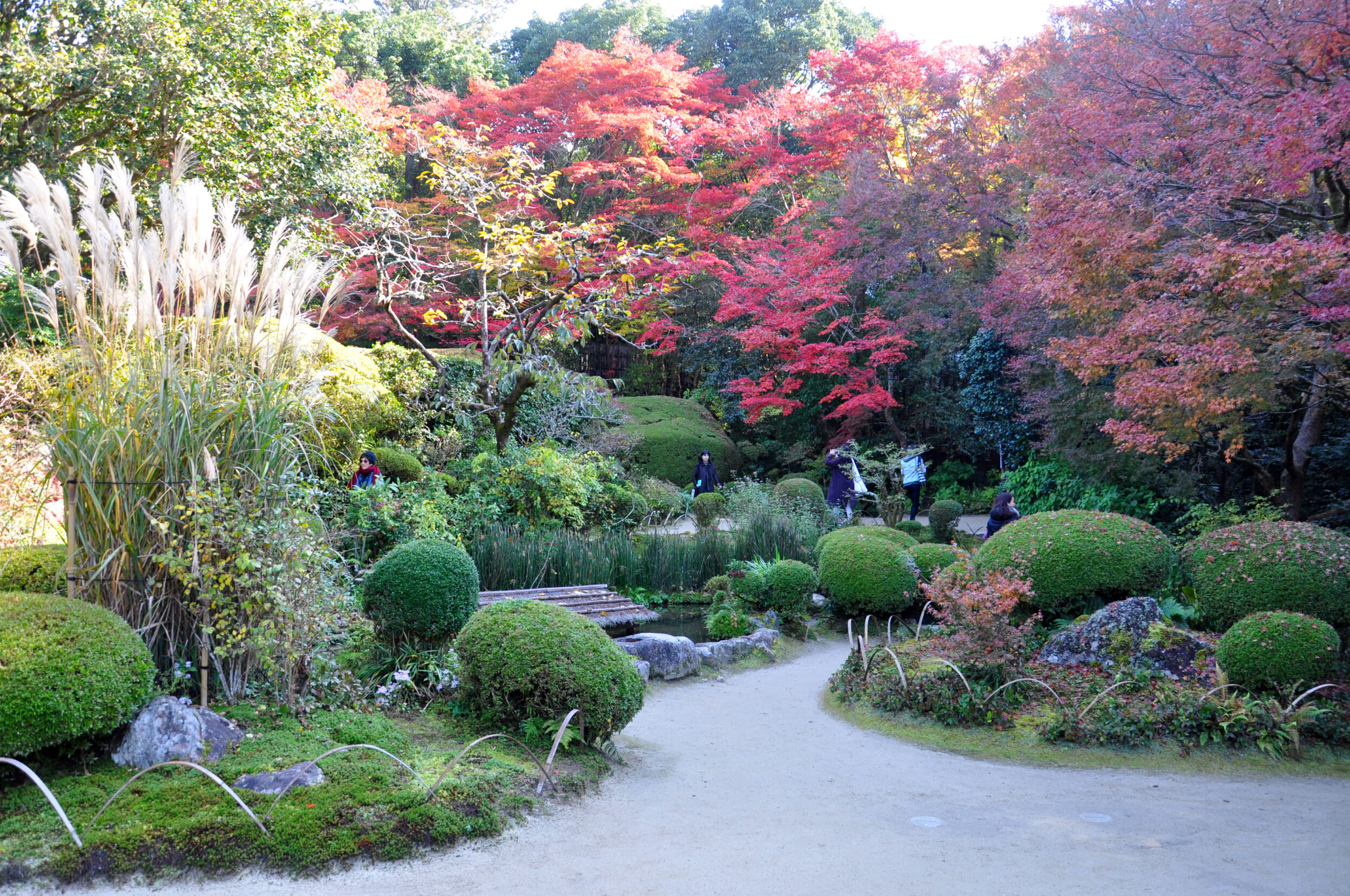
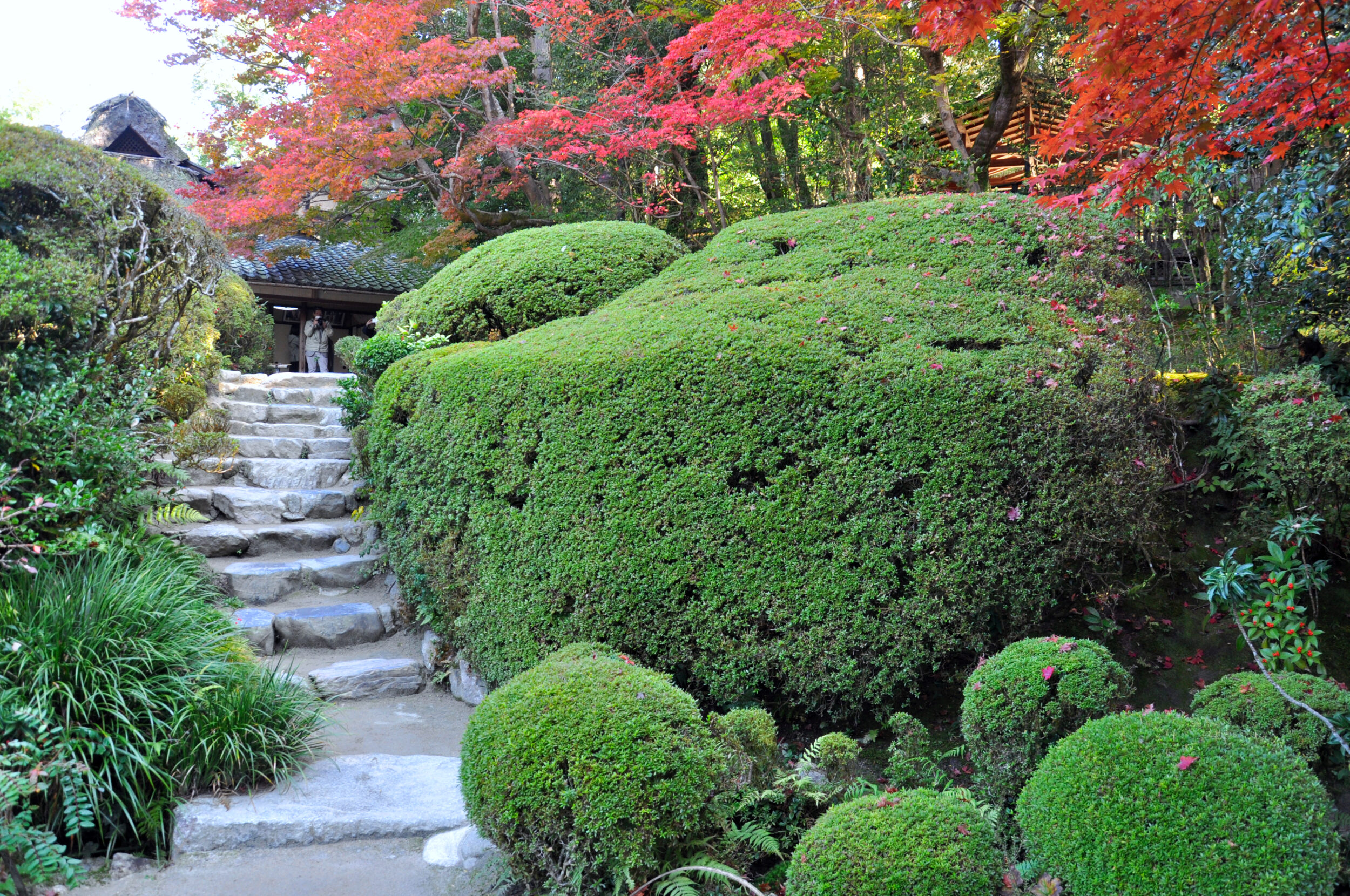
Shisen-dō in Northeast Kyoto was the personal retreat of retired Samurai Ishikawa Jōzan. More enclosed and inward-looking, this is a garden shaped not for formal viewing, but for quiet occupation and contemplation. A place to walk, pause, listen and reflect. Its modest scale and simple layout mirror Jōzan’s own temperament: humble, observant and deeply attuned to the rhythms of nature.
In autumn, Shisen-dō is especially moving. Fallen maple leaves gather naturally across the garden floor, forming a soft, transient carpet that speaks directly to impermanence. Unlike the grand strolling gardens of the Edo period, Shisen-dō is intimate and deliberately restrained. It demonstrates Jōzan’s enduring influence on Japanese garden design. The belief that true beauty lies not in scale or ornament, but in atmosphere, proportion and sensitivity. Experiencing this garden in autumn offers a rare opportunity to encounter Japanese garden philosophy at its most personal and quietly profound.

Images
Photos not credited in text by Jim Fogarty
This article relates to
-
 Art, Architecture and History of Japan 2026
-
 Autumn & the Art of the Japanese Garden 2026
-
 Southern Japan: Kyushu’s Ancient Forests, Mountain Shrines & the Spirit of the Samurai 2027
-
 Art, Architecture and History of Japan 2027
-
 Autumn Gardens and Landscapes in Japan – A Symphony of Colour 2027
-
 Southern Japan: Kyushu’s Ancient Forests, Mountain Shrines & the Spirit of the Samurai 2028