
The Gardens of Varengeville: A Century of Botanical & Landscape Innovation
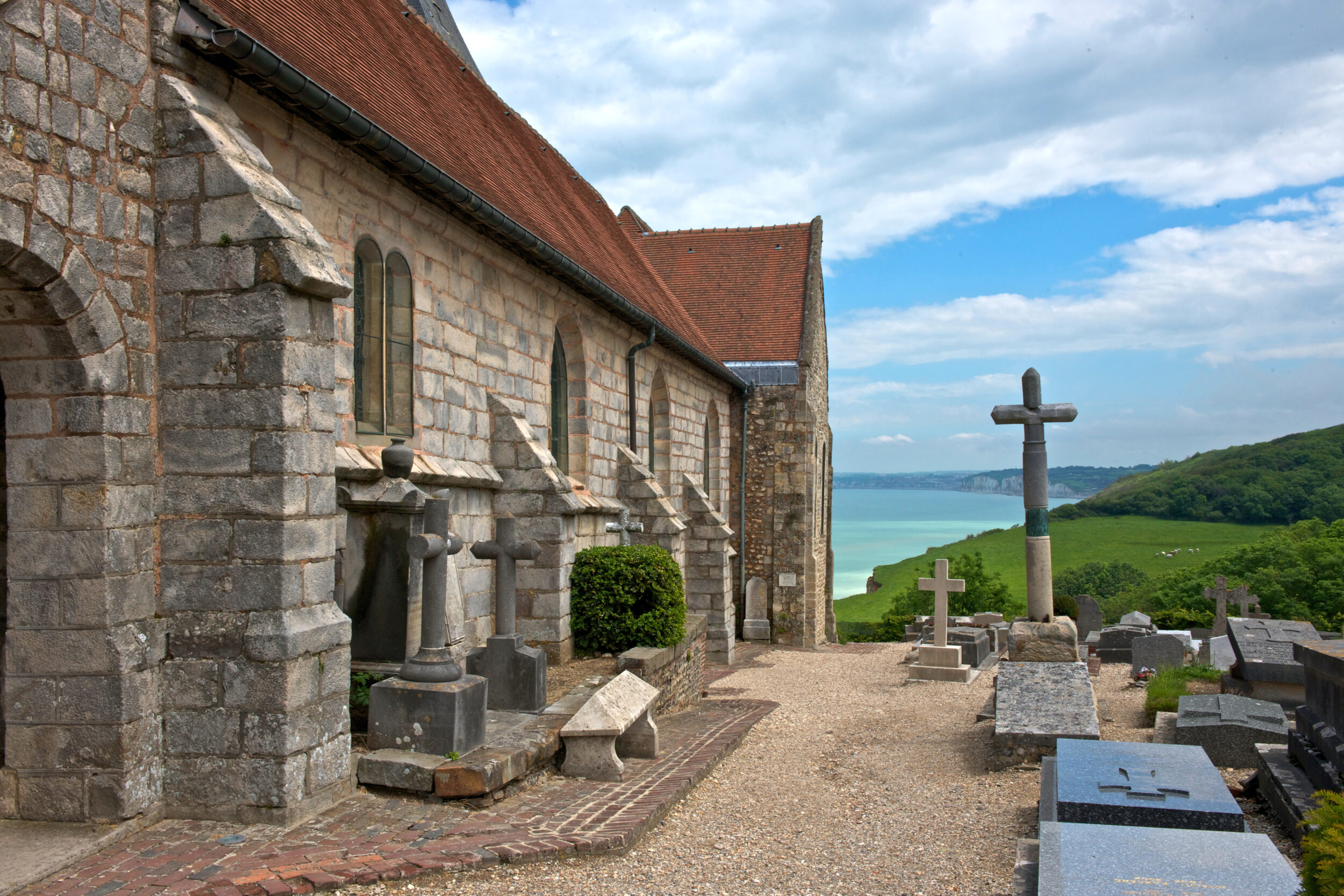
Varengeville-sur-Mer is a village on Normandy’s Côte d’Albâtre (Alabaster Coast), where dramatic chalk cliffs meet the open waters of the English Channel. Long associated with artists, notably the Impressionists and later the Modernists, it is home to the 12th-century Église Saint-Valéry, dramatically perched on the cliff edge and immortalised in several paintings by Claude Monet. Other artists, including Pierre-Auguste Renoir, Camille Pissarro, and Jean-Baptiste-Camille Corot, were likewise drawn to the village’s distinctive coastal light. Surrounding the church, the Marine Cemetery overlooks the sea and holds the grave of Cubist master Georges Braque, who also designed a stained-glass window for the church. Joan Miró created much of his emblematic Constellations series in the village, and Alexander Calder spent significant time there during the late 1930s.
Beyond its artistic heritage, Varengeville is celebrated as the unofficial “capital of gardens,” where exceptional botanical estates transform the coastal landscape into a living tapestry of trees, colour, and design.
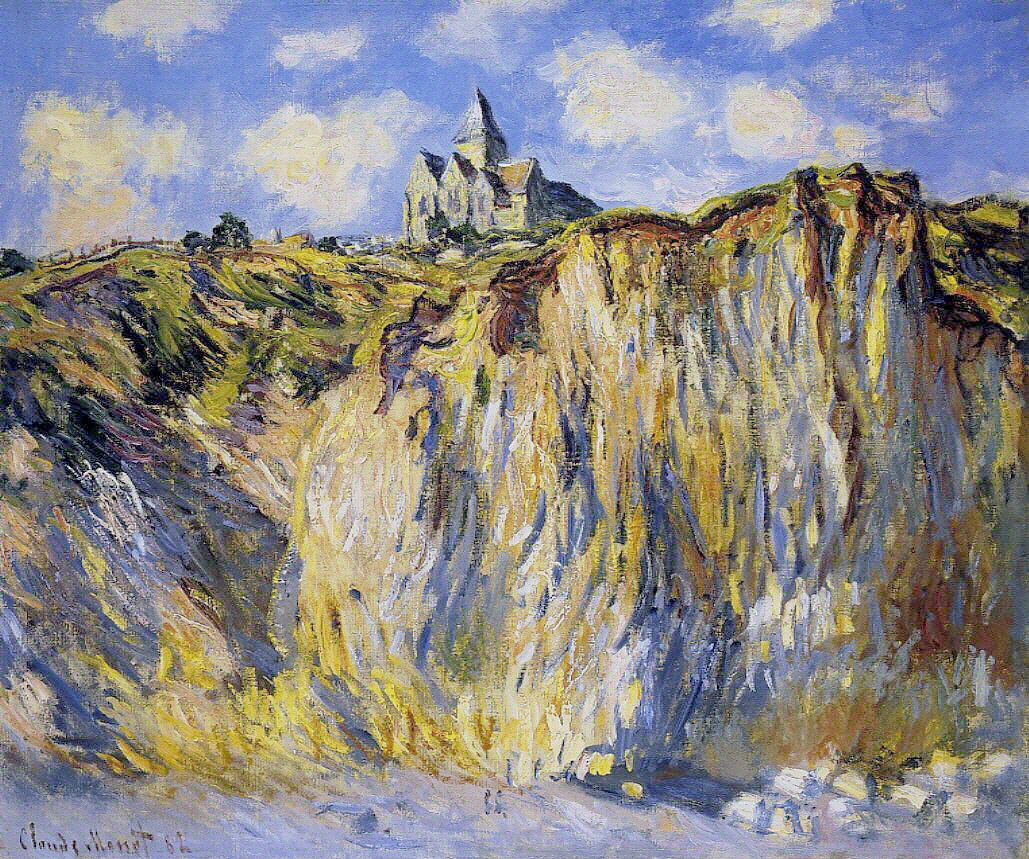
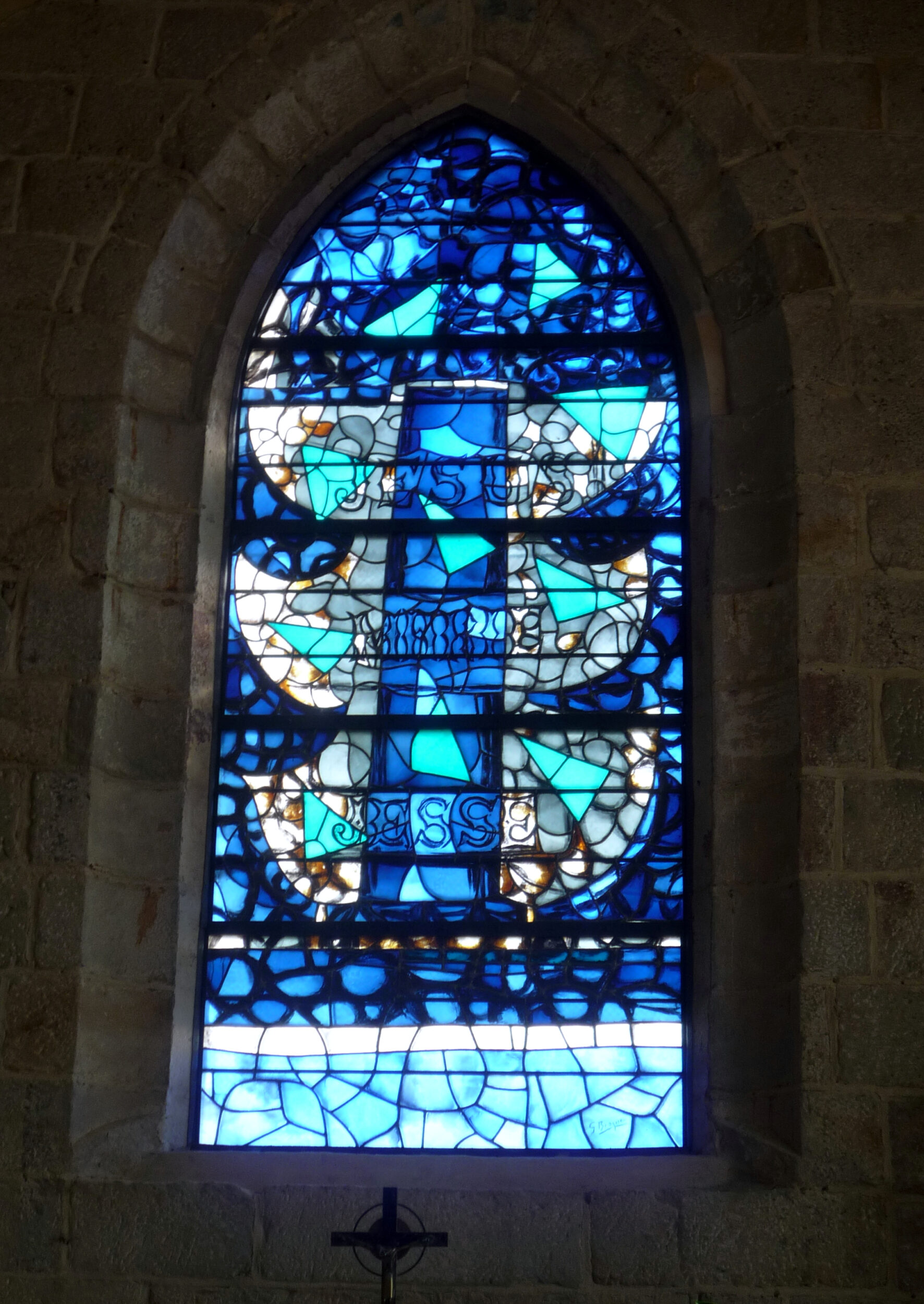
Left: Claude Monet, Église de Varengeville, effet du matin 1882: Right: One of three stained-glass windows by Georges Braque in the Eglise de Varengeville sur Mer. Tree of Jesse, c. 1955
Le Bois des Moutiers: Gertrude Jekyll & Edwin Lutyens
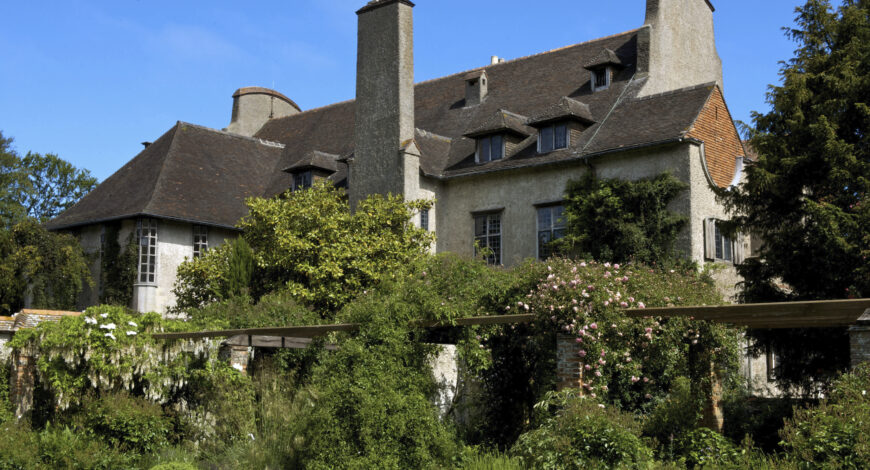
In 1898, Guillaume Mallet acquired a dramatic coastal valley overlooking the English Channel, then an almost untouched landscape on the Alabaster Coast. Inspired by the gardens he had admired during his youth in England, particularly on the Isle of Wight, he envisioned a country estate that would unite architecture, landscape, and the surrounding scenery into a single artistic composition. To realise this ambition, he commissioned the celebrated English garden designer Gertrude Jekyll to create the gardens and entrusted the design of the house to the young architect Edwin Lutyens. Their collaboration produced one of the finest and rarest examples in France of the Arts & Crafts movement and the tradition of architectural gardening.
Set within a 12-hectare estate, the manor house and gardens were conceived as an inseparable whole. Lutyens designed the house as a work of art in itself, paying meticulous attention to every architectural detail, from ironwork and woodwork to the careful balance of horizontal and vertical lines. The building appears to emerge naturally from the landscape, its walls and terraces extending into the surrounding gardens, while its interiors frame carefully composed views of the park and the sea. Every room forms part of a carefully orchestrated journey linking architecture with nature.
Gertrude Jekyll’s gardens unfold across seven terraces surrounding the house, each conceived as a distinct “garden room” with its own atmosphere, colour palette, textures, and fragrances. Her celebrated mastery of planting is evident in the harmonious combinations of flowers, shrubs, and trees, where subtle contrasts and seasonal succession create a constantly changing display. Beyond these formal gardens, the park descends naturally towards the sea, blending cultivated landscapes with existing woodland and natural vegetation.
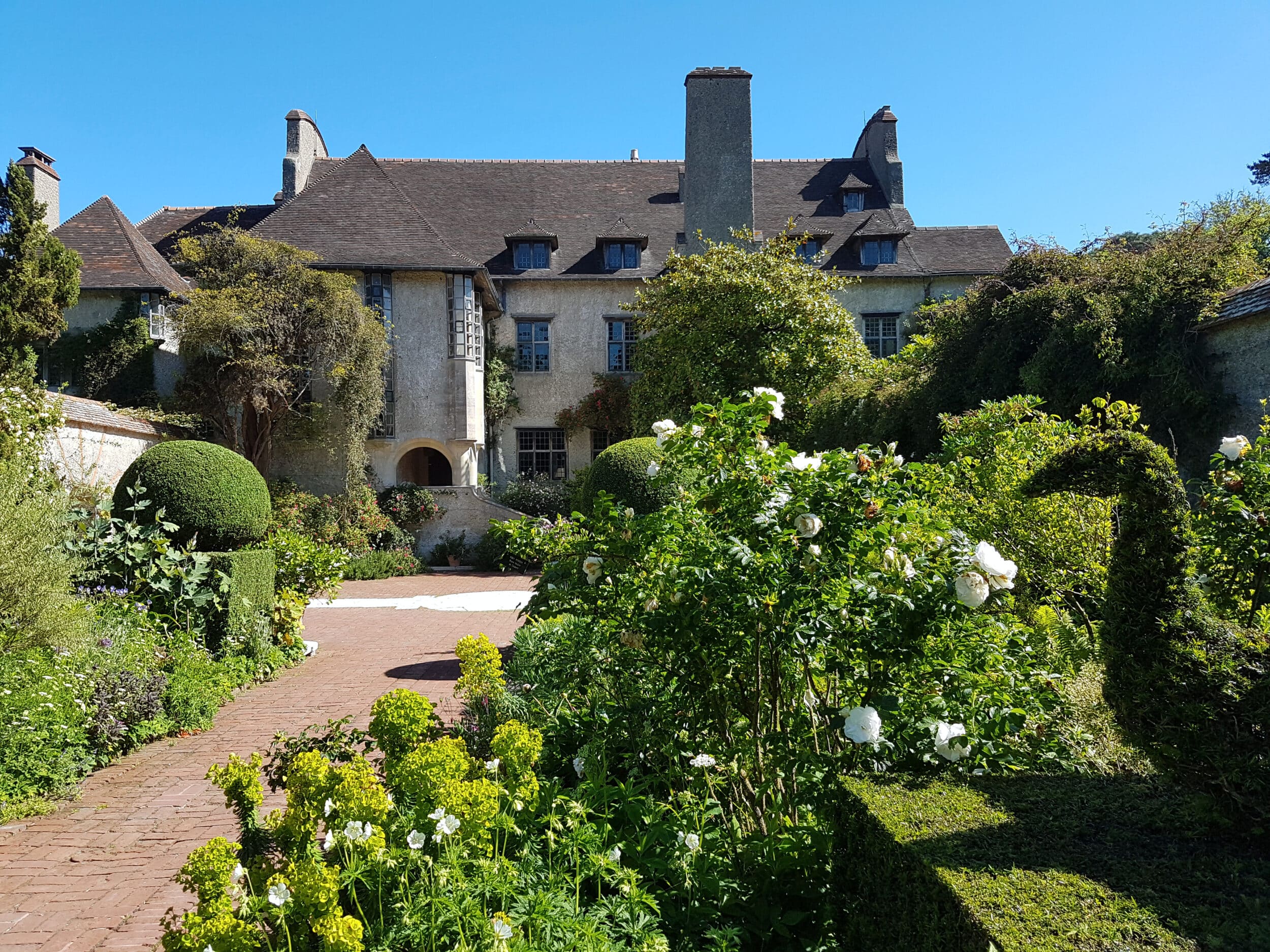
The estate also became an extraordinary botanical collection. Thanks to the region’s mild climate and acidic soils, Mallet was able to introduce remarkable species from around the world, including Atlas cedars, Himalayan rhododendrons, Chinese and Turkish azaleas, Chilean eucryphias, Japanese maples, and magnolias. These exotic plants were carefully integrated with native vegetation, creating landscapes that appear entirely natural while reflecting Jekyll’s refined understanding of colour, mass, and light. The gardens continually interact with the shifting coastal light and the soft hues of the sea, giving the estate an ever-changing character.
Its spectacular setting on the cliffs also attracted many of the leading artistic and literary figures of the late 19th and early 20th centuries. Painters, musicians, writers, and poets—including J. M. W. Turner, Claude Monet, Pablo Picasso, Auguste Rodin, Claude Debussy, Maurice Ravel, Virginia Woolf, Jean Cocteau, André Gide, and Marcel Proust—visited the estate, making it not only a masterpiece of landscape design but also an important centre of artistic and intellectual life.
Le Bois de Morville: The Masterpiece of Pascal Cribier
Le Bois de Morville is widely regarded as the masterpiece of the celebrated French landscape architect Pascal Cribier (1953–2015), one of the most influential figures in contemporary garden design. Cribier, along with owner Éric Choquet and gardener Robert Morel, created the design and layout of the garden through decades of colossal, meticulous earthworks, and hand-dug kilometres of drains to tame the swampy woodland. These furrows now form lush green islands and distinct botanical spaces.
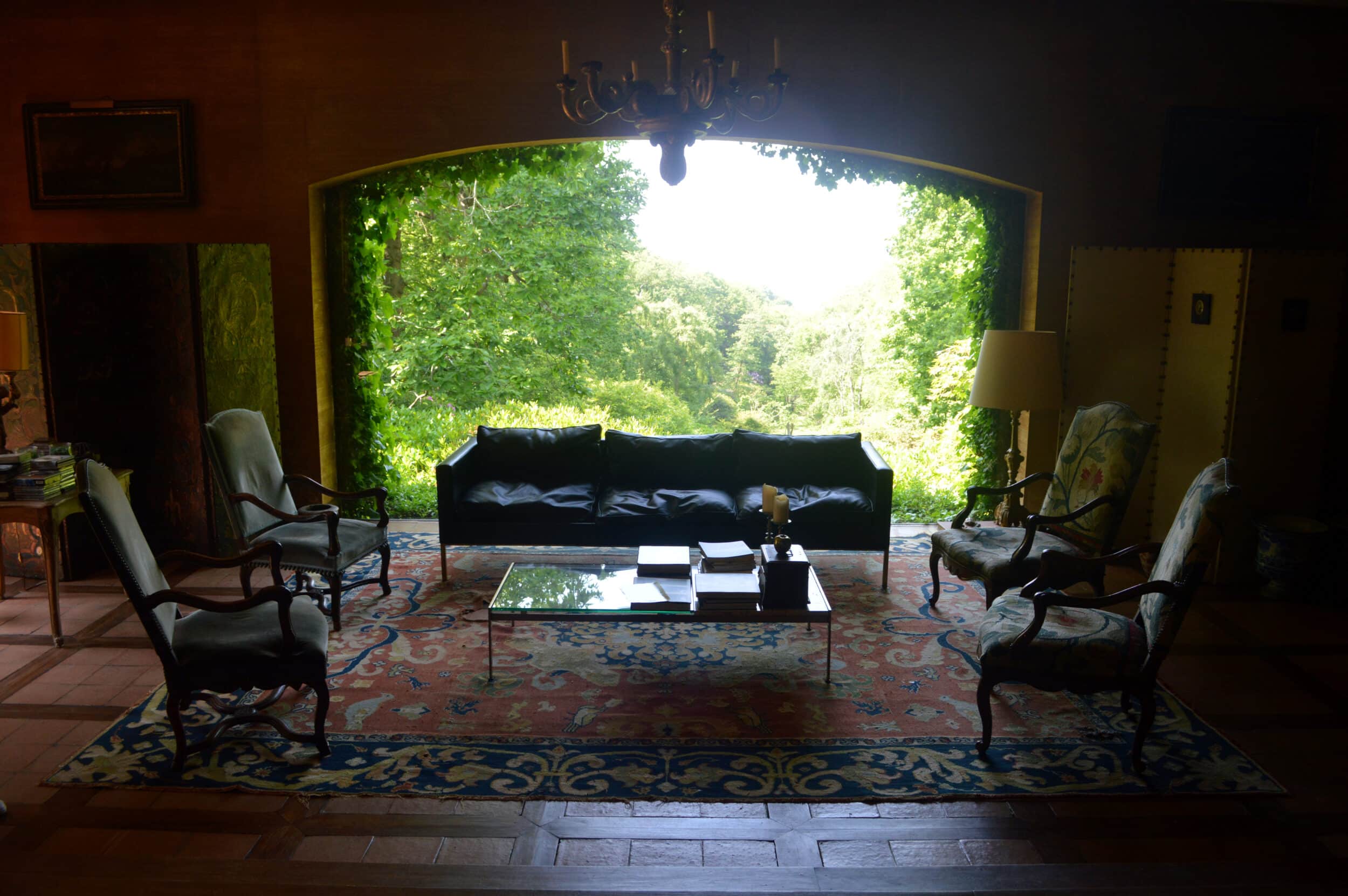
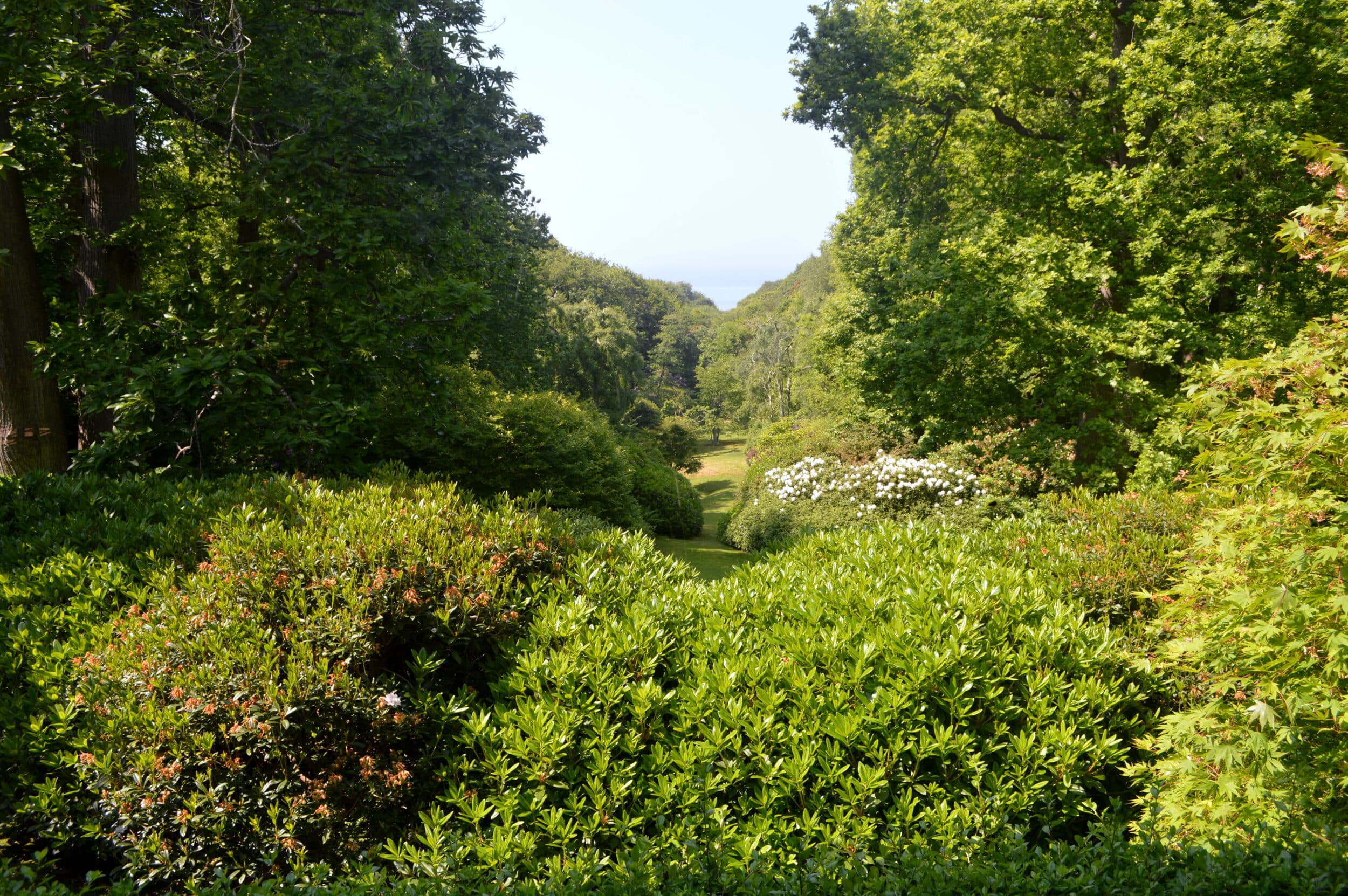
Rather than imposing a formal design upon the site, Cribier chose to reveal and enhance its natural qualities. Set within a wooded valley, the garden is built around an intimate understanding of topography, light, water and vegetation. Existing trees were carefully preserved, selectively thinned and skilfully pruned to create a succession of spaces where woodland, meadows, and clearings flow naturally into one another. Every opening, vista and pathway appears effortless, yet each has been meticulously composed.
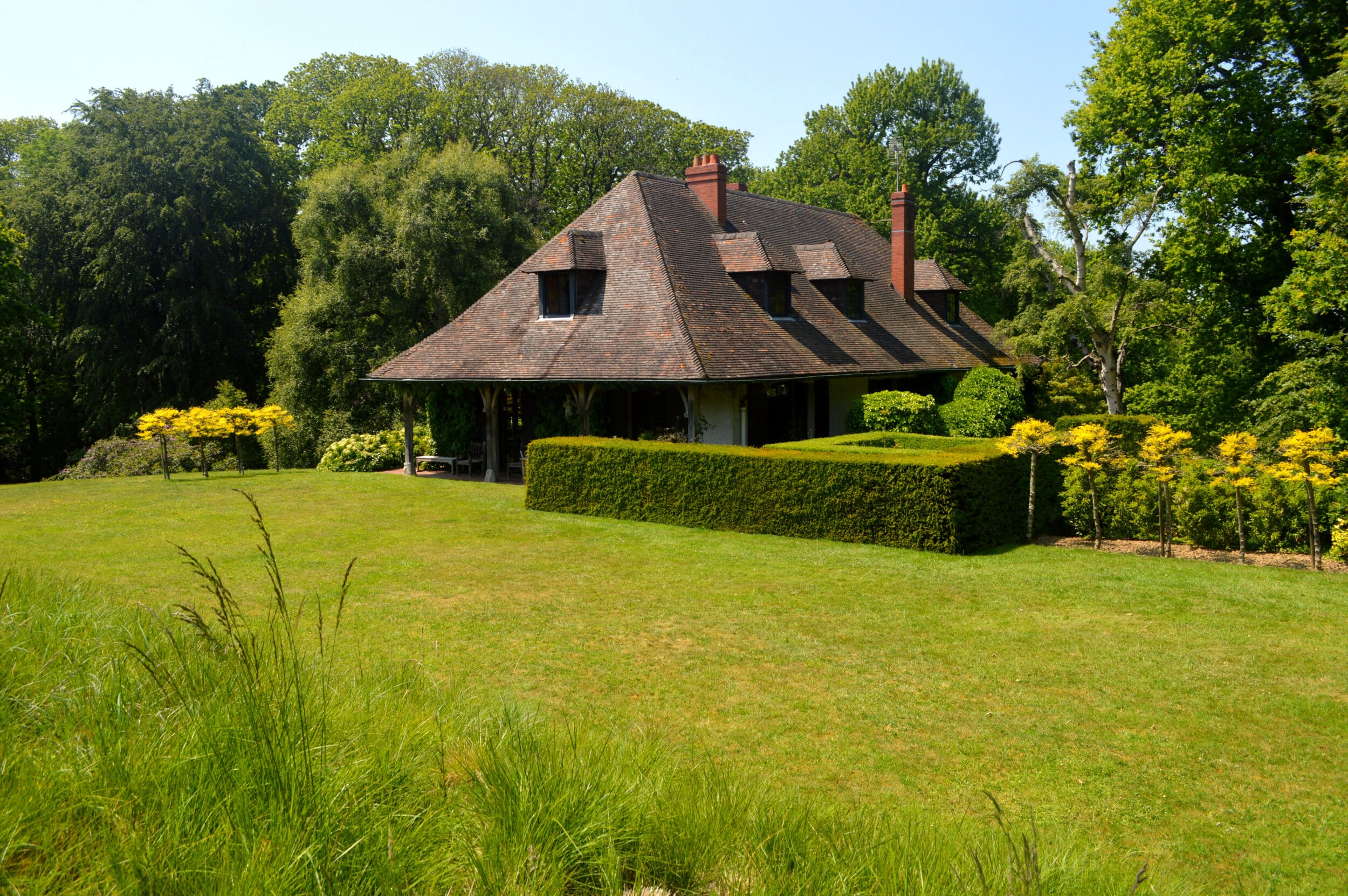
Cribier believed that a successful garden should never dominate nature but instead reveal the inherent beauty of a place. His celebrated techniques, including the delicate pruning of mature trees to admit light beneath their canopies, create remarkable transparency throughout the woodland and allow seasonal changes to become an essential part of the garden’s character. The result is a landscape that feels timeless and spontaneous, despite the extraordinary level of thought behind every detail.
Although Le Bois de Morville contains many beautiful and unusual trees, shrubs and herbaceous plants, botanical rarity is never an end in itself. Instead, plants are chosen for the way they contribute to the atmosphere of the garden through their structure, texture, colour and seasonal rhythm. Every composition reflects Cribier’s conviction that gardens are living works of art, continually evolving with time.
Today, Le Bois de Morville stands as one of the defining achievements of modern French landscape design—a garden whose quiet elegance, ecological sensitivity and artistic vision continue to inspire gardeners and landscape architects around the world.
L’Étang de Launay by Jean-Louis Dantec
A garden has to be beautiful twelve months of the year. Such is the mantra of former antique dealer Jean-Louis Dantec who designed and fashioned L’Étang de Launay, a 7-hectare estate containing thousands of rare and spectacular species.
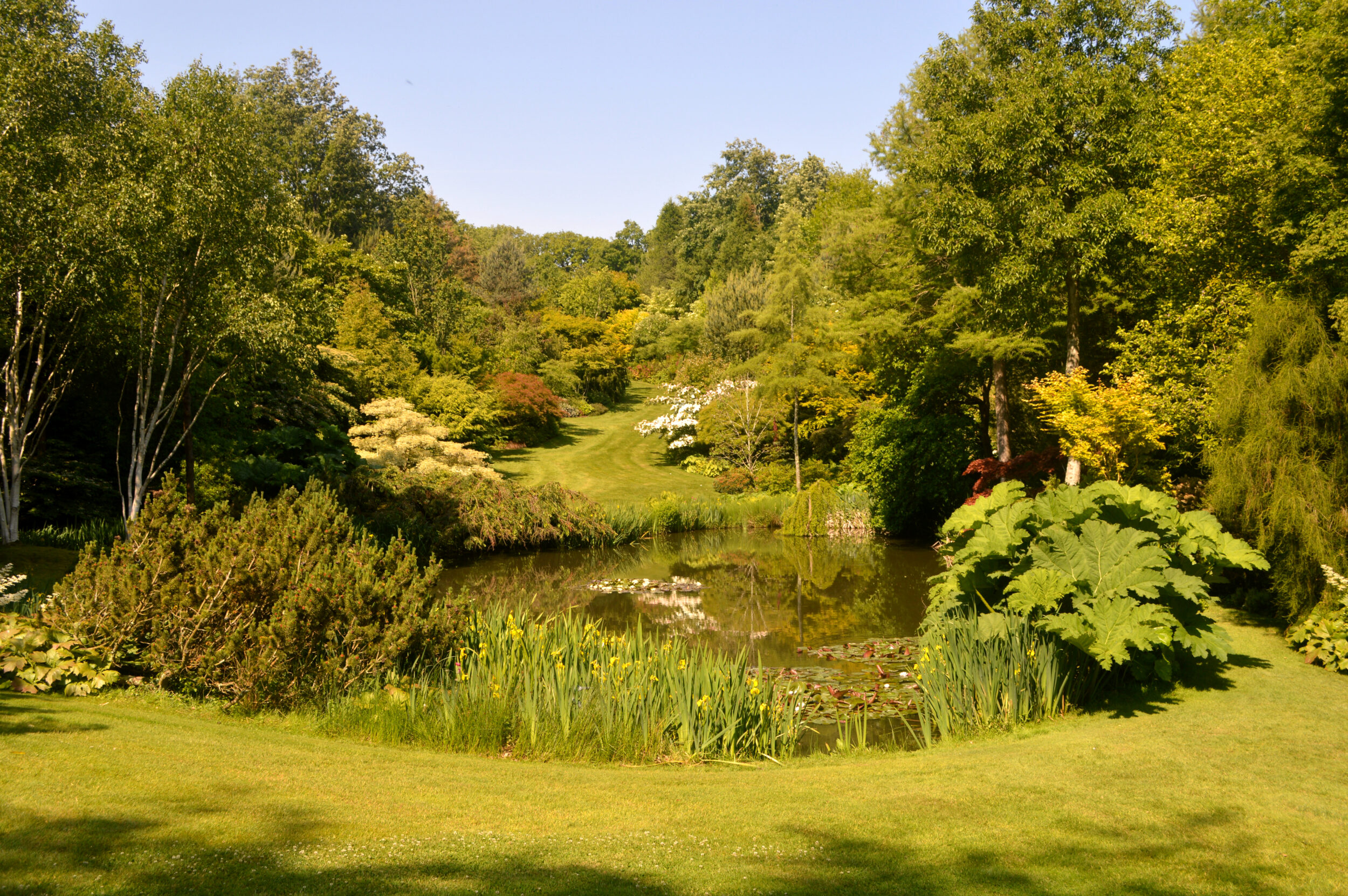
It began in the early 1990s on a previously open, windswept and marshy site. Dantec gradually transformed the landscape into a large-scale woodland garden of ponds, valleys and planted slopes. He reshaped the terrain, creating several water bodies, including the large pond (étang) that gave the garden its name, and established windbreaks and structural tree planting to stabilise the exposed coastal conditions.
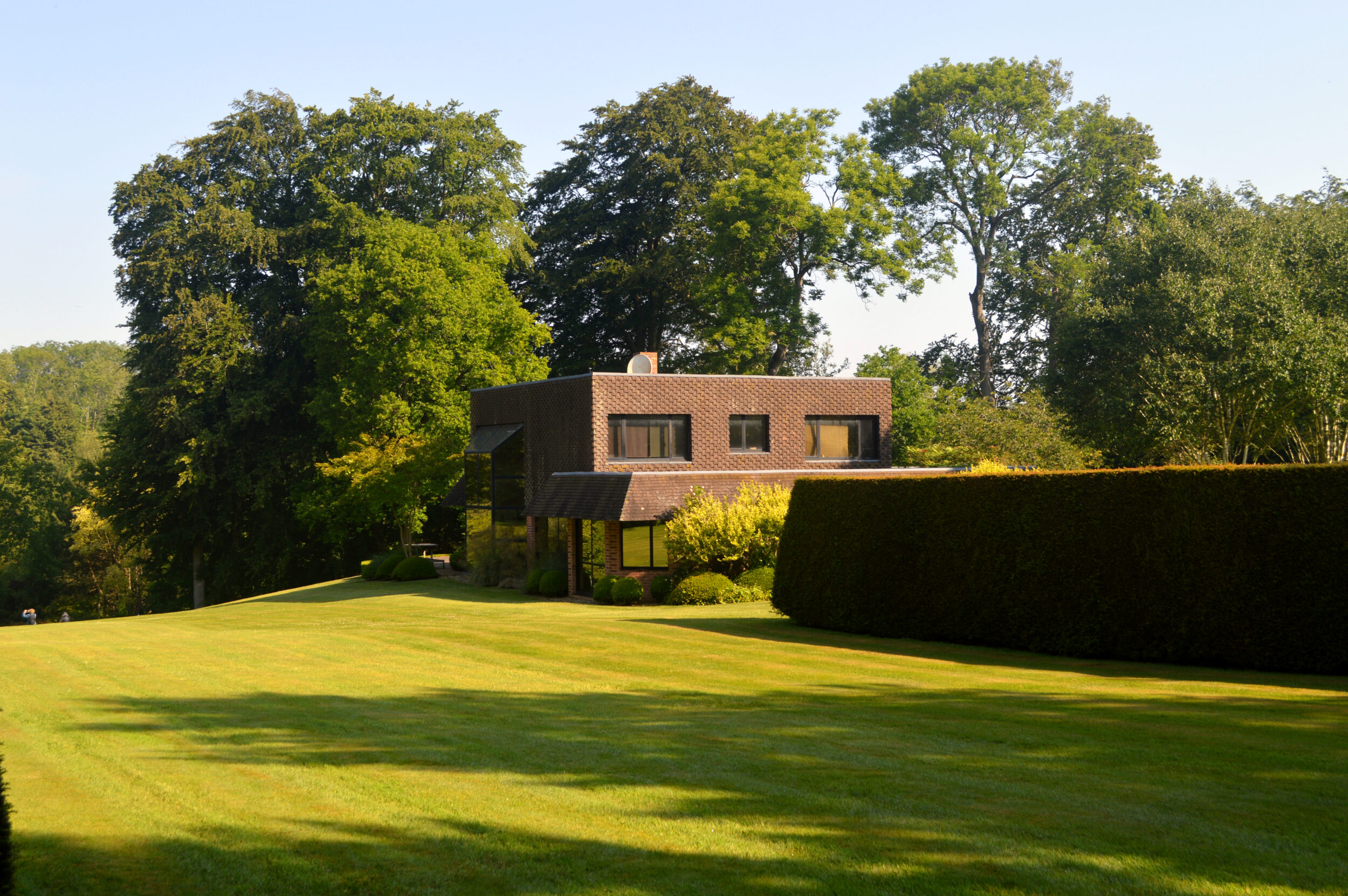
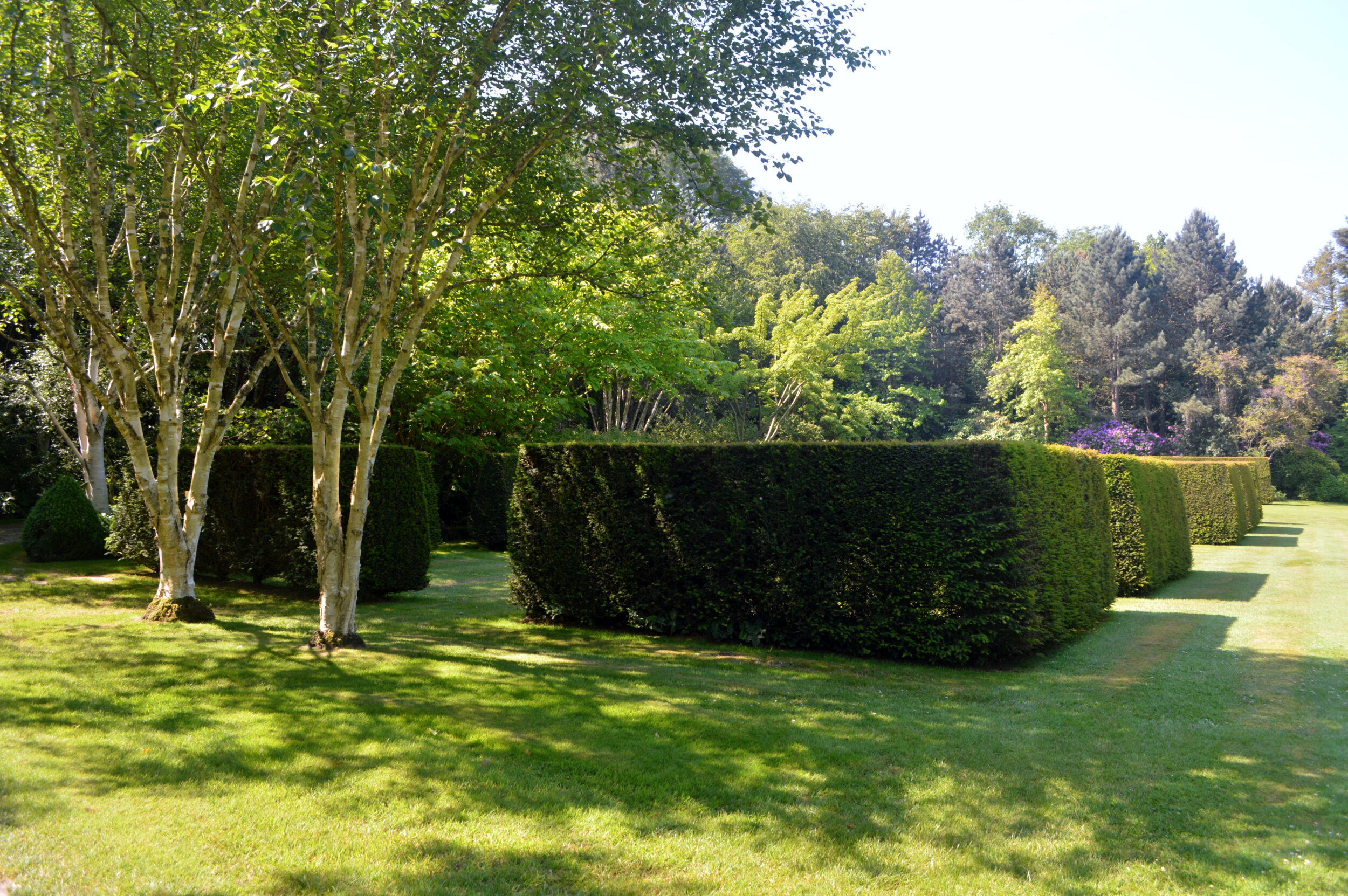
What makes the garden distinctive is its strong emphasis on structure, seasonal contrast and bark/foliage effects, rather than formal design or floral display alone. The planting is dominated by a rich palette of woody species: especially birches, maples, magnolias, prunus, hydrangeas, hamamelis, stewartias and conifers, carefully selected for their behaviour in Normandy’s cool, humid maritime climate.
The design is also closely linked to movement through the landscape: paths follow natural slopes and water lines, revealing successive “scenes” around ponds and glades. The influence of nearby major gardens, particularly Le Vasterival, is often noted, and Dantec himself has acknowledged the importance of exchanges with Princess Greta Sturdza during the garden’s development.
Today, L’Étang de Launay is regarded as one of the most significant private woodland gardens in France. It is frequently described as a botanical landscape shaped by a collector’s eye and an artist’s sense of composition, where ecological conditions, plant diversity and spatial design are tightly interwoven.
Le Jardin du Vastérival by Princess Greta Sturdza
Since its acquisition in 1955, Le Vasterival has become one of Europe’s most remarkable landscape creations, the fruit of over half a century of passionate work by the late Princess Greta Sturdza. From a marshy valley and a bramble-choked wood, she gradually shaped a garden where botany, aesthetics, and horticultural experimentation blend harmoniously.
In the 1960s, she undertook the clearing of the woods and planted an exceptional collection of rhododendrons, azaleas, camellias, and rare trees, thriving in the naturally acidic soil. The first plants (Rhododendron halopeanum and R. griffithianum) were donated by Guillaume Mallet of Bois des Moutiers. The following decade saw the development of the valley and the stream, whose banks are now home to magnolias, maples, giant ferns, and other wetland plants. The 1980s were dedicated to the opposite slope, enriched with dogwoods, conifers, witch hazels, cherry trees, and hydrangeas, where the transparency of the pruning highlighted the trees’ architecture.
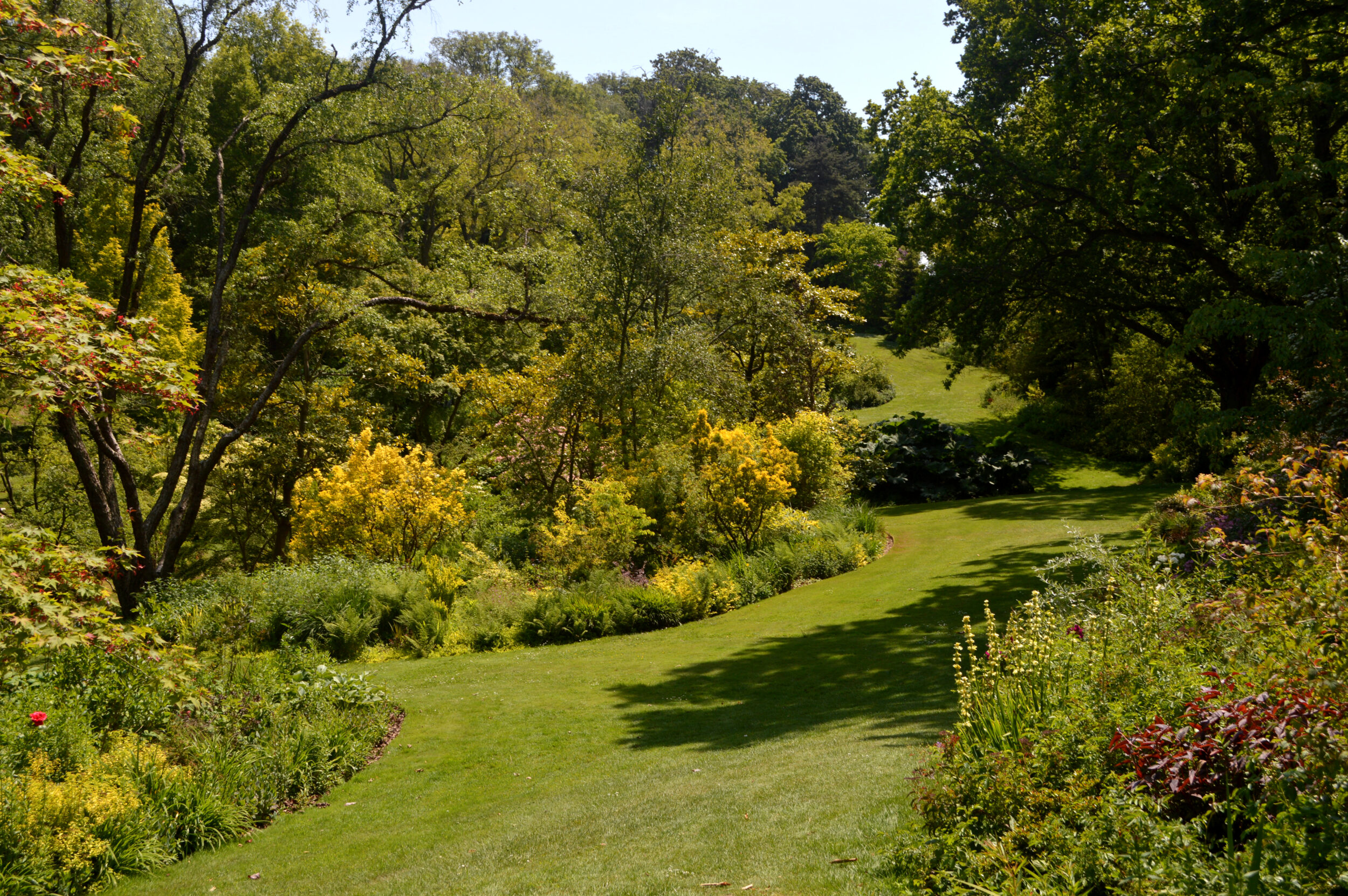
After the storm of the early 1990s, which felled nearly two hundred trees, the Princess turned this ordeal into an opportunity. She replanted with numerous horticultural innovations: magnolias, maples, hydrangeas, rare conifers, and trees with decorative bark. The 2000s marked the expansion of the garden by an additional two hectares, where vast collections of hellebores, Japanese maples, dogwoods, magnolias, and hydrangeas were established, arranged with a remarkable mastery of colour, texture, and seasonal blooms.
Since 2010, the garden has continued to evolve in accordance with its creator’s vision. Clearings bring new light and perspective to the plantings, while new collections of shade-loving plants, ancient conifers, and stewartias further enrich the plant heritage. A scientific inventory is underway to preserve and share the rarest species, and a beehive now contributes to the estate’s biodiversity. More than just a garden, Le Vasterival remains a living laboratory, where each generation continues an exceptional work.
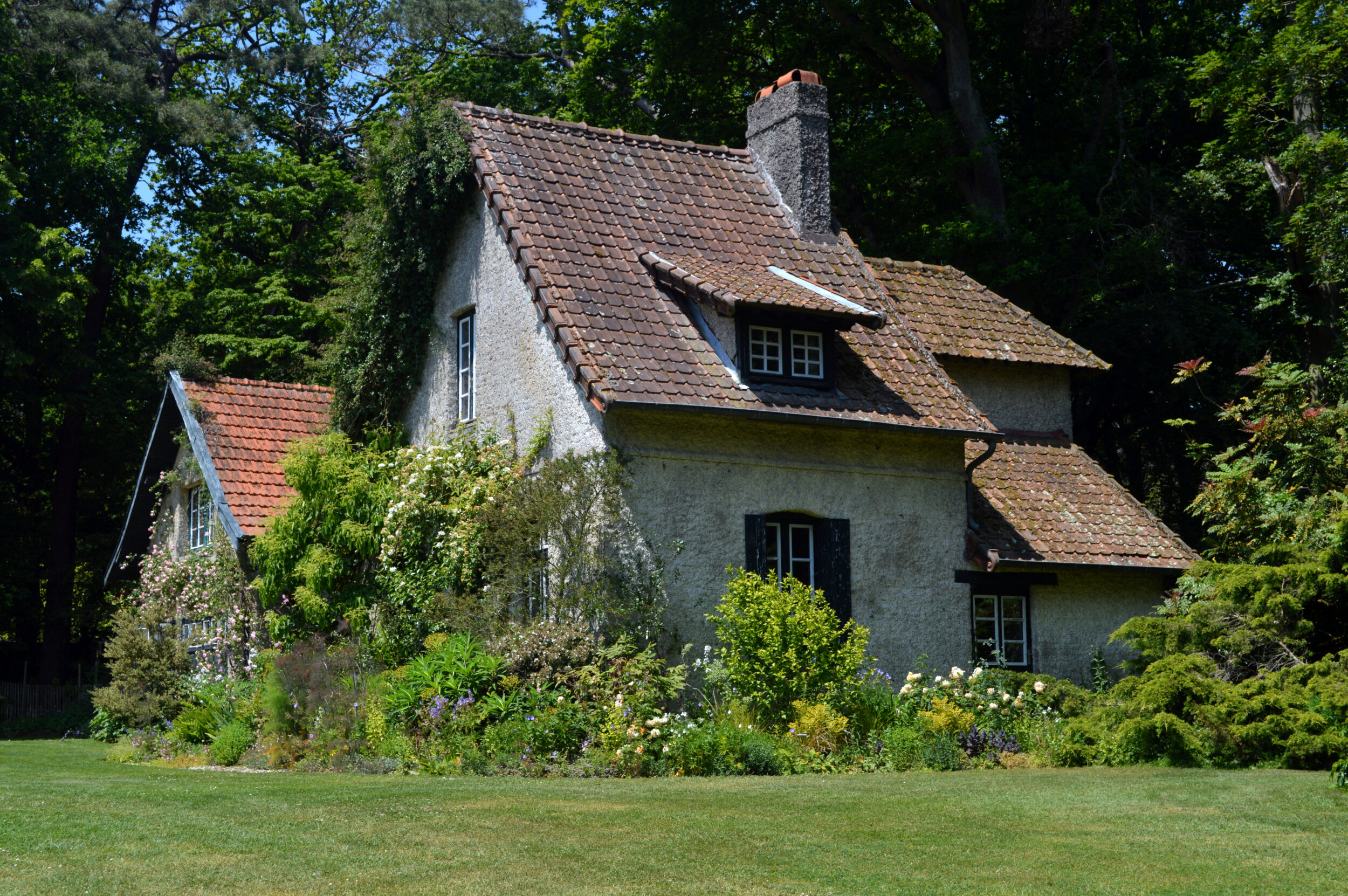
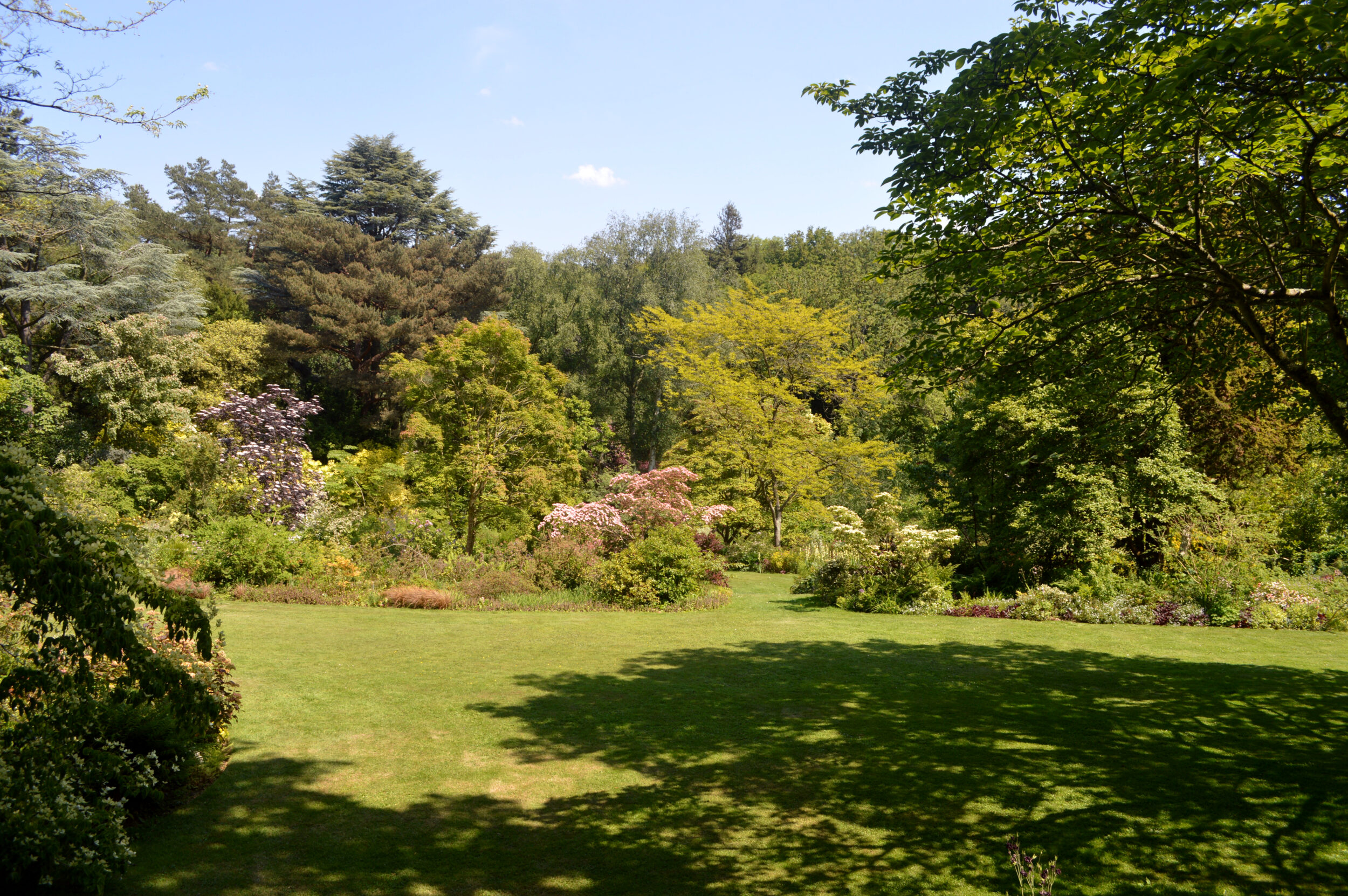
Varengeville-sur-Mer stands as one of the most remarkable concentrations of exceptional gardens in Europe, where landscape, horticulture and artistic vision converge in a unique coastal setting. From the historic romanticism of Le Bois des Moutiers to the experimental refinement of Le Vasterival, and the deeply conceptual woodland of Le Bois de Morville, each garden expresses a distinct interpretation of nature shaped by outstanding creative minds. Set against the dramatic backdrop of the Alabaster Coast, these gardens offer not only botanical richness, but also a profound cultural landscape where the art of gardening reaches an extraordinary level of expression.
Travel to Normandy and witness these incredible gardens on our tour Gardens, Art, Villages & Châteaux of Normandy and Brittany led by Stephen Ryan, with the assistance of Craig Lidgerwood. This tour explores the gardens, art, villages, towns and great monuments of two of France’s most beautiful and historic regions: Normandy and Brittany.
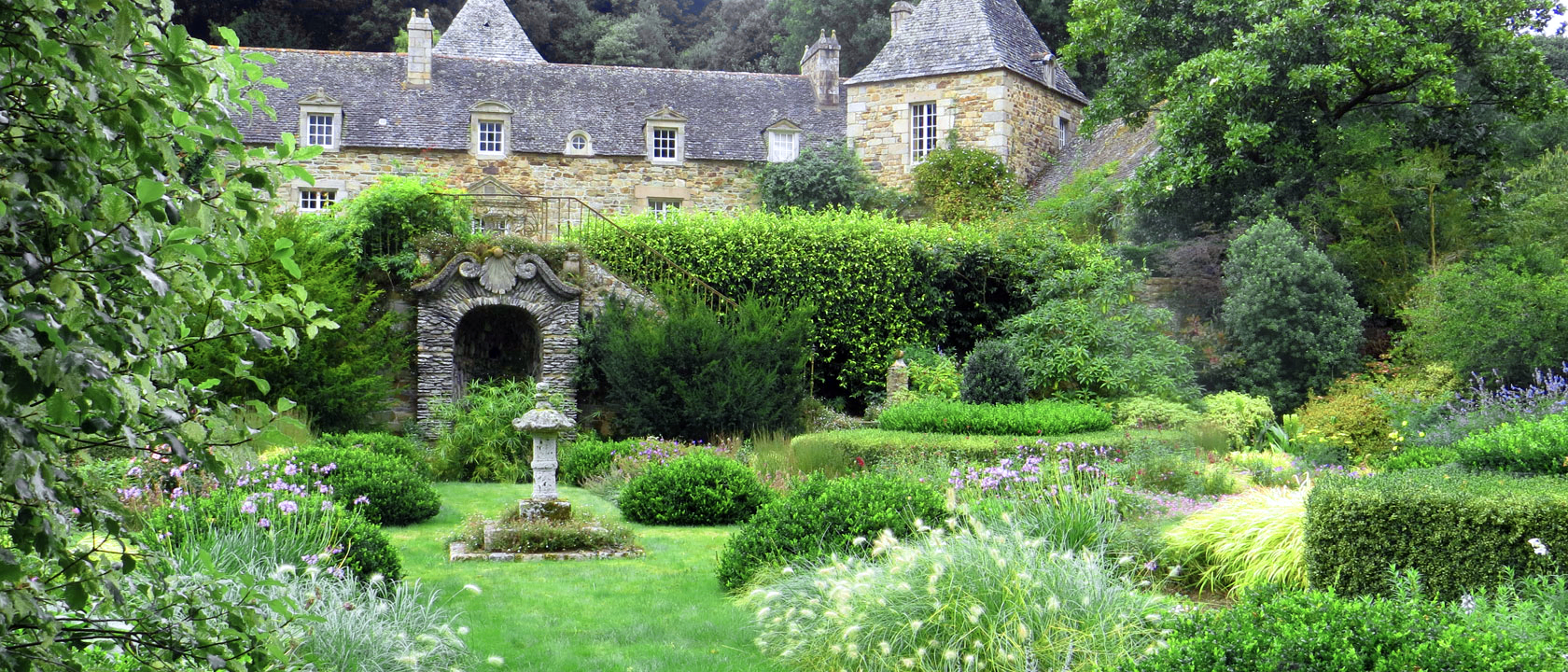 Gardens, Art, Villages & Châteaux of Normandy and Brittany 2027