
Tōfuku-ji Hojo Gardens – A Masterpiece of Zen Modernism
By Jim Fogarty
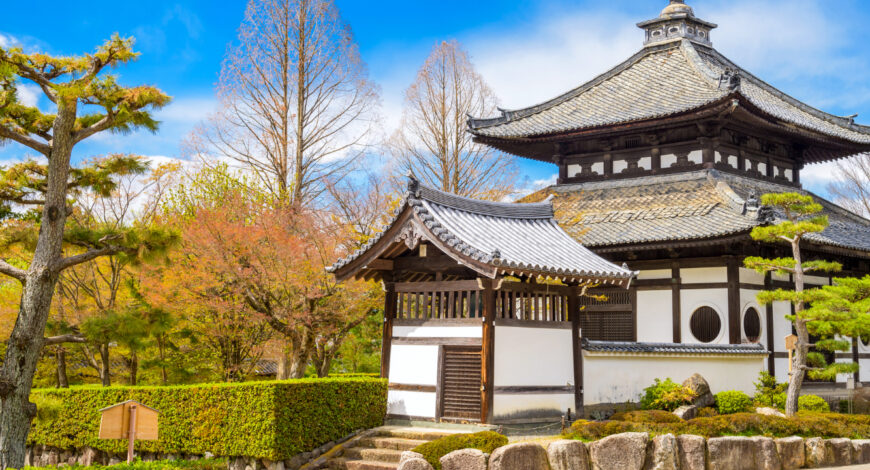
Tōfuku-ji, founded in 1235 by the powerful Fujiwara clan, is one of Kyoto’s great Zen temples. Its Hojo gardens, the four gardens surrounding the Abbot’s Hall, embody a deeper story of creativity, symbolism, and the modern evolution of Japanese design. The current Hojo was rebuilt in 1890 after the original was destroyed by fire. In 1939, the temple commissioned Shigemori Mirei (1896–1975), a trained graphic designer and landscape artist, to redesign the surrounding gardens. At the time, the temple was heavily in debt and could not afford to pay him. Mirei accepted the commission on the condition that he would work for free but have complete creative freedom. It was a bold gamble that defined his career. His gardens at Tōfuku-ji were his first major work in Kyoto and remain his most famous—an inspired blend of Zen tradition and modern abstraction.
The South Garden – Motion and Stillness
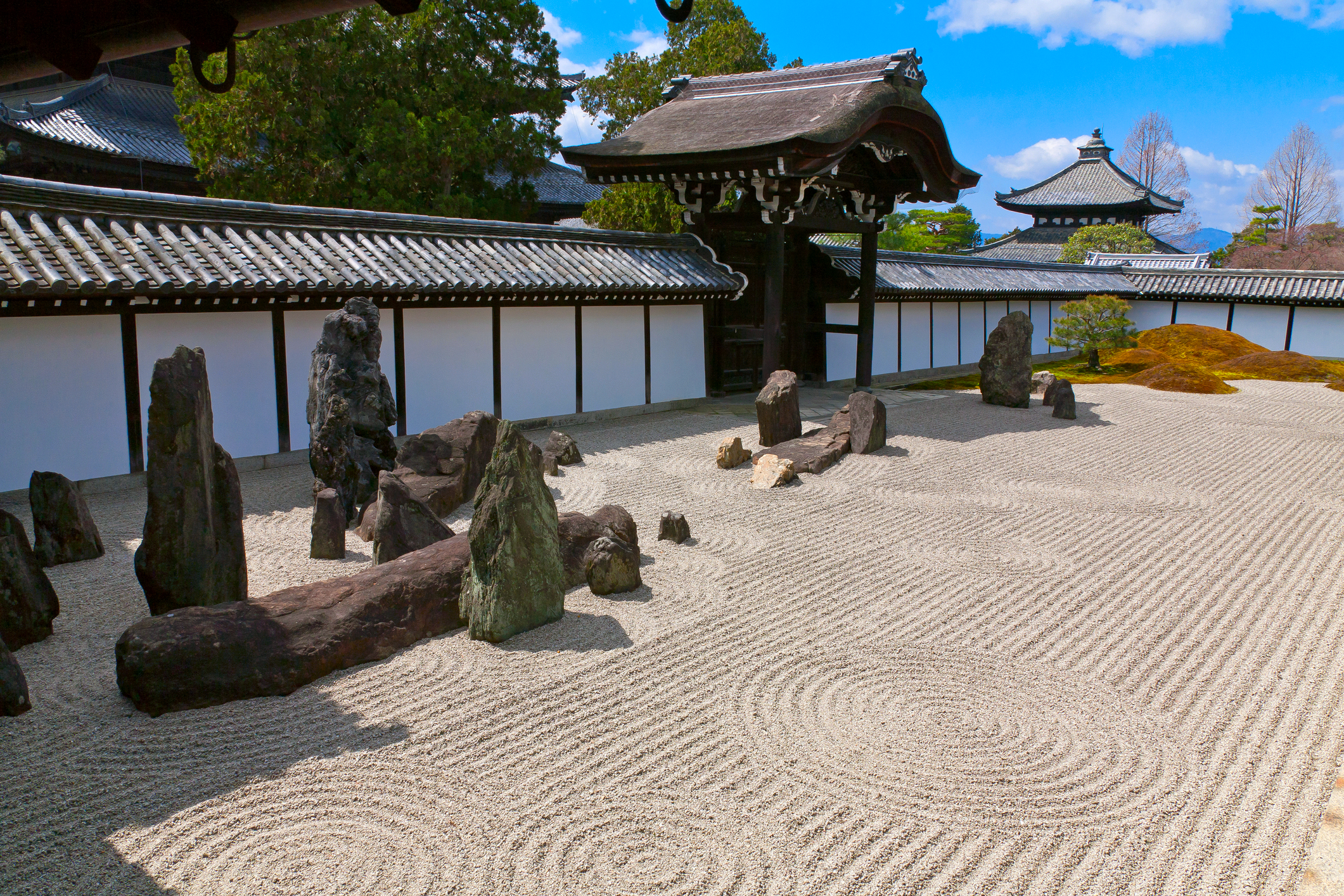
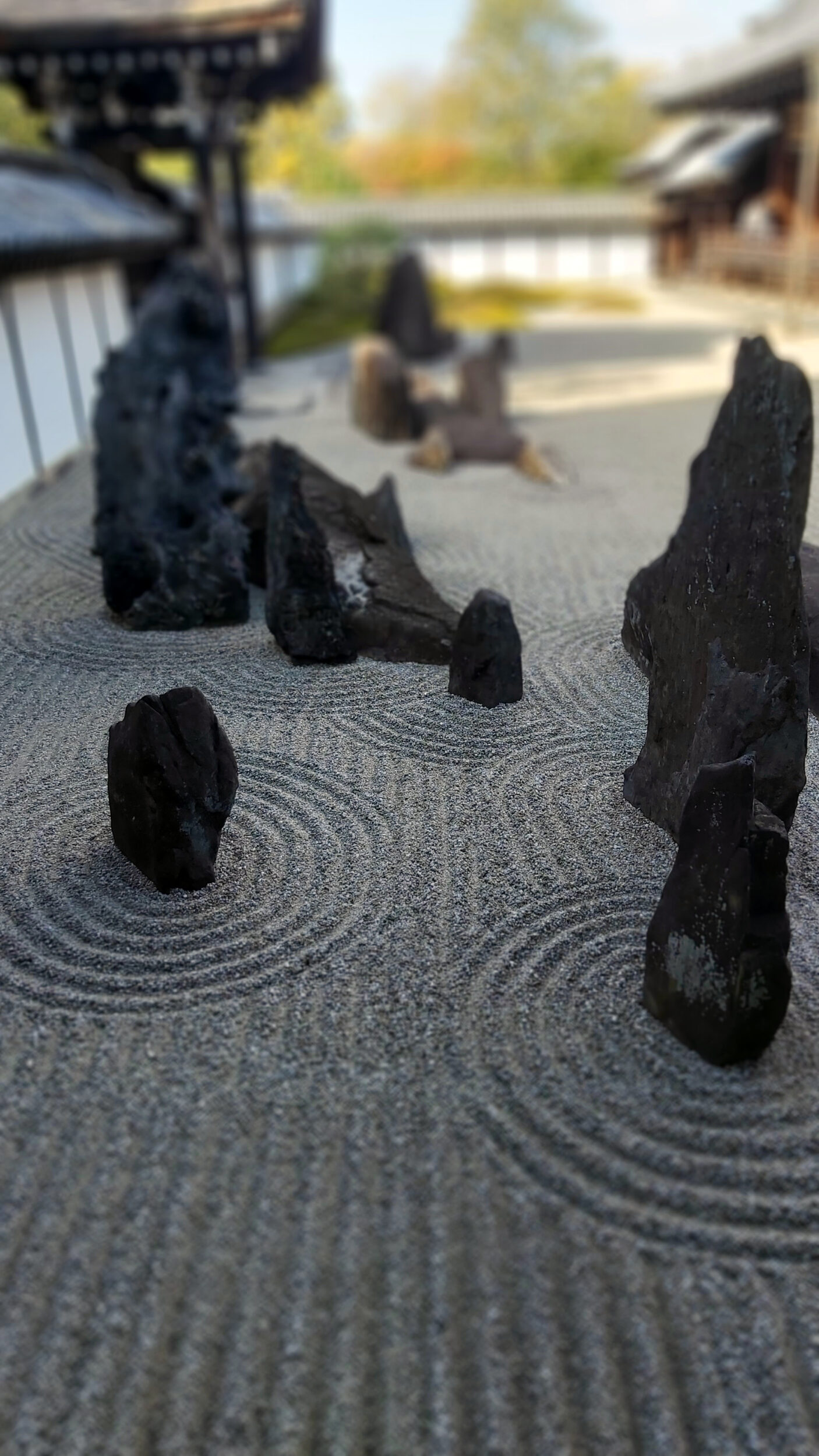 The South Garden is the most striking of the four. Here, Shigemori reinterpreted the traditional karesansui (dry landscape) style with a bold use of large-scale rocks and minimal planting. The design centres on a composition titled “Horai,” a reference to the mythical island of immortals in Taoist legend.
To the left, four clusters of massive stones represent the four Elysian islands—Horai, Hojo, Eiju, and Koro—emerging from a sea of raked white gravel. The placement of the rocks evokes mirages shimmering over the sea, suggesting mystery and illusion. The horizontally placed stones convey stillness, while the rising vertical clusters express motion, creating a vivid contrast between stability and energy.
To the west, moss-covered mounds represent Gozan, the five sacred mountains surrounding Kyoto and the five most important temples of the Rinzai Zen sect, including Tōfuku-ji itself. Between these islands and mountains, the gravel is raked in swirling patterns known as Hakkei, symbolising the eight rough seas. Look closely and you’ll notice whirlpool-like rakings that draw the eye inward, a subtle metaphor for spiritual focus.
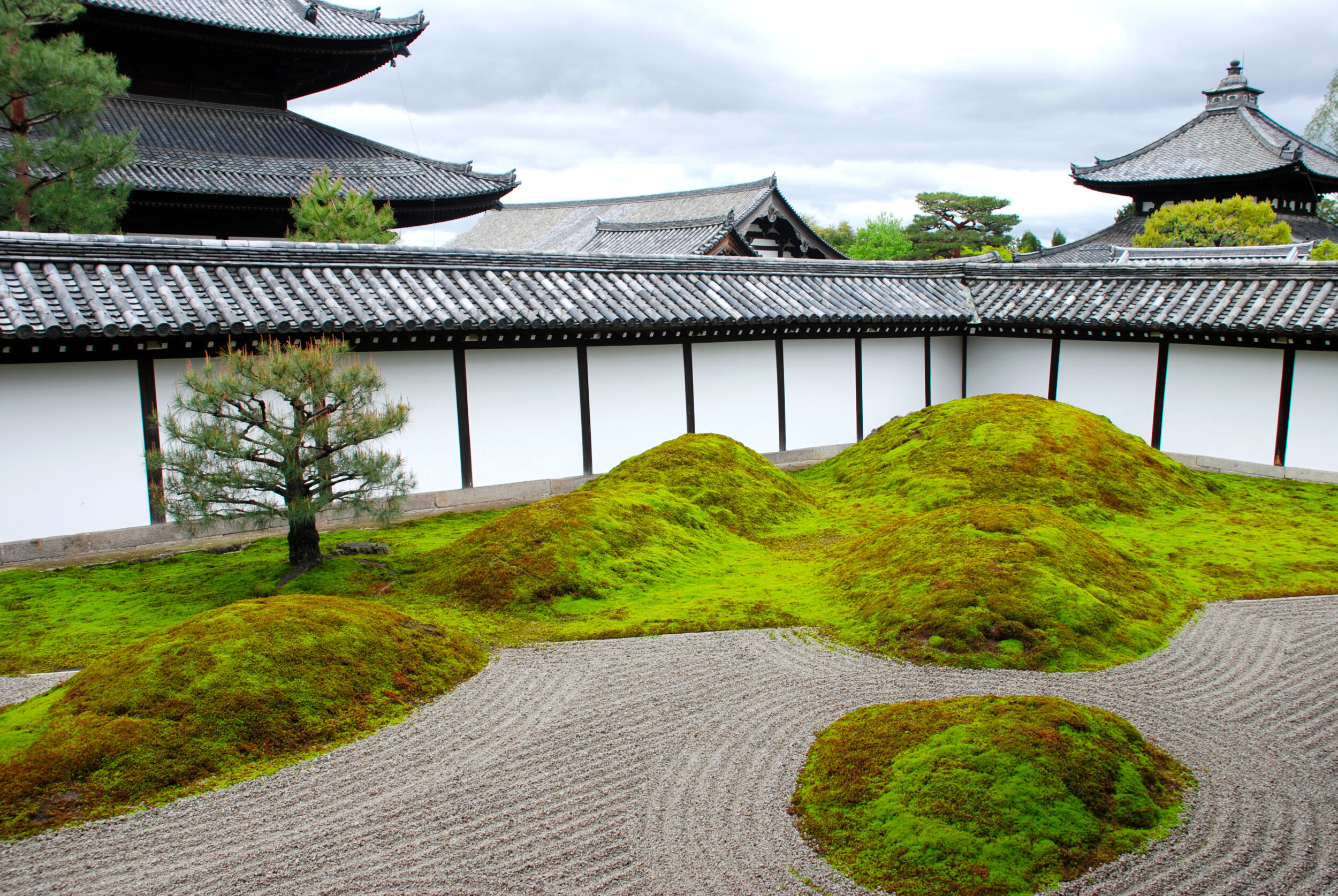
Mirei’s stonework here is far bolder than in earlier Zen gardens. His use of monumental stones suits the scale of the Hojo and the grandeur of the temple precinct. The left side of the garden feels powerful and dynamic, the right side calm and contemplative. A perfect visual balance between yin and yang.
The North Garden – Falling Leaves and Time Passing
Walking around to the North Garden, and the atmosphere changes entirely. Here, Mirei replaced the drama of rock and gravel with quiet geometry and restraint. The garden’s most famous feature is its checkerboard paving, known as the Ichimatsu pattern, traditionally seen in kimono fabrics and screen designs.
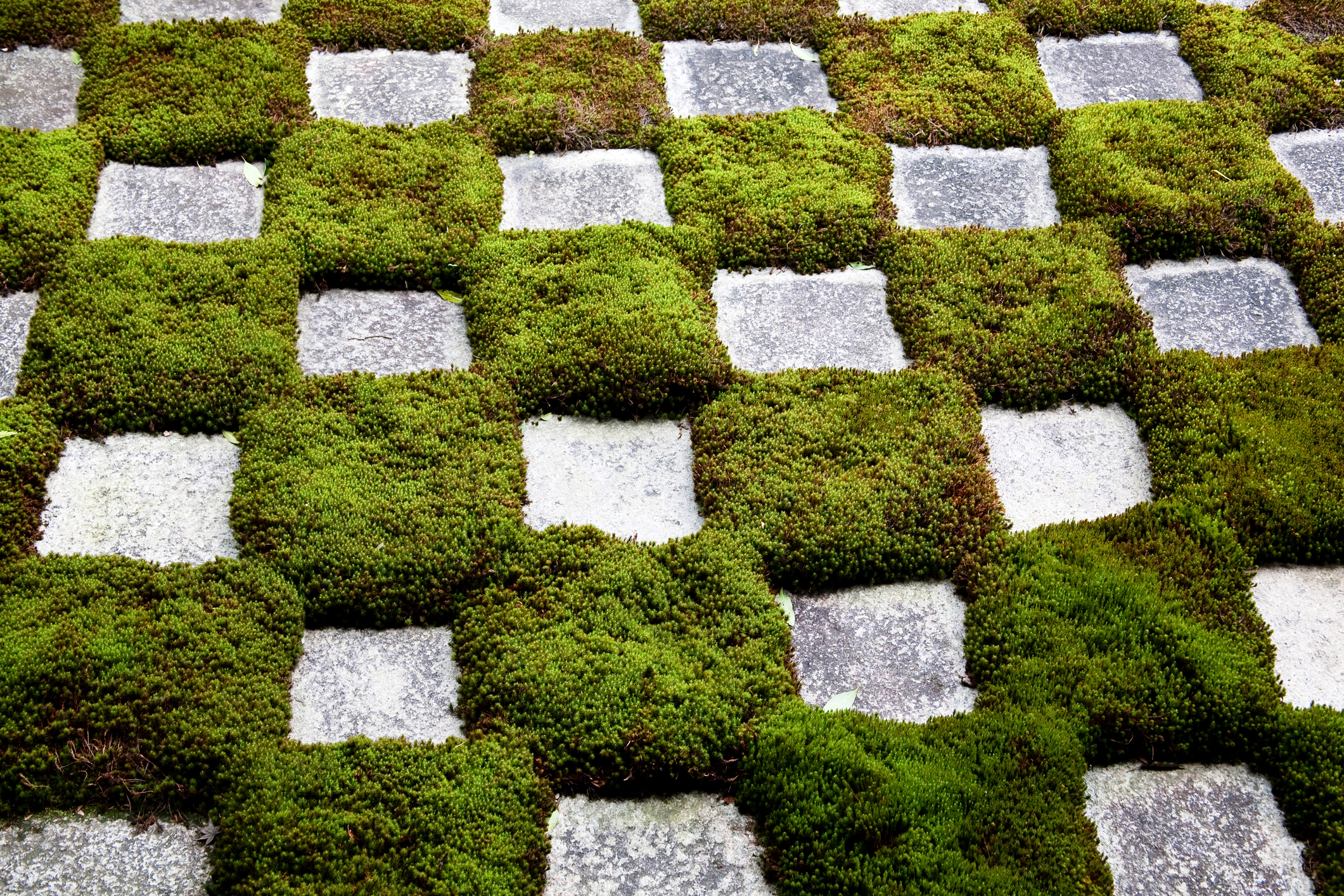
Mirei arranged square stones in a grid that subtly scatters from left to right, suggesting motion in the direction of the viewer’s gaze—consistent with Zen tradition, which reads movement from the heart outward. Between the paving stones, cushions of moss soften the geometry and bring the garden to life.
Mirei explained that he believed autumn leaves were most beautiful when they were falling. The checkerboard design, therefore, represents leaves descending from the maples behind the garden. An abstract depiction of transience and impermanence, key themes in both Zen and Japanese aesthetics.
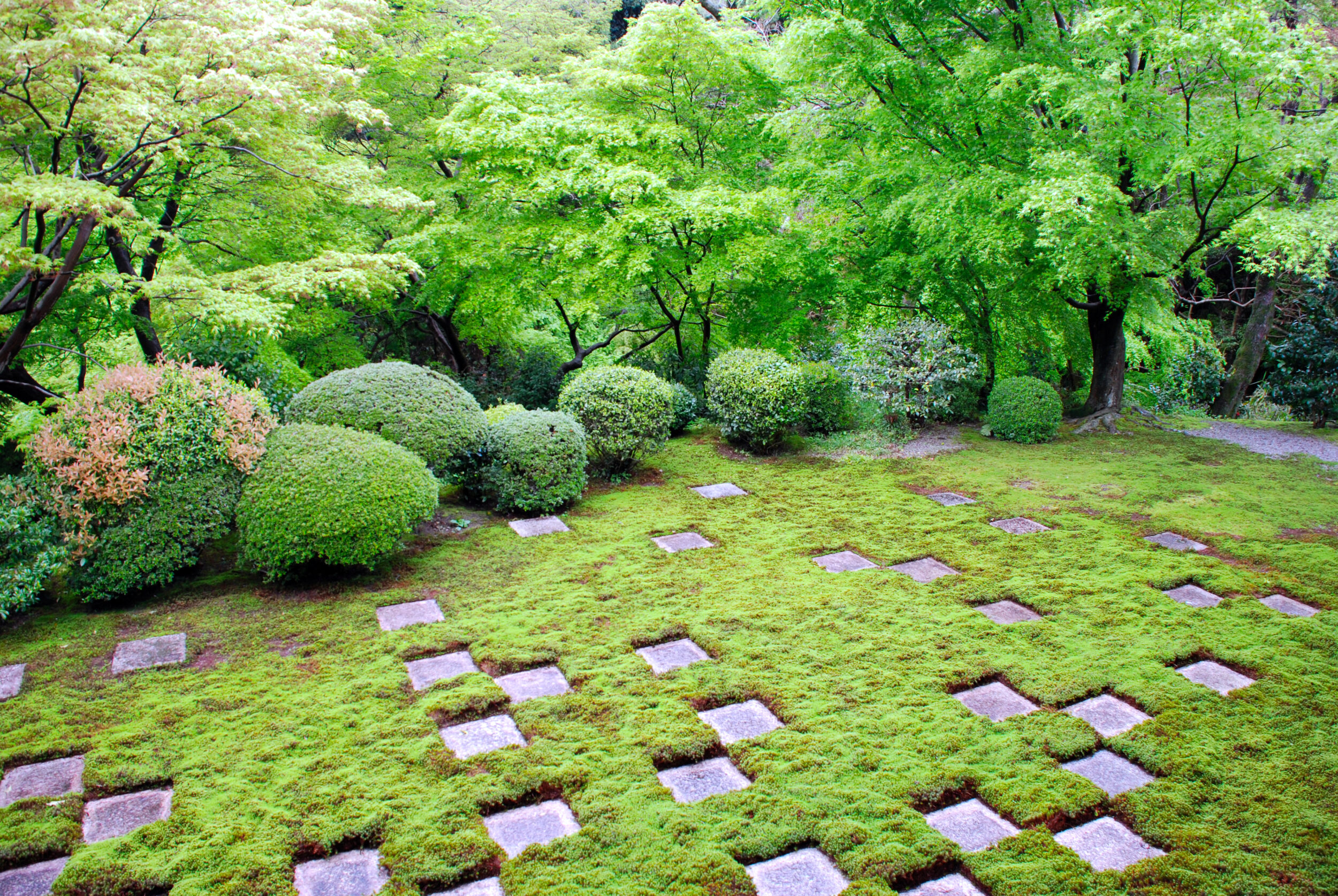
To the right, the paving stones gradually thin and blend into pure moss, harmonising with the natural landscape beyond. A few square stones at the edge subtly complete the scene, as if the design is dissolving into nature. True to Zen principles, nothing was wasted. Mirei reused old foundation stones from the temple’s front gate for the paving.
At the time, the North Garden provoked controversy. Some critics saw it as too modern or Western-influenced, overlooking the fact that the Ichimatsu motif has deep Japanese roots. Today, it is recognised as the work that broke the mould of the traditional Japanese garden, introducing modern design language without losing spiritual depth.
A Legacy that Endures
Together, the South and North gardens of the Tōfuku-ji Hojo form a dialogue between motion and stillness, tradition and innovation, abstraction and nature. Mirei Shigemori’s genius lay in understanding that Zen gardens were not static relics of the past but living expressions of the age in which they were made.
More than eighty years later, his work still feels strikingly contemporary. The gardens invite contemplation, not only of their beauty but of the passage of time, the value of imperfection, and the seamless blending of art and philosophy.
Visiting these gardens with a guide offers a rare opportunity to look beyond the surface. To see how placement, proportion, and symbolism work together to create meaning. From the vast, dynamic rock formations of the South Garden to the quiet, meditative rhythm of the North, each space reflects a different state of mind within the Zen tradition.
Mirei Shigemori is one of my favourite Japanese garden designers, who had the incredible ability to link the timeless calm of heritage Zen design with the creative daring of modern art. Join me for a journey into the heart of Kyoto’s Zen garden design at Tōfuku-ji, a temple where ancient tradition meets modern artistic vision.
Travel with Jim Fogarty, award-winning landscape architect and author, and one of Australia’s most knowledgeable experts on Japanese gardens. He won the award for Best Design at the 2009 World Garden Competition in Shizuoka Prefecture, and Gold and Best in Show at the 2011 Gardening World Cup Nagasaki. Over many years Jim has carried out his own research into Japan’s most iconic gardens uncovering layers of fascinating history not widely known, and has a passionate interest in contemporary influences of Japanese garden design.
View our various tours to Japan:
- Cherry Blossom and the Art of the Japanese Garden
- Autumn & the Art of the Japanese Garden
- Southern Japan: Ancient Forests, Mountain Shrines & the Spirit of the Samurai
- Art, Architecture and History of Japan
- Japan: Architecture and Design
Article Images
Grounds of Tofuku-ji Temple, Kyoto ID 137335375 © Sean Pavone | Dreamstime.com
Tofuku-ji Temple. Photos by Jim Fogarty
Zen Garden design on the Tofuku-ji temple in Kyoto, Japan ID 19637290 © Knet2d | Dreamstime.com
Zen gravel garden in Tofuku-ji temple, Kyoto, Japan ID 19979486 © Knet2d | Dreamstime.com
 Autumn & the Art of the Japanese Garden 2026
  Autumn Gardens and Landscapes in Japan – A Symphony of Colour 2027