
Uzbekistan: Journey Through the Fabled Silk Road
by Sophie Ibbotson
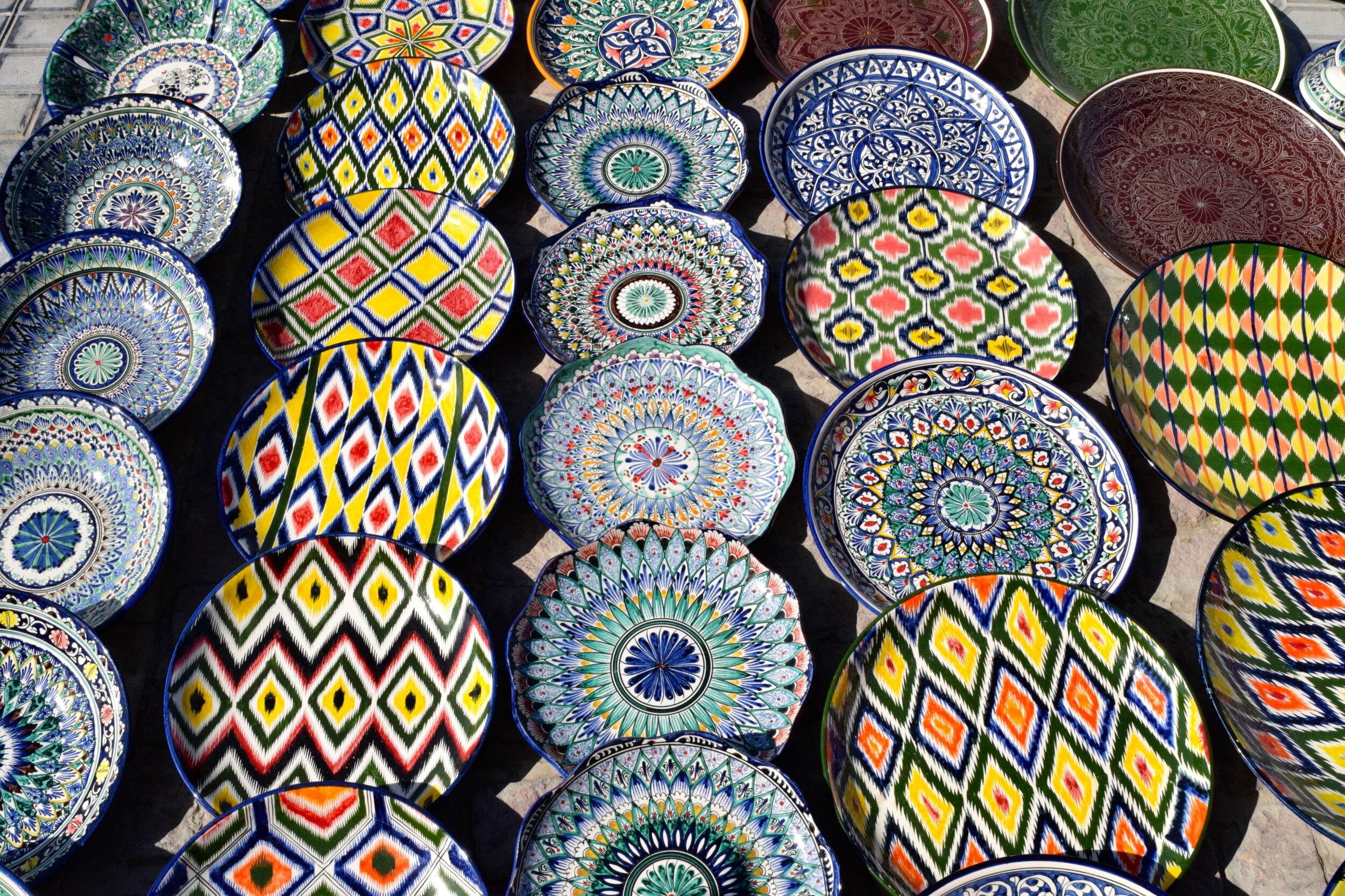
Journey through the fabled Silk Road cities of Samarkand, Bukhara and Khiva, where ancient towns and caravanserais, strung like pearls on ancient golden trade routes linking Asia and Europe, developed into thriving medieval commercial and cultural centres. Here, trade stretching from Constantinople to China and India fostered rich local traditions, expressed in vibrant textiles, glorious carpets and stunning ceramics.
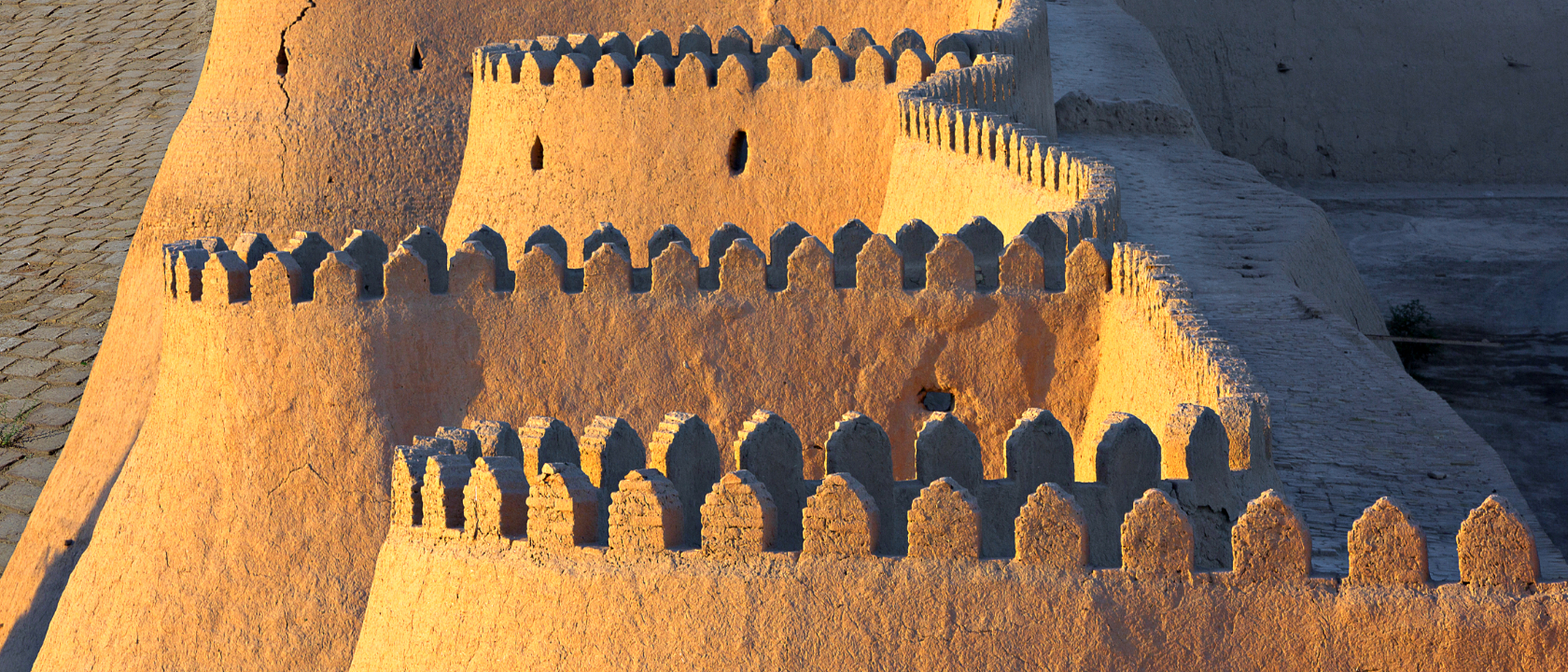
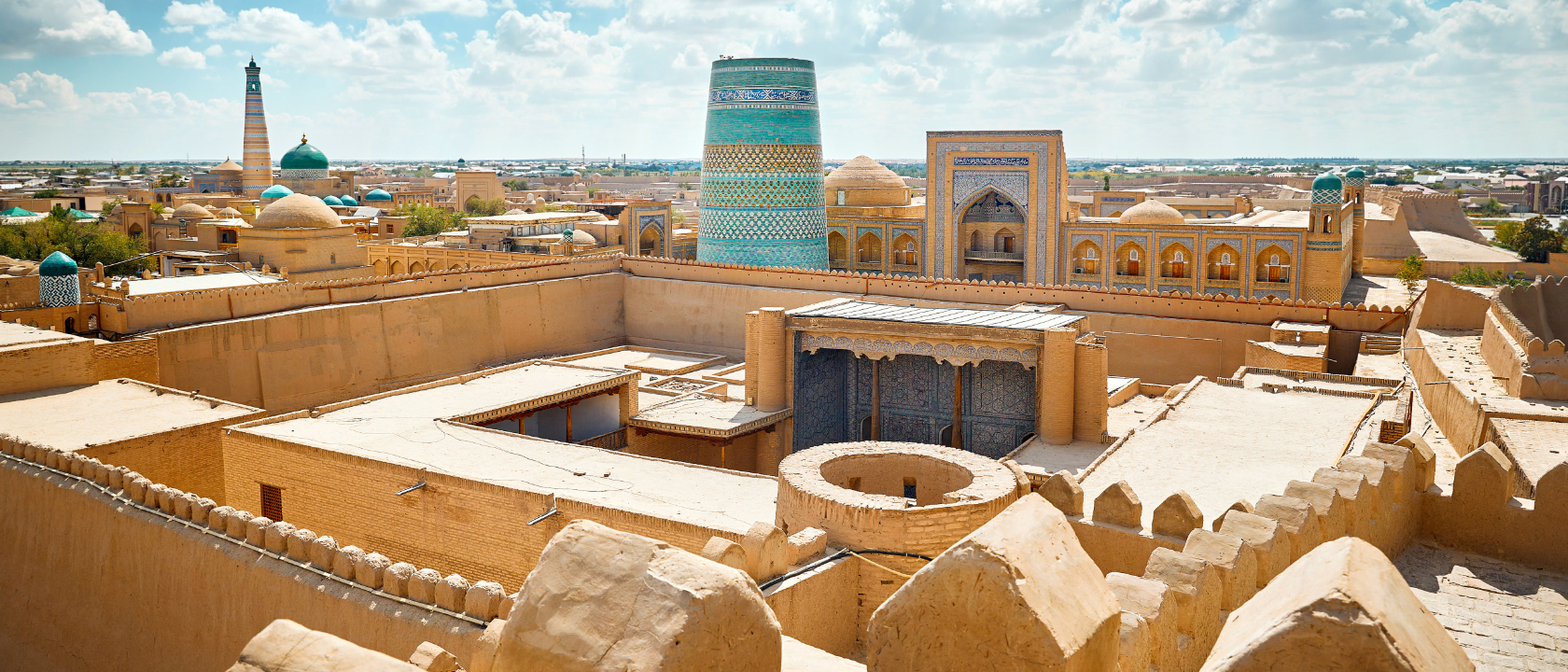
Uzbekistan has steadily been building a loyal following of culture-loving visitors, but Khiva is often left out of shorter itineraries because it is in the far west of the country. This is an oversight, as not only was Khiva’s Ichan Qala (the inner walled city) the first UNESCO World Heritage Site in Central Asia, but it hosts a lively programme of annual festivals and events, celebrating everything from juicy melons to the classical Khorezmian dance form of Lazgi. As a frequent visitor to Uzbekistan over the past 15 years, I have been fortunate to see every part of the country. ASA’s itinerary includes some of my very favourite things, not only in terms of the spectacular monuments Uzbekistan is famous for, but also the experiences of intangible cultural heritage which I know always leave long lasting memories.
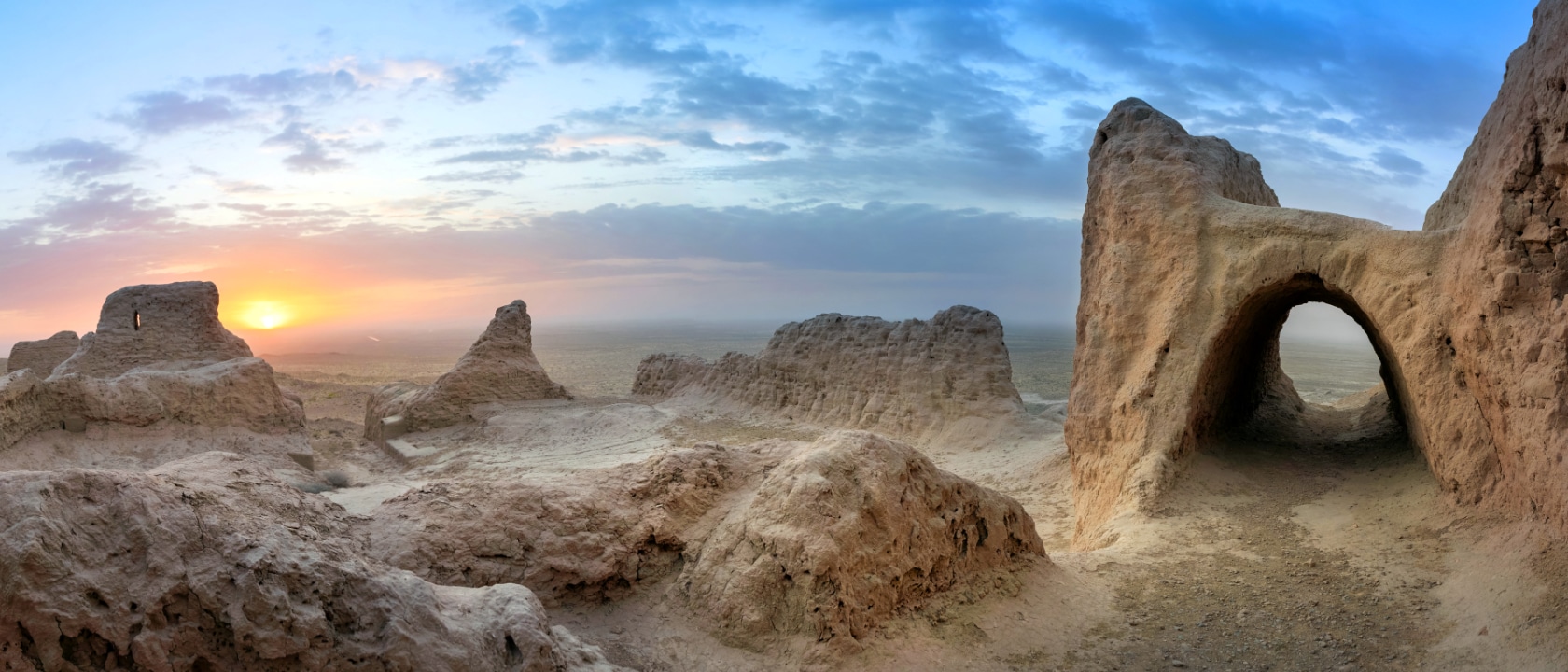
Glossy brochures and magazines typically highlight Uzbekistan’s Islamic cultural heritage, especially the Silk Road cities, but the country’s historic importance pre-dates the arrival of Islam by millennia. Oktyabr Dospanov is a Karakalpak archaeologist and the Head of the Archaeological Department of the internationally-renowned Savitsky Museum in Nukus, so there really is no one better to explain to you the significance of the desert fortresses of Ancient Khorezm, and of the Zoroastrian tower of silence, Chalpyk Dakhma, nearby. Understanding the cultural forces which shaped Central Asia, including Hellenism, Buddhism, Shamanism, and Zoroastrianism, helps explain why the Sufi forms of Islam which developed in Uzbekistan in later centuries are so different from those in the Middle East or South Asia. The traces of older beliefs, older traditions, survive even to the present day.
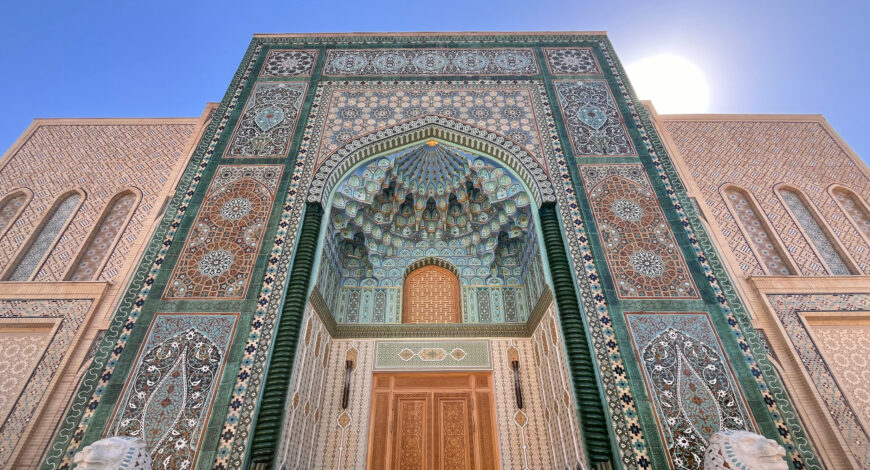
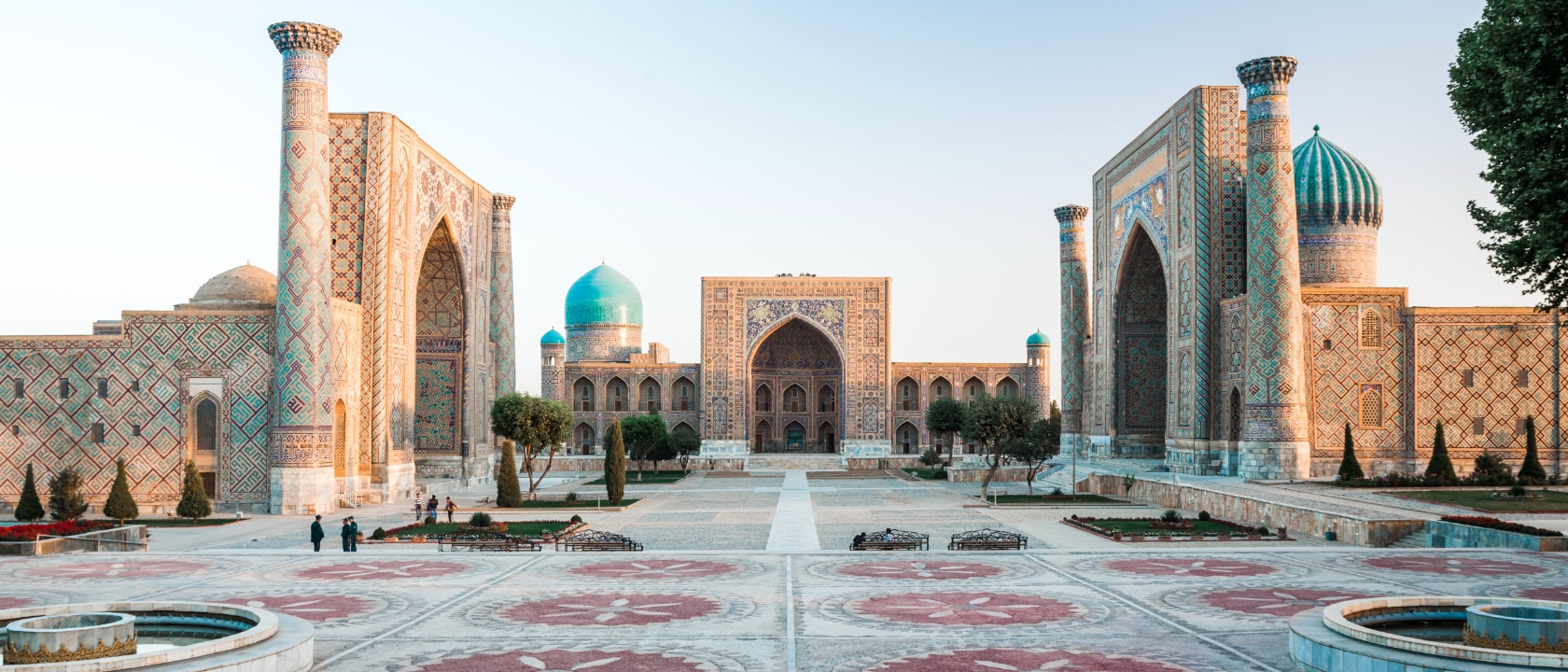
In every site you visit, be it the Friday Mosque in Khiva, the trading domes of Bukhara, or the tiled madrassa of the Registan in Samarkand, you will be confronted with the mastery of Uzbekistan’s artisans. Generations of knowledge have been passed down, from tilemakers and wood carvers, weavers and embroiderers, papier-mache makers and metallurgists. In some cases, such as at the yurt camp in Chimbai, the technologies and materials have scarcely changed in centuries; elsewhere – and the Happy Bird Art Gallery in Samarkand is an excellent example of this – artisans have taken old ideas and materials and reinterpreted them for modern audiences. Not only will you see the crafts in museums, monuments, and shops, but you will have plenty of chances to meet the designers and craftspeople who are preserving past knowledge and still pushing the boundaries of creativity. The expertise, passion, and warm hospitality of people like ceramicist Akbar Rakhimov and suzani embroiderer Rakhmon Toshev are second to none.
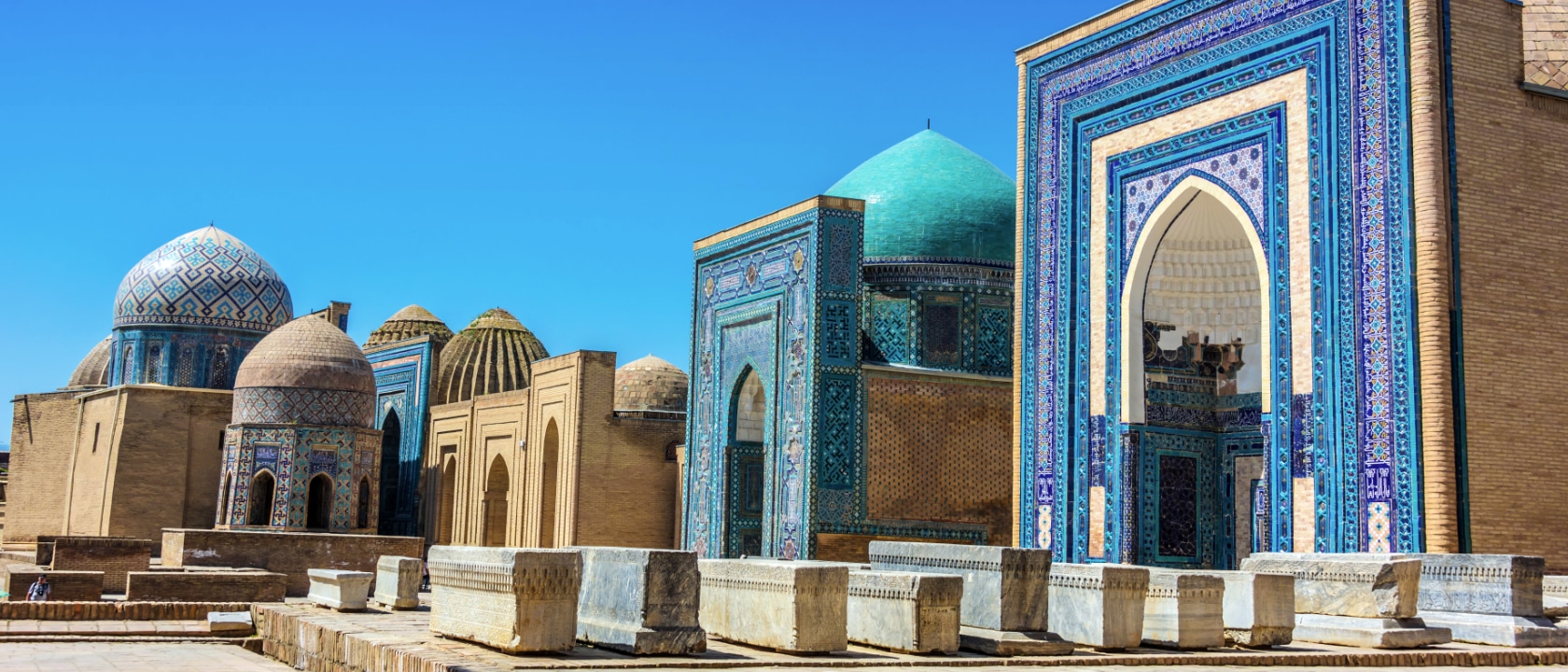
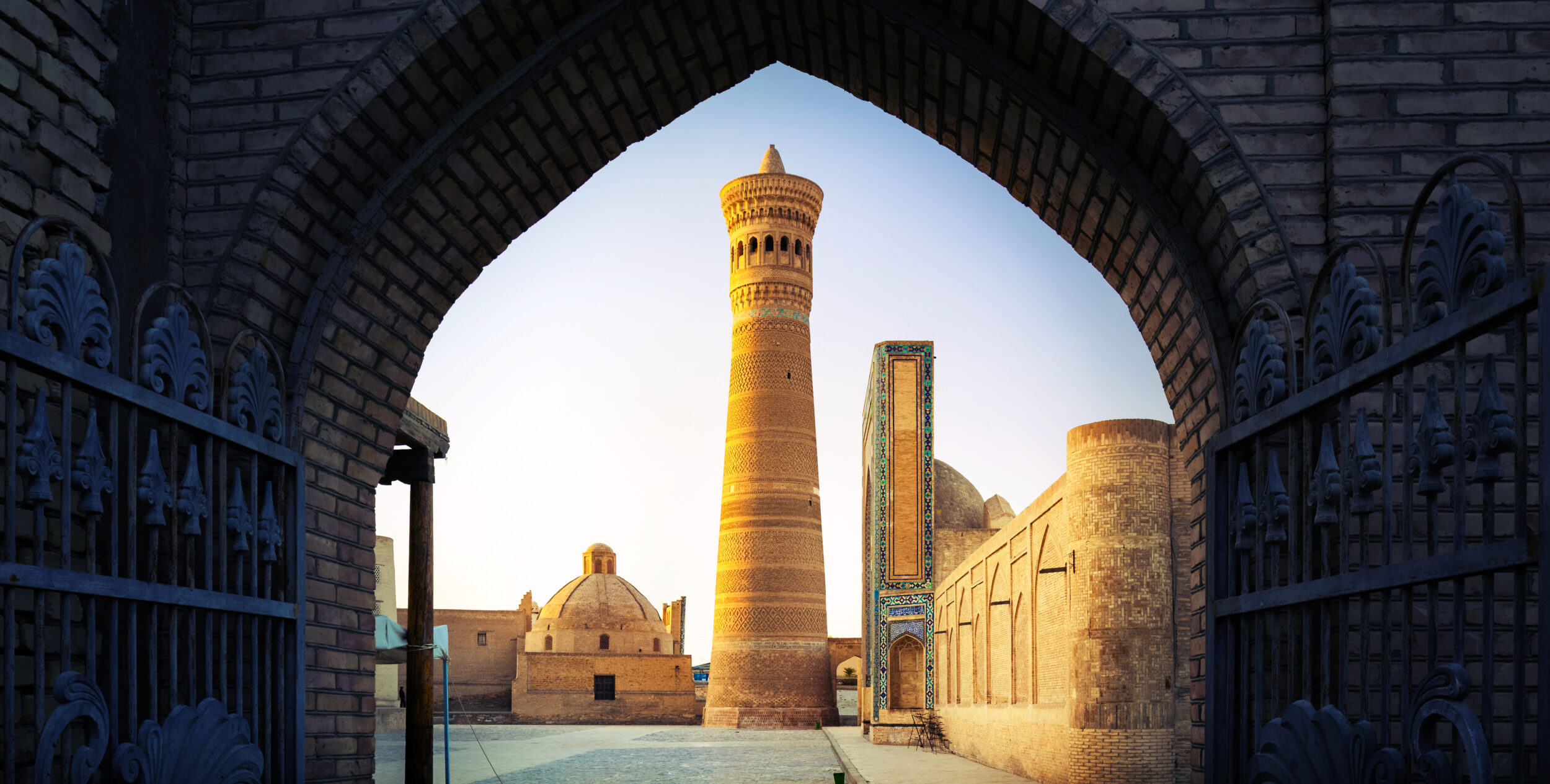
This is an itinerary which doesn’t feel rushed: you will have four nights in the legendary city of Samarkand, a place which even exceeded the expectations of Alexander the Great; and three nights in Bukhara, the best-preserved medieval city in Central Asia. Bukhara has a special place in my heart, because although it was one of the great intellectual and cultural centres of the Islamic Golden Age, it wears its history lightly. Local families still live and work in the labyrinthine streets of the Old City, passing the UNESCO-listed monuments as they go about their daily business. You can shop for silk, spices, or snacks in trading domes, enjoy lunch in cafes overlooked by madrassas, and even treat yourself to a massage in a 14th century hammam! Much of central Bukhara is pedestrianised, and wandering late in the evening, any ghosts of the past are at ease.
In spite of the abundance of historic riches, other aspects of Uzbekistan look and feel very modern. The Russian and Central Asian avant-garde art collection at the aforementioned Savitsky Museum would not have been amassed or survived if it weren’t for the Uzbek SSR’s complex relationship with other parts of the Soviet Union; and much of Tashkent’s skyline is the consequence of the catastrophic 1966 earthquake and the desire to build a model Soviet city from the ruins. Tashkent Metro – still expanding with new stations and additional track – is a superb example of public transport and public art combined; and the high-speed Afrosiyob train linking Tashkent with Samarkand and Bukhara is an enviable addition to the country’s transport infrastructure.
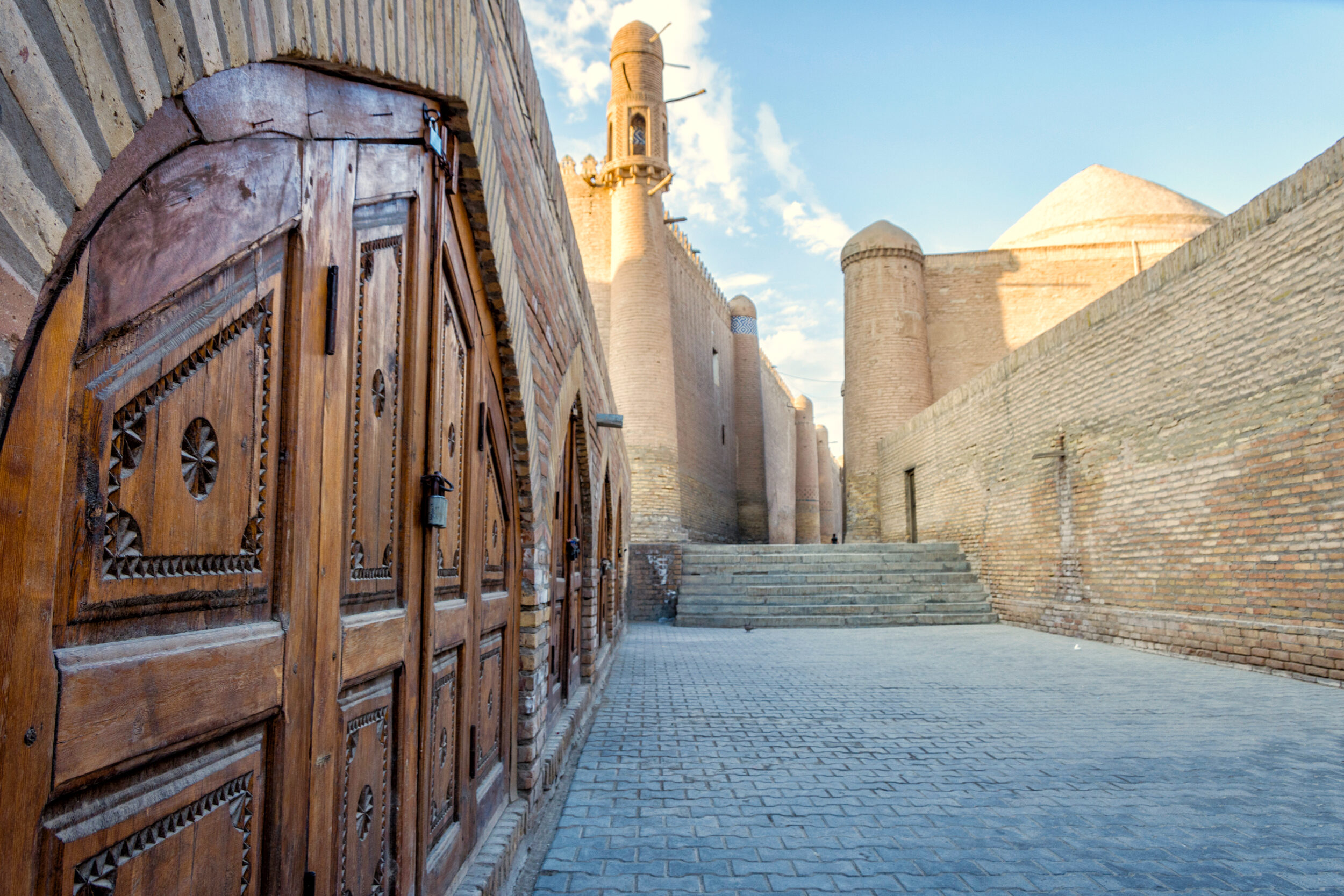
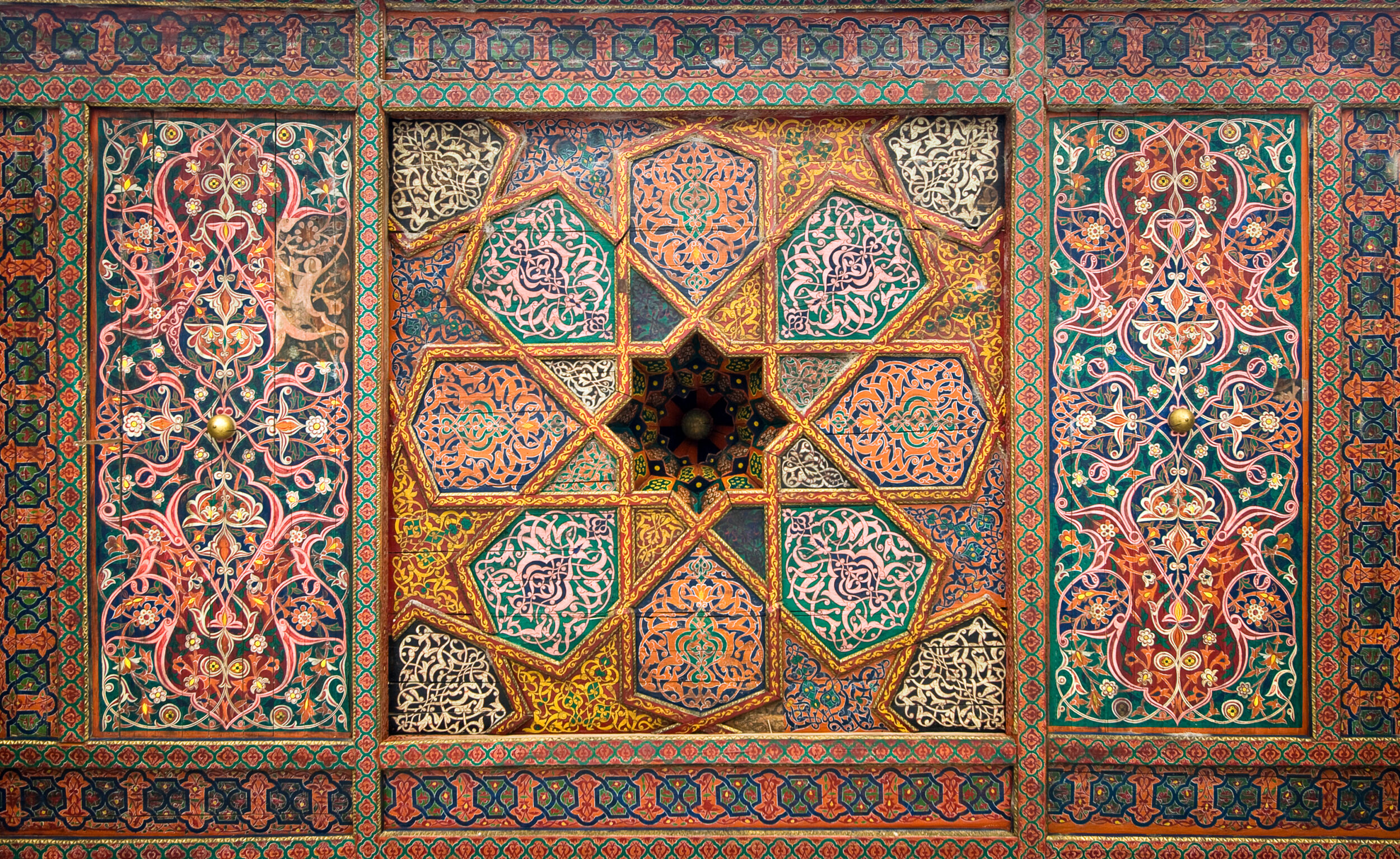
You can visit Uzbekistan’s dazzling cultural sites and enjoy all the experiences I have written about here during ASA’s Uzbekistan: The Silk Road Cities 2027 led by Central Asian archaeologist Dr Katie Campbell.
Kush kelibsiz: welcome!
Sophie Ibbotson is a researcher and consultant specialising in Central Asia, Chairman of the Royal Society for Asian Affairs, and an advisor to national governments and the World Bank. She was a 2023/24 Visiting Fellow at Oxford University’s Changing Character of War Centre, and is the author of six guidebooks for Bradt Travel Guides, including ‘Tajikistan’, ‘Uzbekistan’, ‘Ladakh’ and ‘Kashmir’. Sophie leads ASA’s tour Tajikistan & Kyrgyzstan: Through the High Pamirs
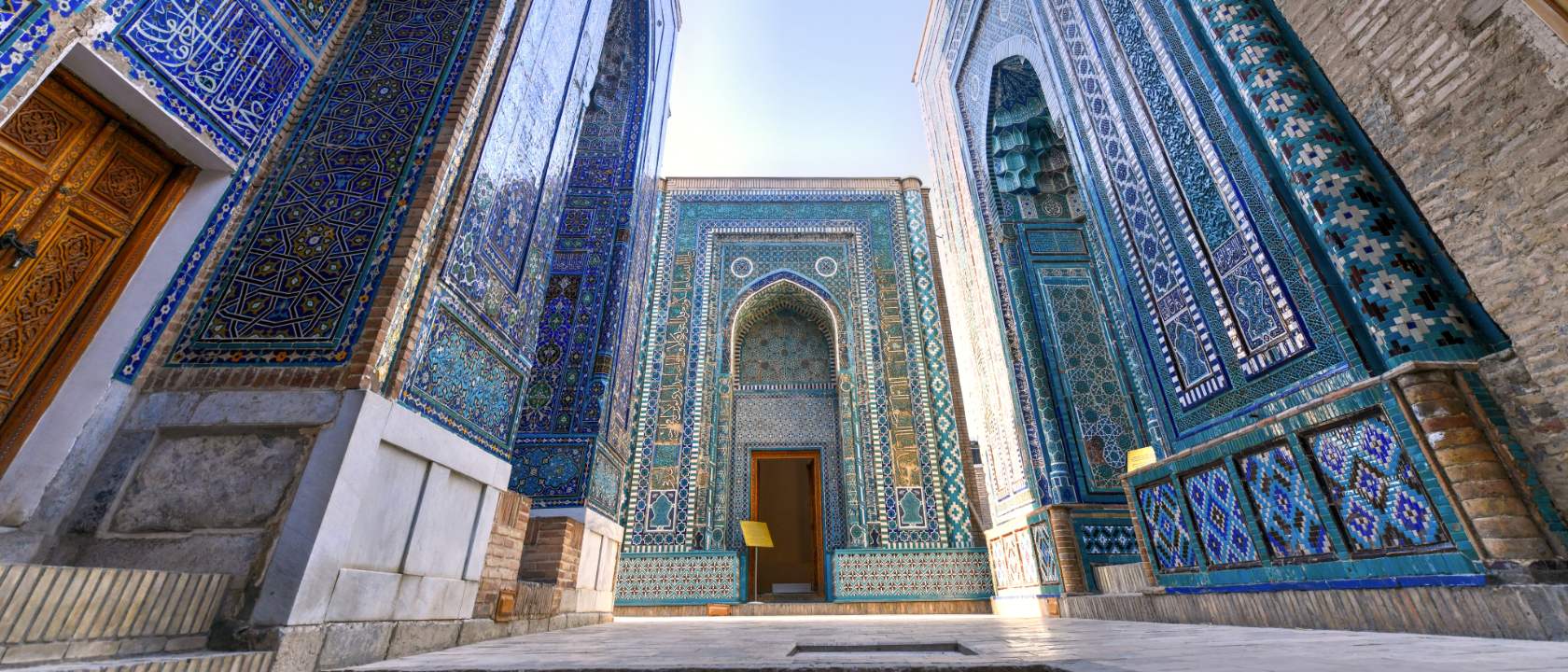 Uzbekistan: The Silk Road Cities 2027