
Victor Horta: The Key European Art Nouveau Architect
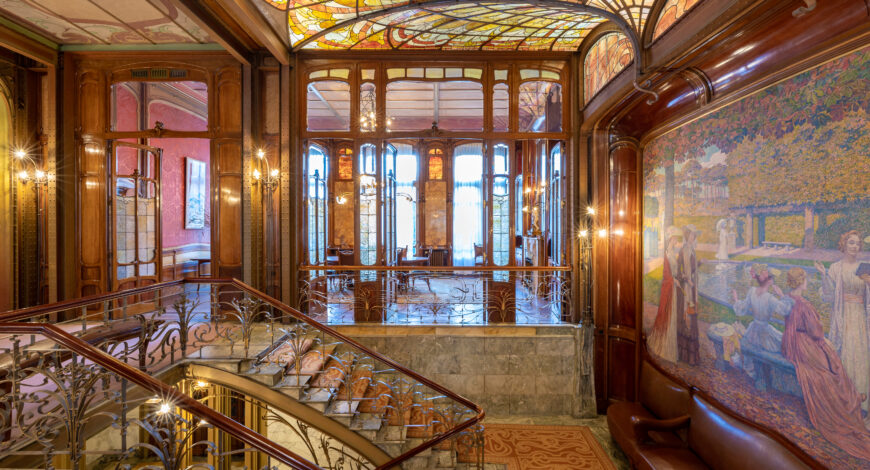
Brussels was the cradle of Art Nouveau that spread across the world in the late 19th and early 20th centuries. John Julius Norwich has described its Belgian inventor and most famous exponent, Victor Horta (1861-1947), as ‘undoubtedly the key European Art Nouveau architect.’
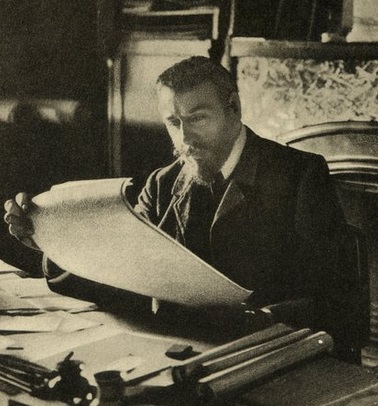
Victor Horta’s father, a master shoemaker, instilled in him a sense of perseverance and the imperative of delivering quality work. These attributes would combine to make Horta something of a perfectionist. Drawn to music, he took up the violin but was expelled by the Music Conservatory for bad behaviour, which prompted him to change to architecture. Moving to Brussels in 1881, he enrolled at the Académie des Beaux-Arts (Fine Arts Academy). Alphonse Balat, the architect of the majestic The Royal Greenhouses of Laeken, took Horta into his workshop, for which Horta would remain hugely grateful throughout his life.
Innovative Interior Spaces
Horta had embarked on the construction of a pavilion at the Parc du Cinquantenaire /Jubelpark to house Jef Lambeaux’s monumental sculpture symbolising The Human Passions, when the engineer Eugène Autrique and science professor Emile Tassel each commissioned him to design a townhouse. They gave Horta a free hand that allowed him to create very personal designs without traditional restraints. He was thus able to affirm his personal architectural principles: of combining rationality and power with beauty and homeliness. These houses marked the beginning of a long series of Brussels masterpieces featuring innovative interior spaces that were flooded with light streaming through large windows and skylights.
Four Town Houses Designed by Horta Recognised as UNESCO World Heritage
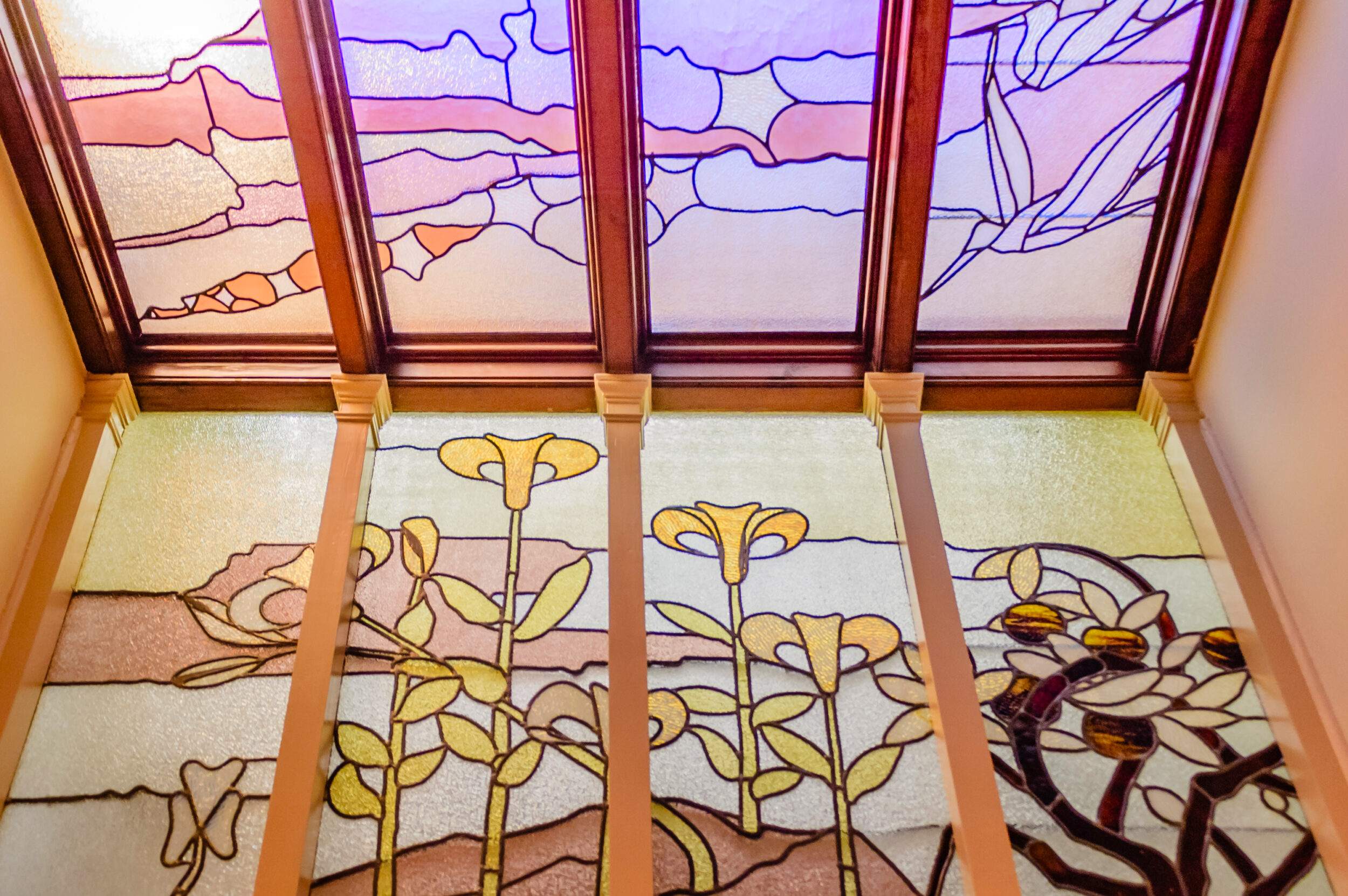
In his façades he abjured the heavy stone walls of revivalist architecture, replacing them with artful metal work. Rigid forms gave way to volutes and arabesques; images of fauna and flora invaded his iron balconies and the glass of his large windows. Inside, his rooms were particularly welcoming, spaces that ‘asked’ to be lived in. Spaces were fluid. He created curved forms in plaster which were then sculpted into granite or white stone by masons and carvers. Horta also designed the furniture, carpeting and decorative objects for his houses. In 2000, four major town houses designed by Horta – Hôtel Tassel, Hôtel Solvay, Hôtel van Eetvelde, and Maison & Atelier Horta, all located in Brussels, where recognised as UNESCO World Heritage.
Hôtel Solvay, Ixelles
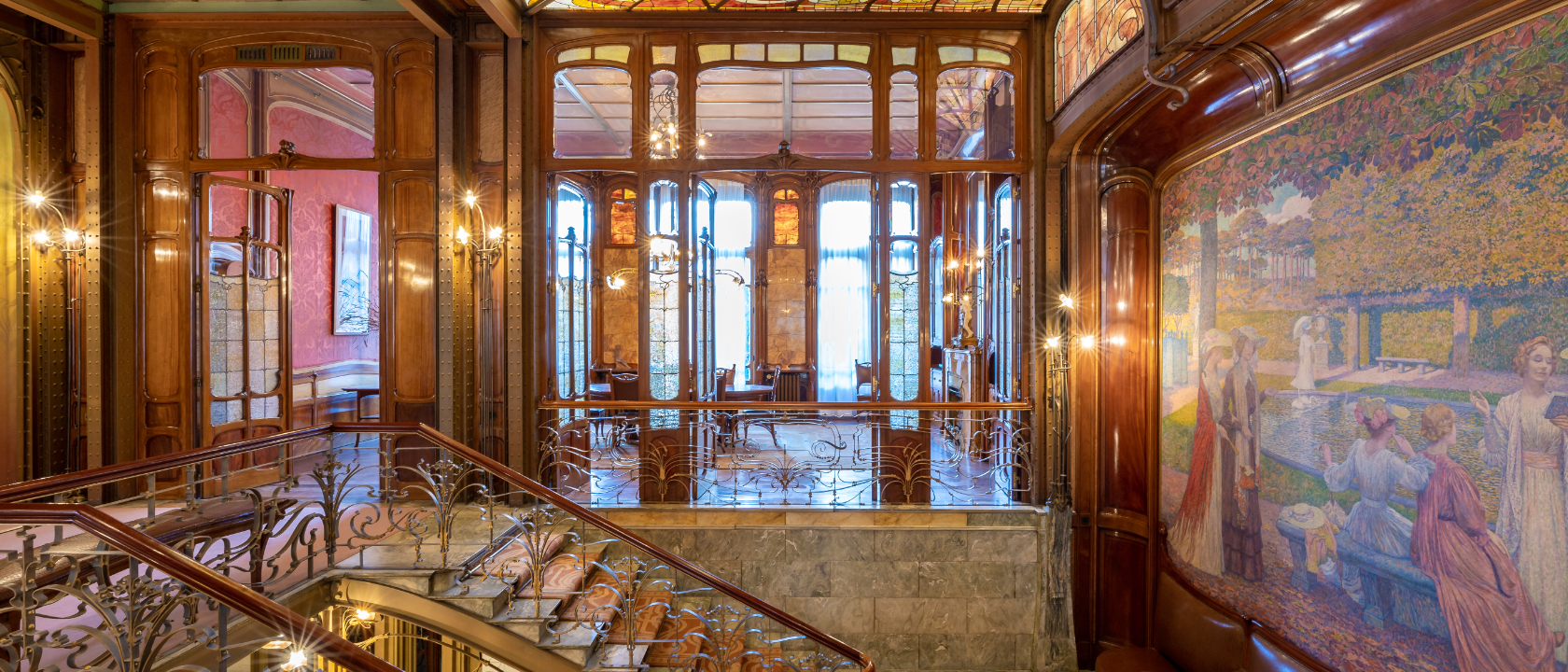
On avenue Louise, the UNESCO World Heritage-listed Hôtel Solvay is a luxurious residence built by Victor Horta in 1894 for the Solvay family. The 33-year-old architect was given complete freedom and unlimited funds to design the interior and furnishings. This is generally considered the most ambitious and spectacular work of Horta in the Art Nouveau period. It features a decorated staircase, mosaic floor, painted walls, wrought iron work and custom furniture.
Hôtel Van Eetvelde, Brussels
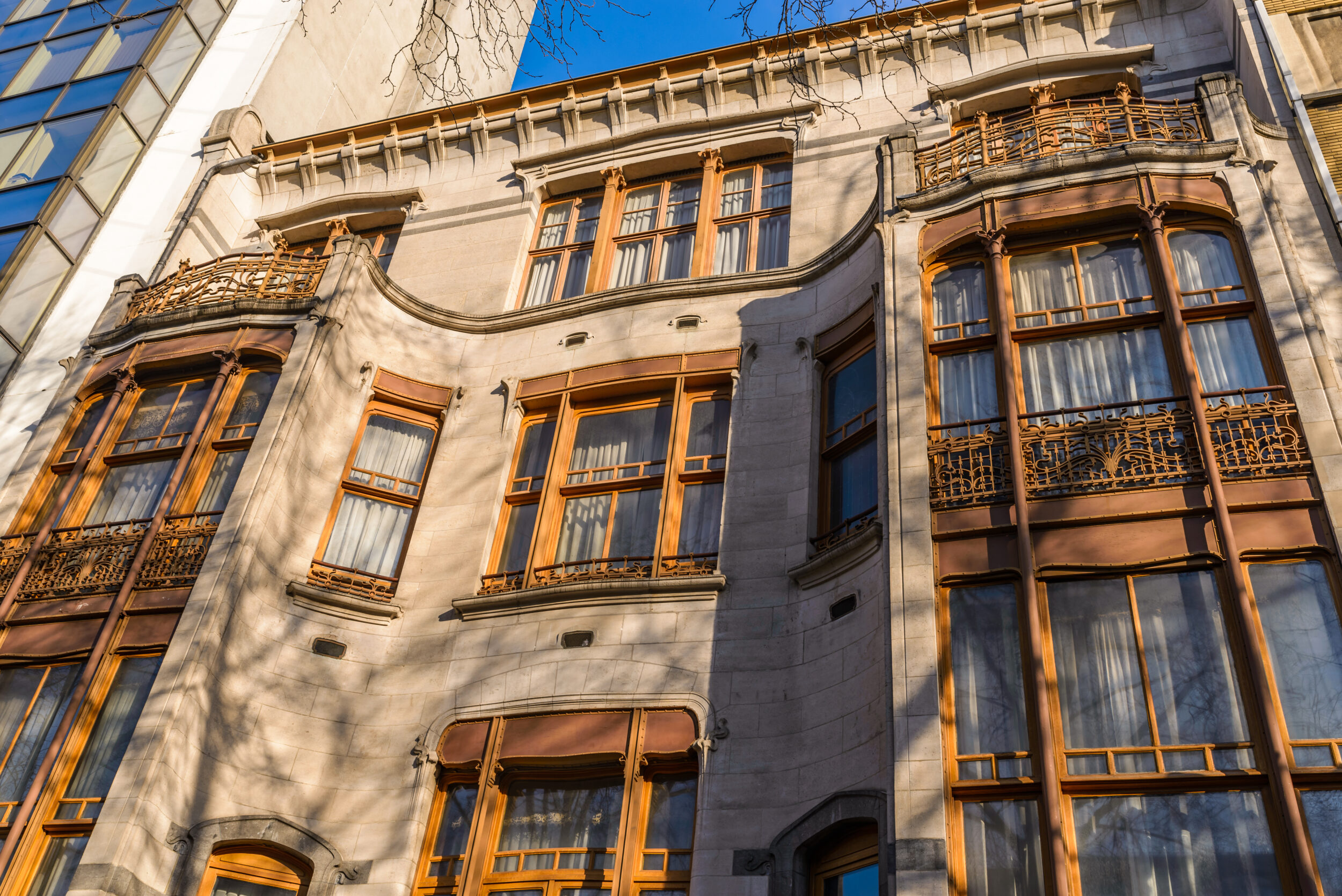
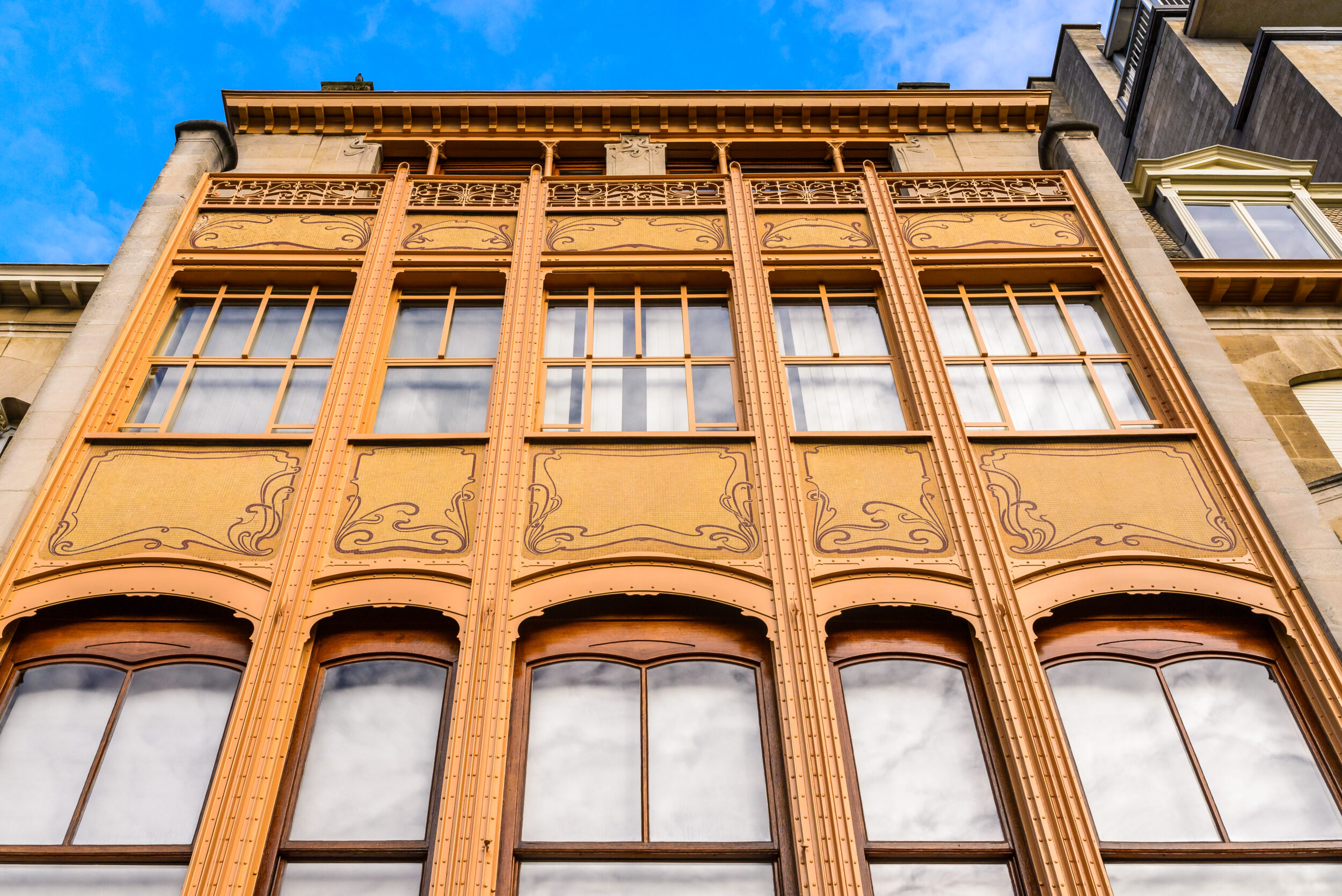
This exceptional Art Nouveau townhouse has recently been reopened to the public. The UNESCO World Heritage-listed Hôtel van Eetvelde was designed by Victor Horta for Edmond van Eetvelde, administrator of Congo Free State, and built in 1895. Hôtel van Eetvelde consists of two buildings with the corner town house constructed later to house the office of Baron Edmond van Eetvelde. One of the recent restoration highlights is the monumental glass dome of the winter garden, an emblematic example of Horta’s preoccupation with introducing natural light into buildings. For the elegant and stylised interior, Horta used materials from Congo, while several motifs reference the former colony, such as mosaics adorned with vines, and the depiction of plants and flowers in the structure of the dome and its stained-glass windows.
Musée Victor Horta, Saint-Gilles
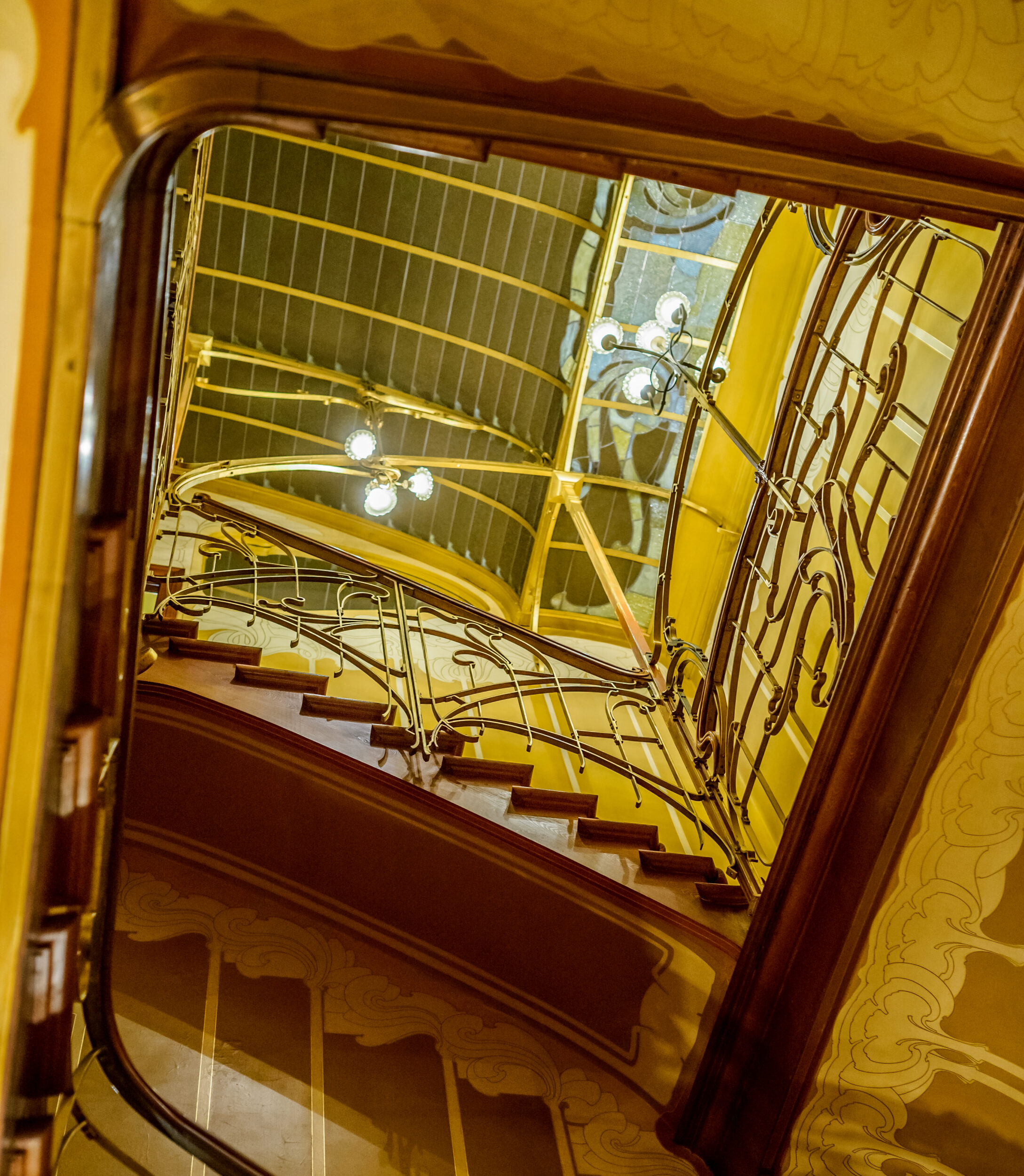
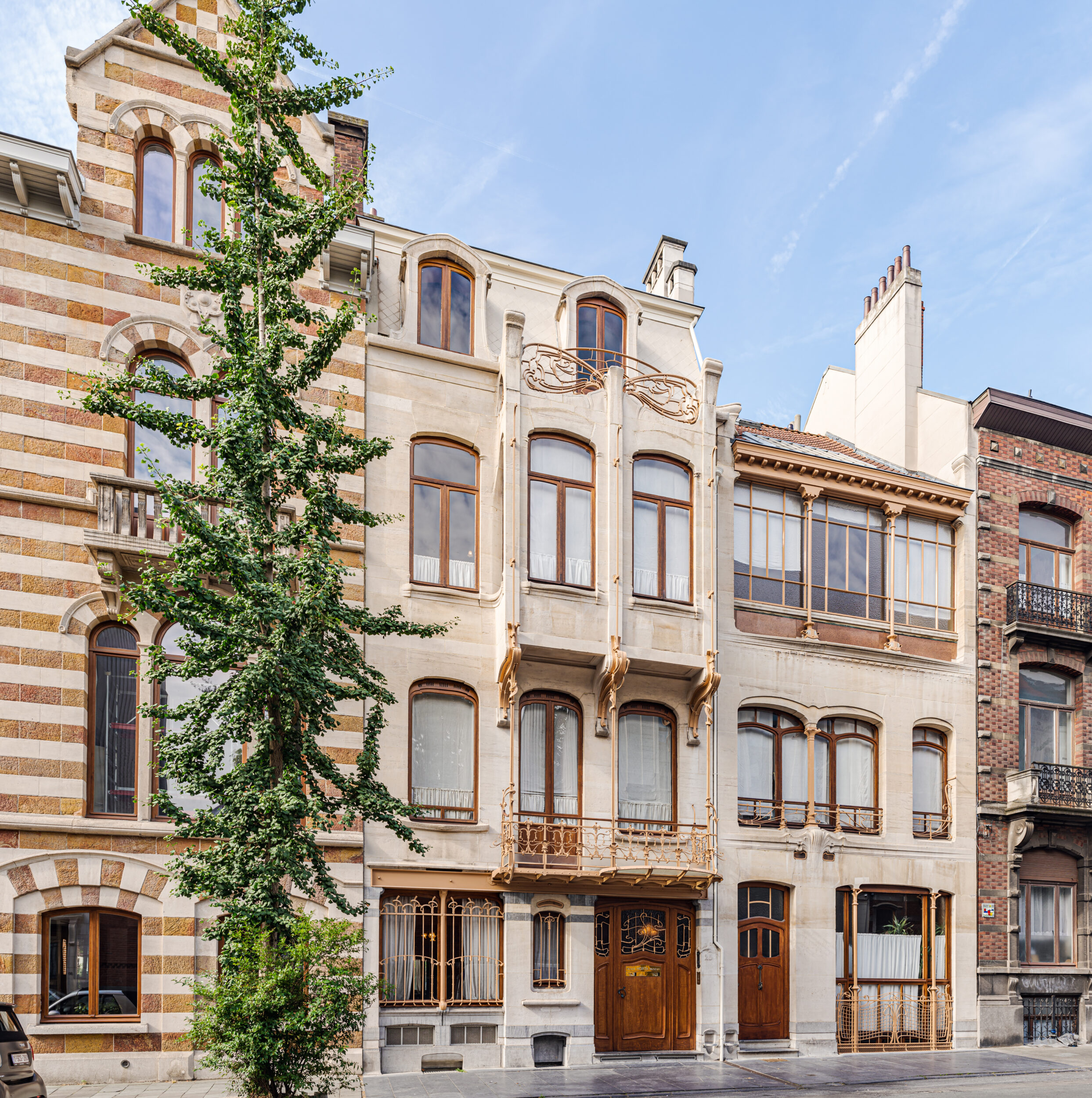
The Musée Victor Horta is located in Horta’s private house and studio. Built between 1898 and 1901 the two buildings making up the museum exemplify Art Nouveau at its height. Their utterly exquisite, finely detailed interior decoration has largely been retained, with the mosaics, stained-glass, and wall decorations forming a harmonious and elegant whole.
Victor Horta’s Later Career
Art Nouveau, of which Horta was the pioneer, soon gave way to the geometry of Art Deco. After an extended sojourn in the United States during World War I Horta returned to Brussels facing major financial difficulties but soon revived his career. His new patrons were of a different calibre to those that commissioned his early houses. He now became involved in large-scale projects like the Tournai’s Musée des Beaux-Arts and Brussels’ Brugmann Hospital, Palais des Beaux-Arts and Central Railway Station. He also designed the Belgian pavilion for the Paris International Exposition of Modern Industrial and Decorative Arts (1925). These huge commissions gained him widespread public recognition, winning him a Legion of Honour and the title of “Baron” awarded to him by King Albert 1 in 1932.
Despite these honours, Horta regretted not having published his drawings and paradoxically destroyed most of his archives and drawings. Thankfully, his memoirs, written in 1939, survived and have enabled scholars to study his life and his critical contribution to European architecture.
To view the best of contemporary art, architecture, furniture and fashion in Belgium and the Netherlands join architecture and design writer, Stephen Crafti, on his tour From Belgian Art Nouveau to Dutch Modern.
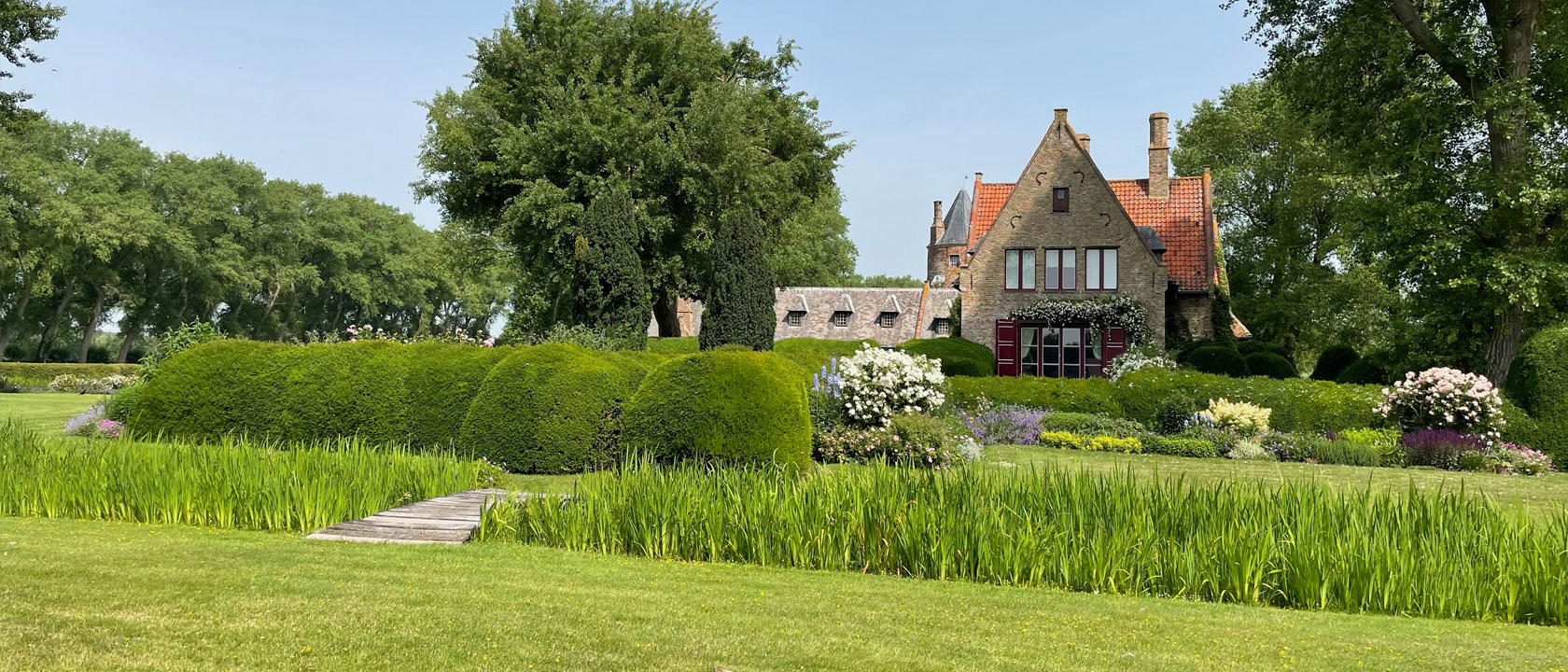
Or travel on Belgium: Art, Architecture & Garden Design which includes visits to classic and contemporary private gardens; art museums including Musée Victor Horta; and exclusive visits to Hôtel Van Eetvelde and Hôtel Solvay.
 From Belgian Art Nouveau to Dutch Modern 2026
  Belgium: Art, Architecture & Garden Design 2028