
Wonders of Sri Lanka: The Historic Ruins of Anuradhapura, Polonnaruwa and Sigiriya
by Em. Prof. Bernard Hoffert
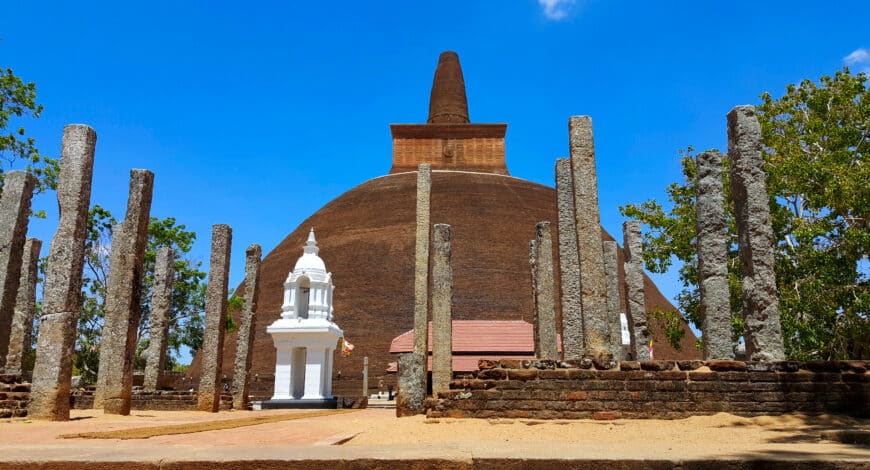
From the magnificent highland forests and exotic flora of the coast, to the vast wildlife parks home to elephants, leopards, sloth bears and an extensive birdlife, few places on earth have the diversity of Sri Lanka.
However, perhaps most of all, there is the remarkable splendour of the historic ruins of Anuradhapura, Polonnaruwa and the incredible ancient rock fortress of Sigiriya perched on a plateau hovering above the plains. These historic architectural wonders demonstrate not just the evolution and history of Sinhalese culture and its remarkable achievements but also dazzling spectacles of imagination and ingenuity in their design and construction. So much so that all three sites have received UNESCO World Heritage status.
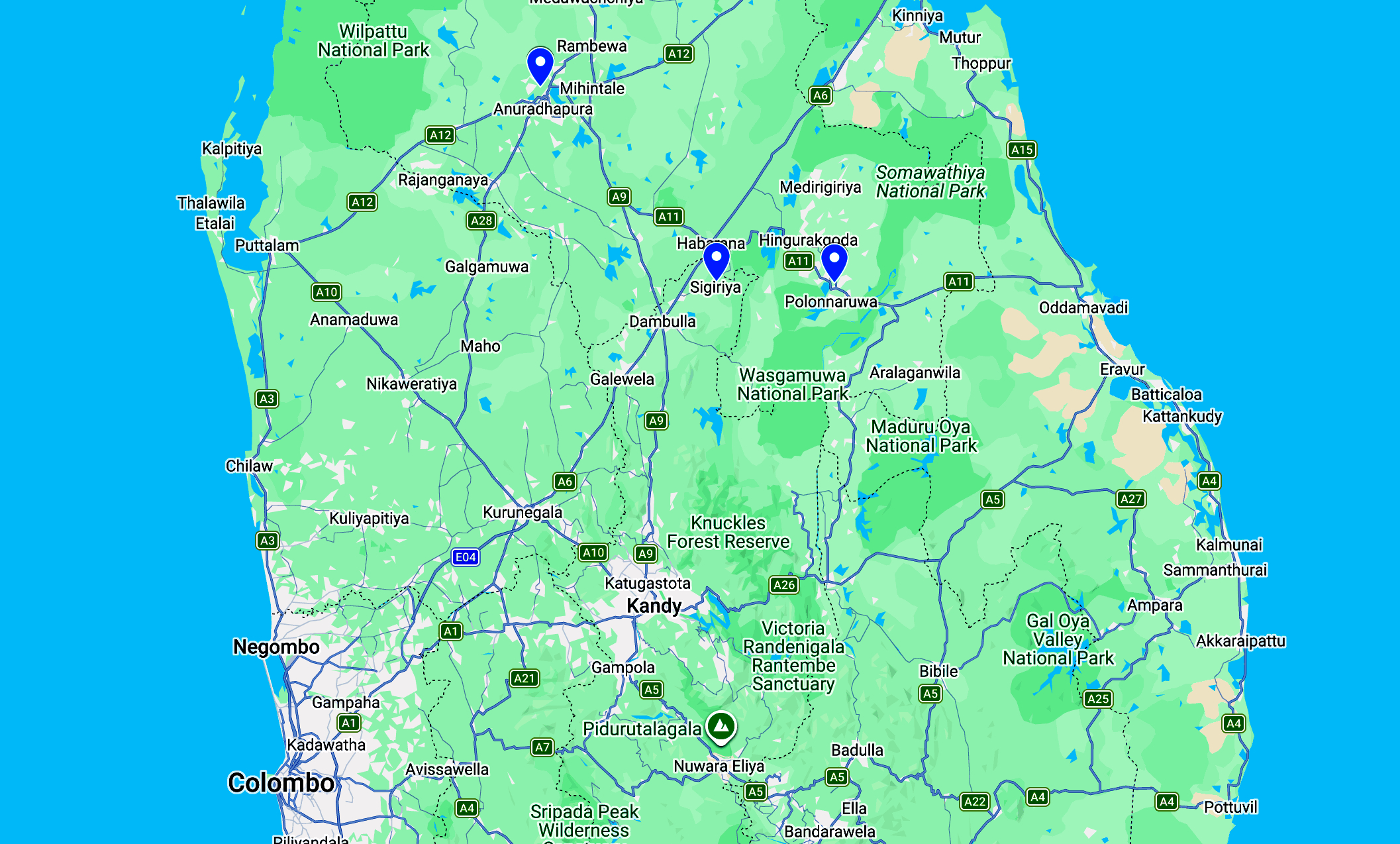
Anuradhapura, Cradle of the Sinhalese Civilisation
Anuradhapura was the first capital of Sri Lanka, founded by King Pandukhabaya in the mid-4th century BCE. Sustained by the remarkable hydraulic systems of successive kings constructing reservoirs and canals to irrigate the northern plains, the kingdom grew rich from its agricultural trade and natural resources as well as the commercial links it established with China, the Middle East and Ancient Rome. This wealth was ploughed back into the city with its vast Buddhist monasteries, temples and palaces, and especially in the construction of the dagobas or stupas to house the relics of the Buddha. Amongst the largest constructions of the ancient world, these awe-inspiring monuments still evoke a sense of wonder.
Four great dagobas dominate the skyline; the oldest, the Thuparama stupa dates from the reign of King Devanampiya Tissa in the 3rd century BCE and was built to house the collarbone of the Buddha. At its most extensive, Anuradhapura’s population is estimated to have reached 2 million, larger than Ancient Rome at its height. The city was designed on a geometric structure based on the principles later developed into the Manjustri Vidya Shastra, a text on planning and construction. The essence of the text stressed the holistic relationship of architecture and planning to the broader physical and spiritual environment, something like the better-known Chinese Feng Shui. There were specific areas for different activities, crafts, building, markets, hospitals, trade centres and cemeteries, as well as hostels for merchants and travellers. Central amongst the sectors were the religious and palace complexes from which the spiritual and political life of the community was controlled.
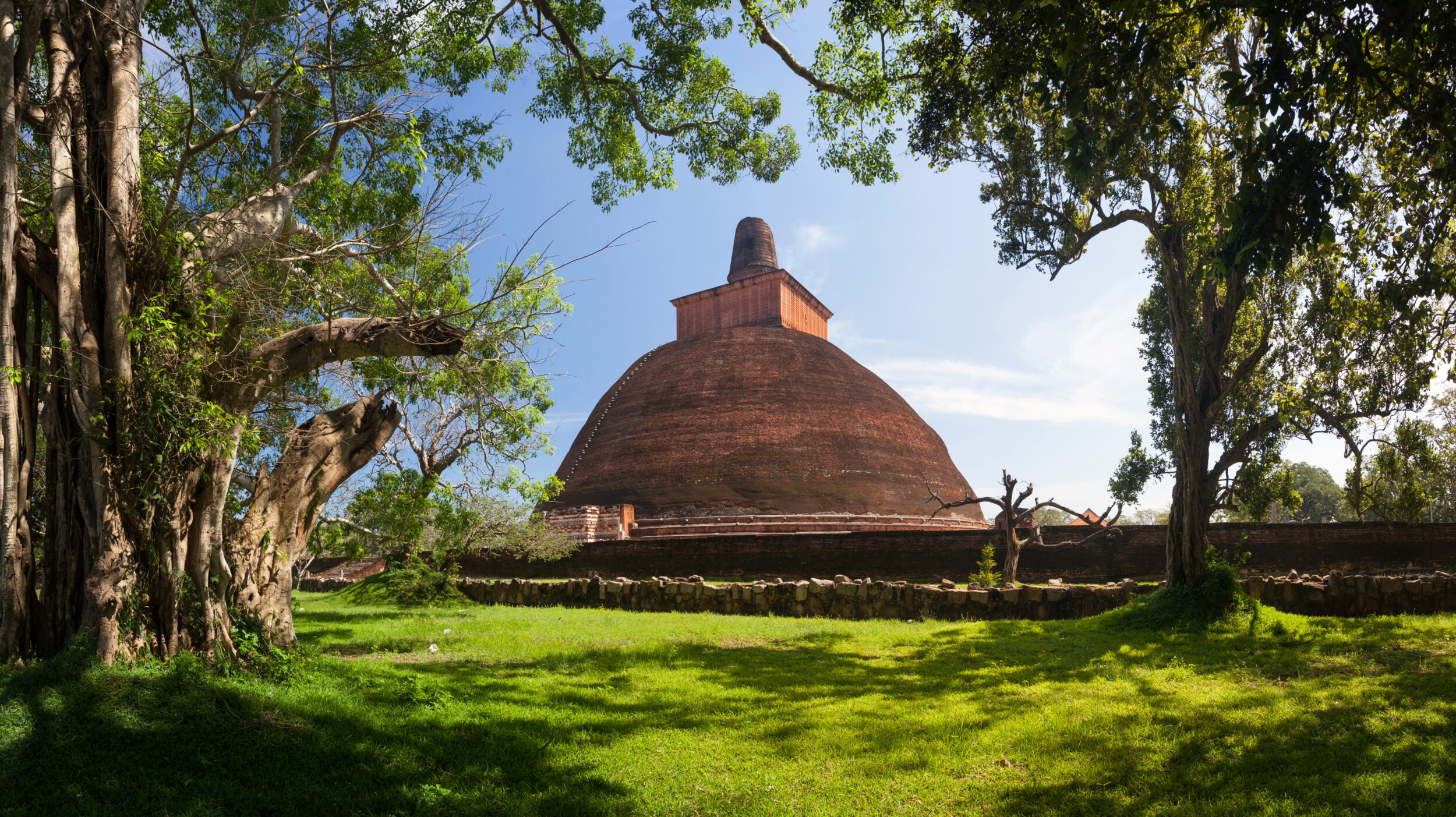
The lost grandeur of Anuradhapura is still evident in the spectacular ruins: the elephant wall that once surrounded the Ruwanweli stupa, the 1600 stone pillars which once supported the 9-storey royal palace, the footprint of the Buddha and many more. The most sacred site is the Sri Maha Bodhi tree, grown from a cutting of the Bo tree under which the Buddha received enlightenment, a gift from the great Indian Buddhist king Asoka brought to Sri Lanka by his daughter, the nun princess Sanghamitta.
Buddhist philosophy thrived in Sri Lanka, introduced by the son of King Asoka, Mahinda, who came to Sri Lanka in the 3rd century BCE. The Buddhism of Sri Lanka follows the text of the Pali canon, the earliest document on Buddhist teachings.
The Royal Ancient City of Polonnaruwa
119 kings ruled from Anuradhapura over 1300 years until it was conquered by the Chola king, Rajaraja I, from Thanjavur in South India in 993 CE. The Cholas moved the capital to Polonnaruwa as they spread their control over northern Sri Lanka, destroying Buddhist temples and expanding the Hindu faith. After the Cholas were expelled in 1070, Polonnaruwa remained the capital for the next 200 years.
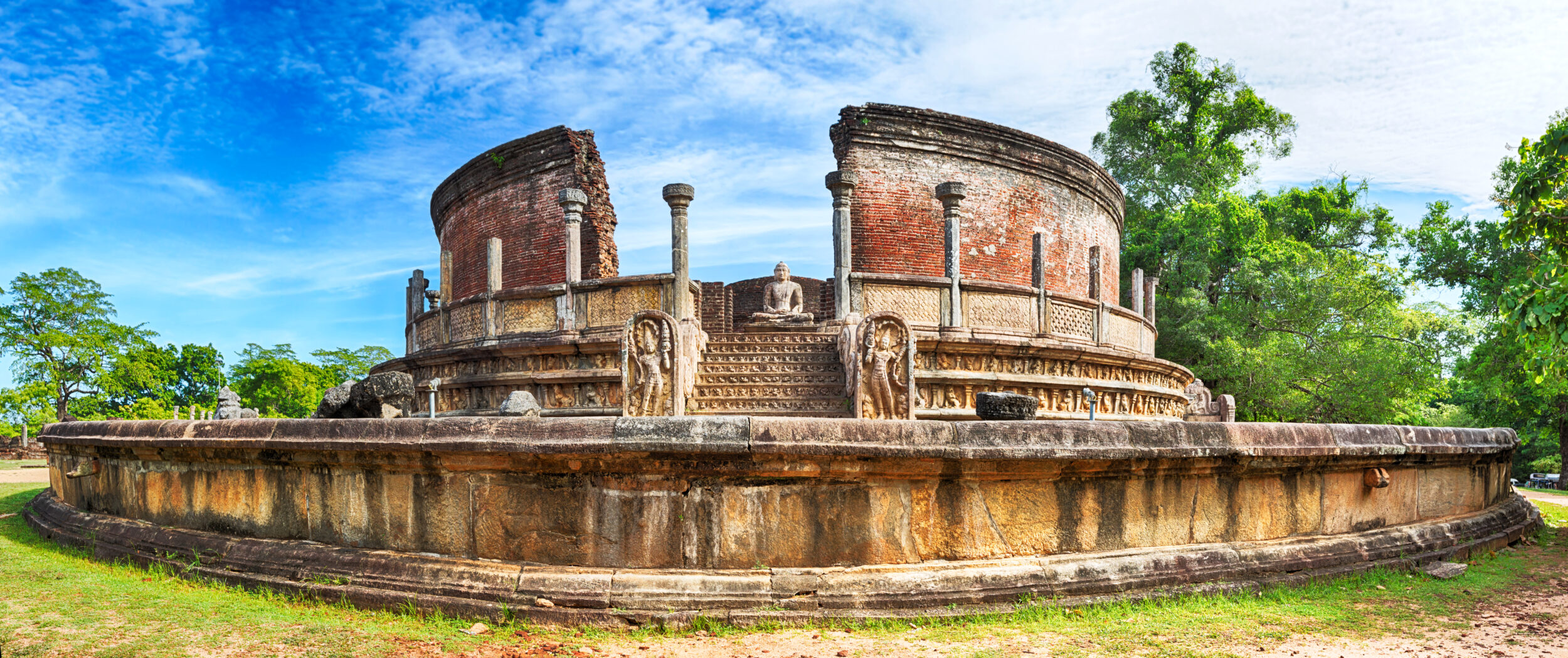
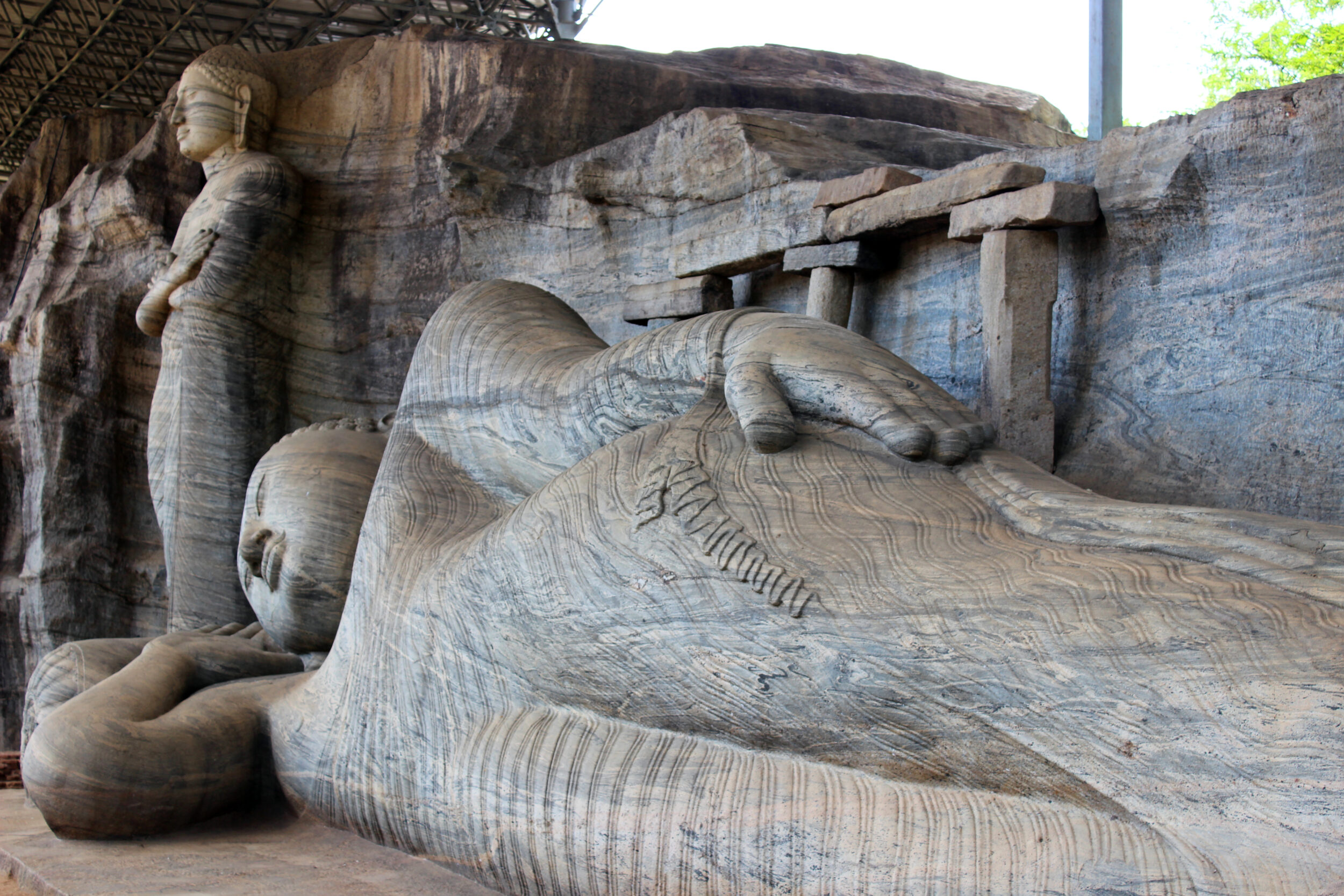
The impressive ruins of the city confirm the re-establishment of Buddhism and the expansion of the temples and monasteries adjoining the palace precinct. Royal authority was symbolised by the custodianship of important relics like Buddha’s Alms Bowl and the relic of Buddha’s Tooth. These were housed in impressive temples adjoining the vast monastic complexes. Hospitals were also an important aspect of the city. Natural treatments were combined with surgical techniques; the removal of cataracts was undertaken as early as 2000 years ago. Possibly the oldest hospital in the world is at Mihintale.
The Rock Fortress of Sigiriya
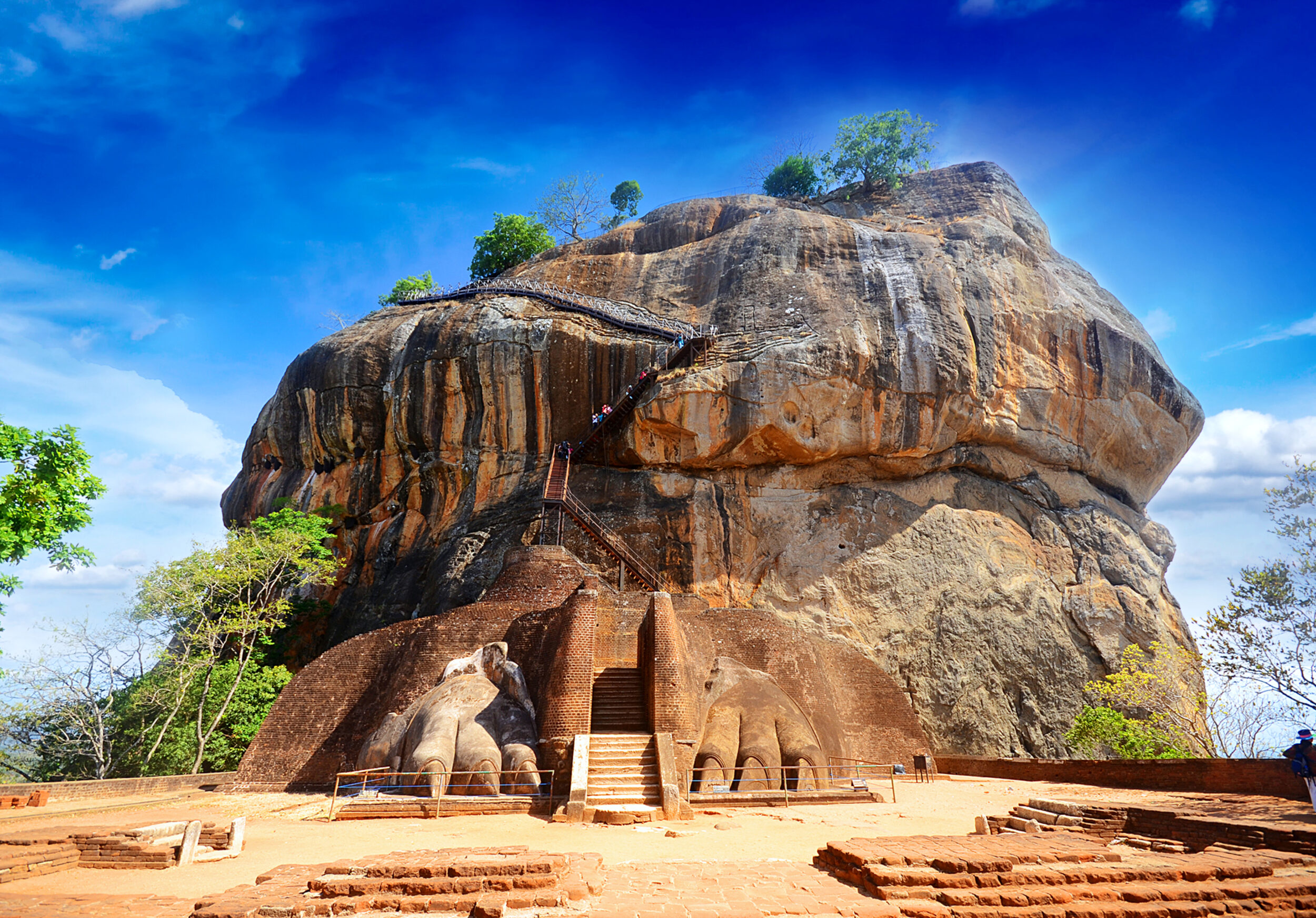
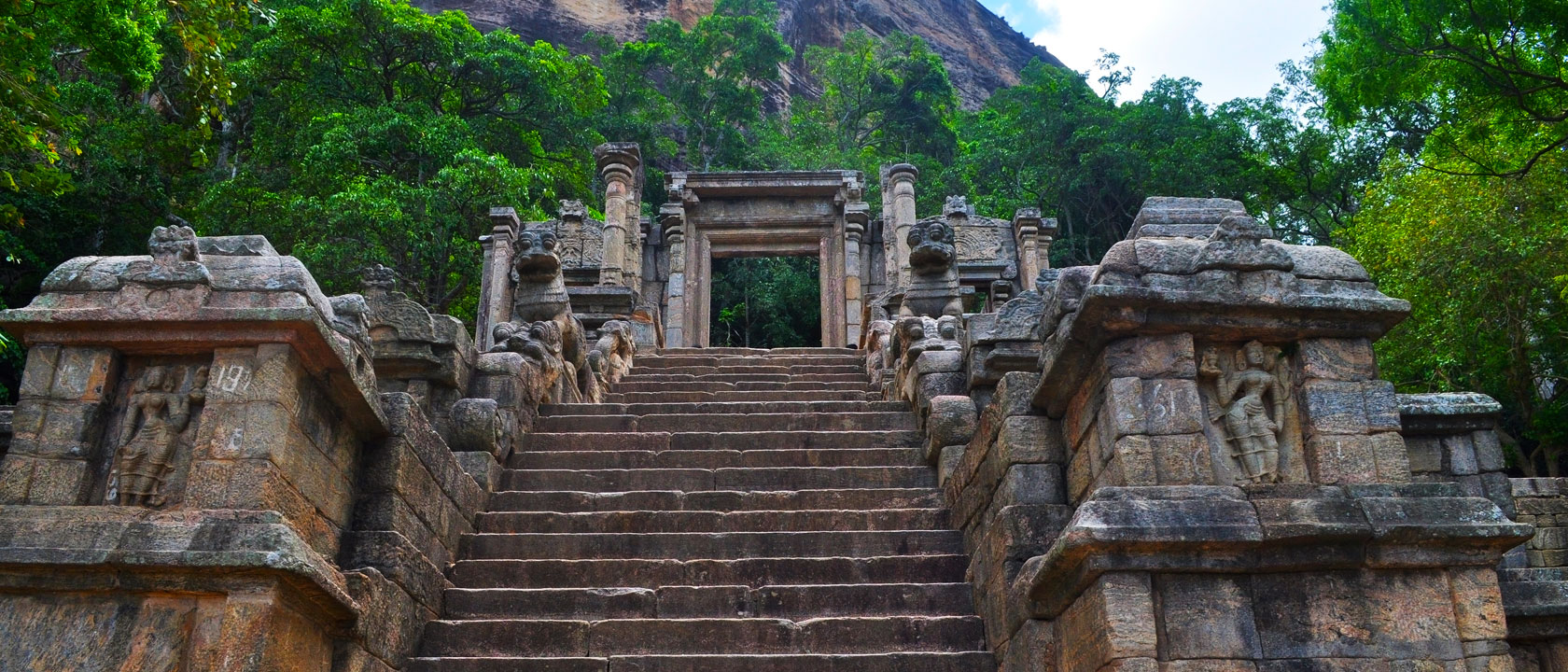
One of the most spectacular sites in Sri Lanka is the Sigiriya fortress palace suspended atop a 200-metre granite rock, built in the 5th century CE by Prince Kasyapa, who seized control of the kingdom from his father, Dhatusena. He then had his father walled up alive in his own tomb. The palace is approached by steps from the plain below. Originally entry was through the mouth of a vast stone lion; only the clawed feet remain, which suggest how huge the lion must have been.
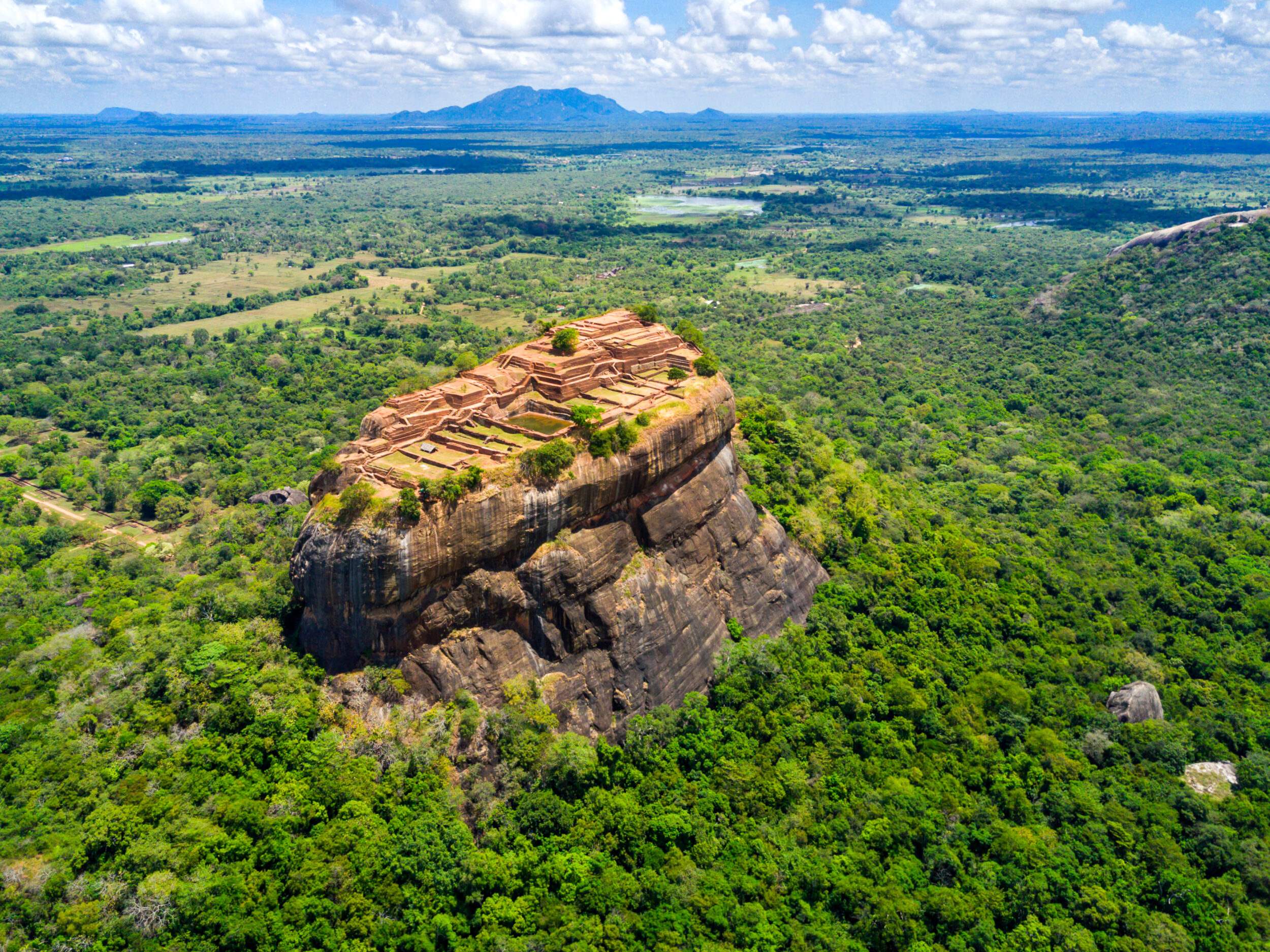
The ruins of the throne room still remain, and the palace water catchments on top of the rock still fill with water. There was also a reservoir at the base of the fortress from which water could be pumped to the palace above. Before the entrance lie monumental gardens with ducted waterways and canals fed by water from the palace reservoirs descending in clay pipes and driving a variety of fountains and waterspouts. Walking through the restored gardens beneath the monumental rock towering above cannot help stirring the imagination at how the palace above with its complex hydraulics was achieved. Halfway up the granite face is a cave containing some of the most beautiful paintings in Sri Lanka. Originally much of the entire surface of the rock was covered with paintings. Despite the ravages of time, the ruins of Sigiriya are breathtaking, and its location is awe-inspiring. It has often been called the Eighth Wonder of the World.
The Flora and Fauna of Sri Lanka: A Biodiversity Hotspot
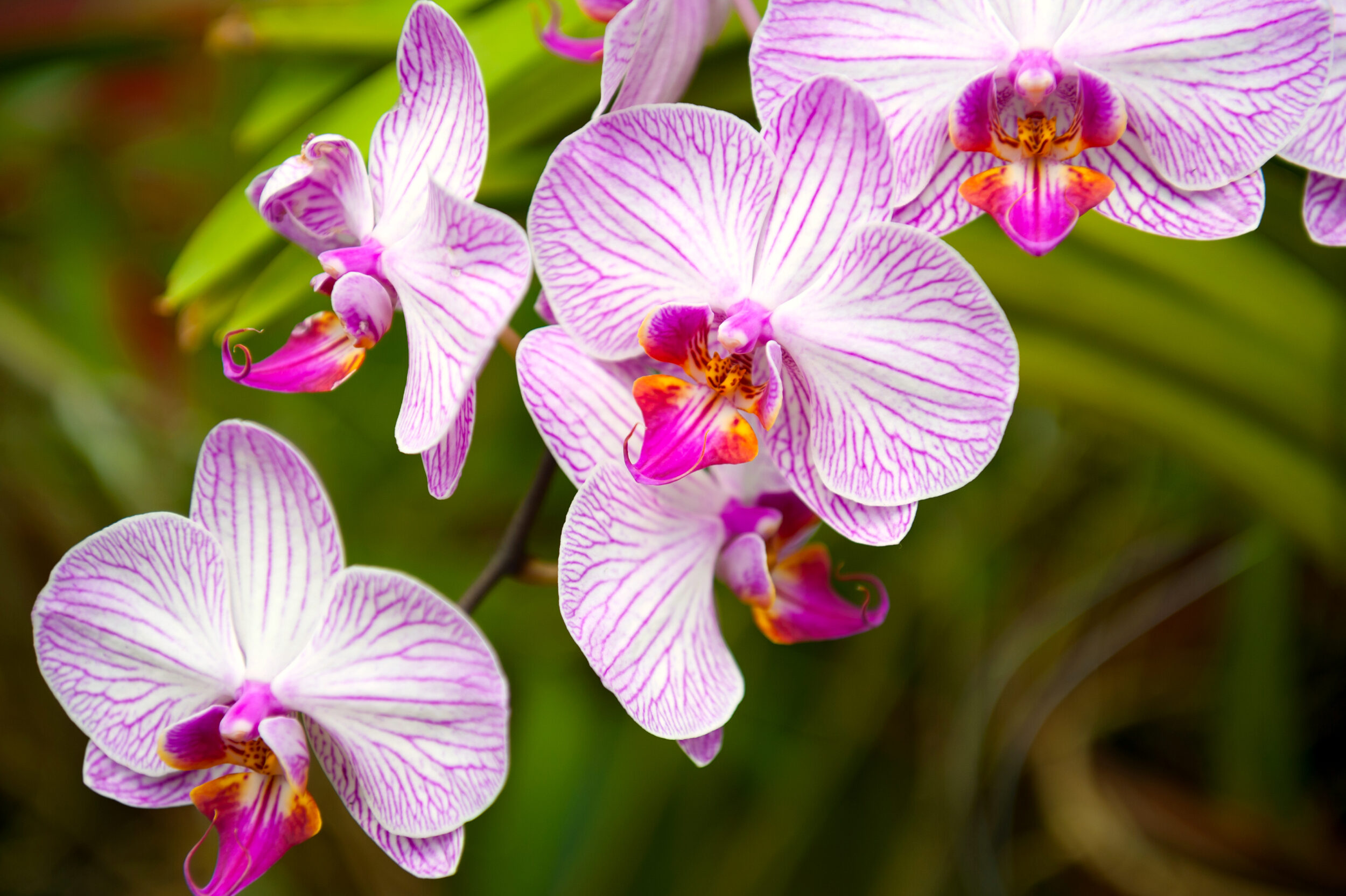
Sri Lanka is a global biodiversity hotspot and one of Asia’s richest nations in species concentration per unit area. It boasts high endemism, with over 90% of its amphibians and 50% of freshwater fish found nowhere else. Key wildlife includes the Sri Lankan elephant, leopard, sloth bear, and blue whales, with major habitats protected in national parks.
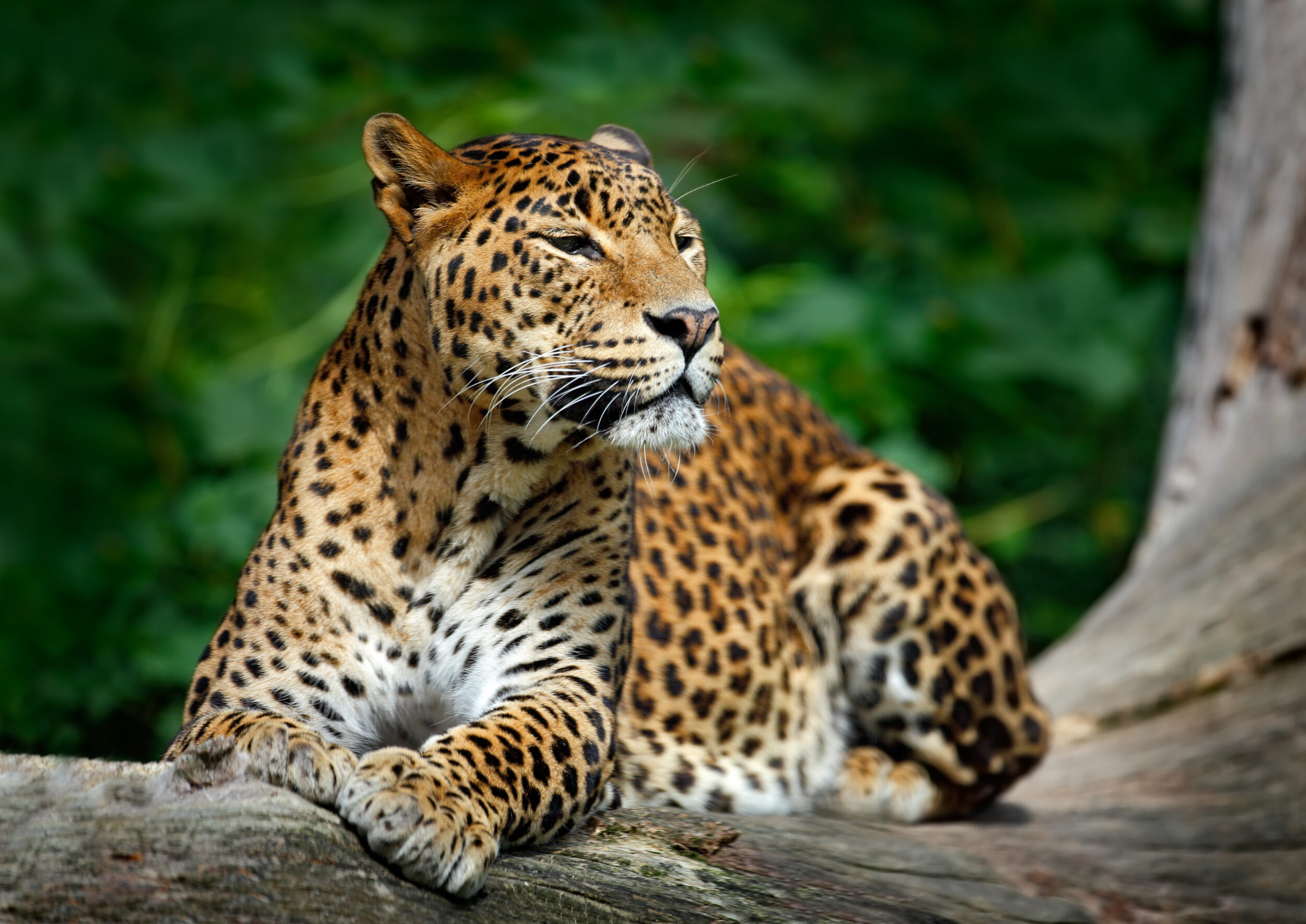
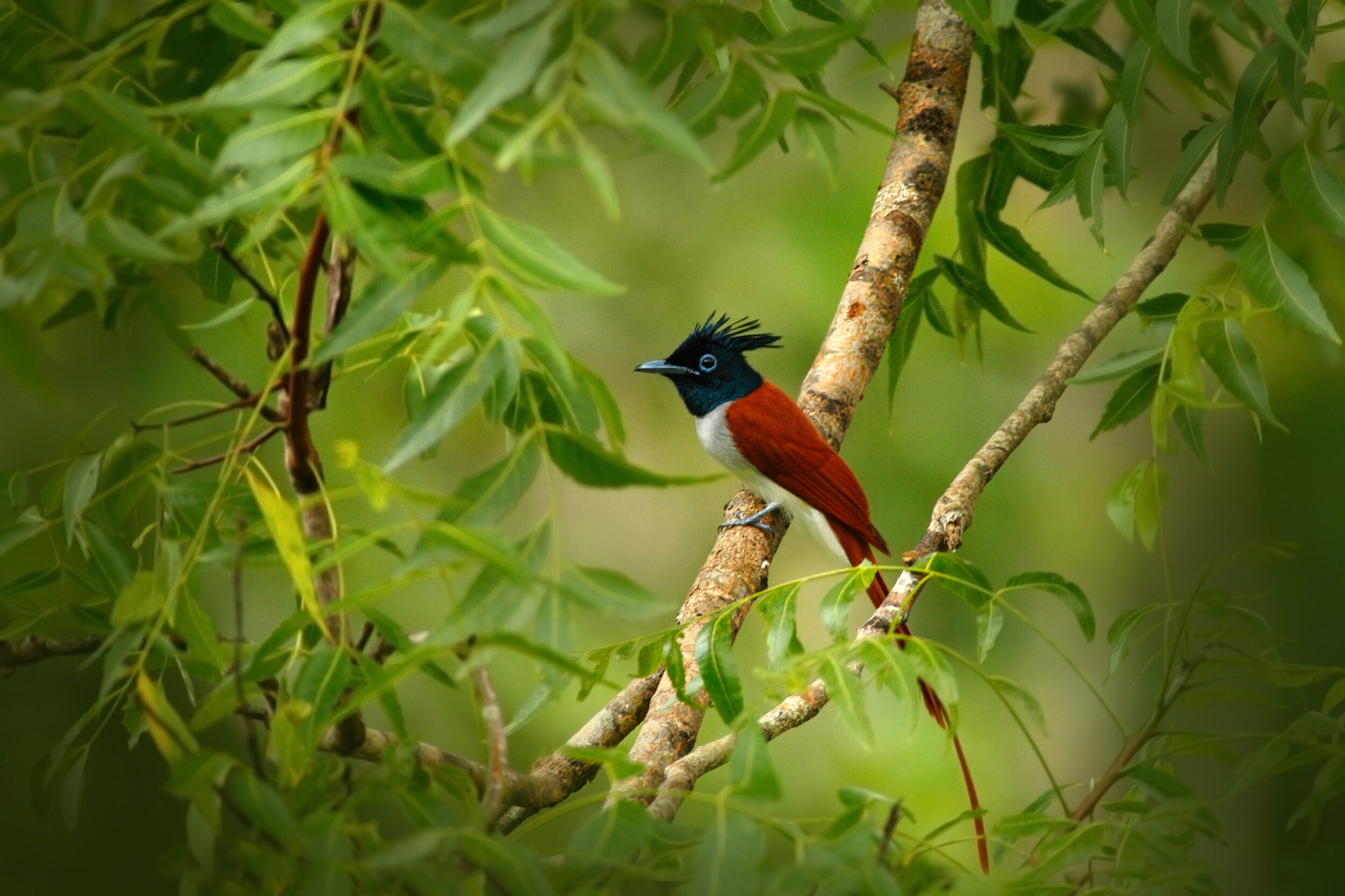
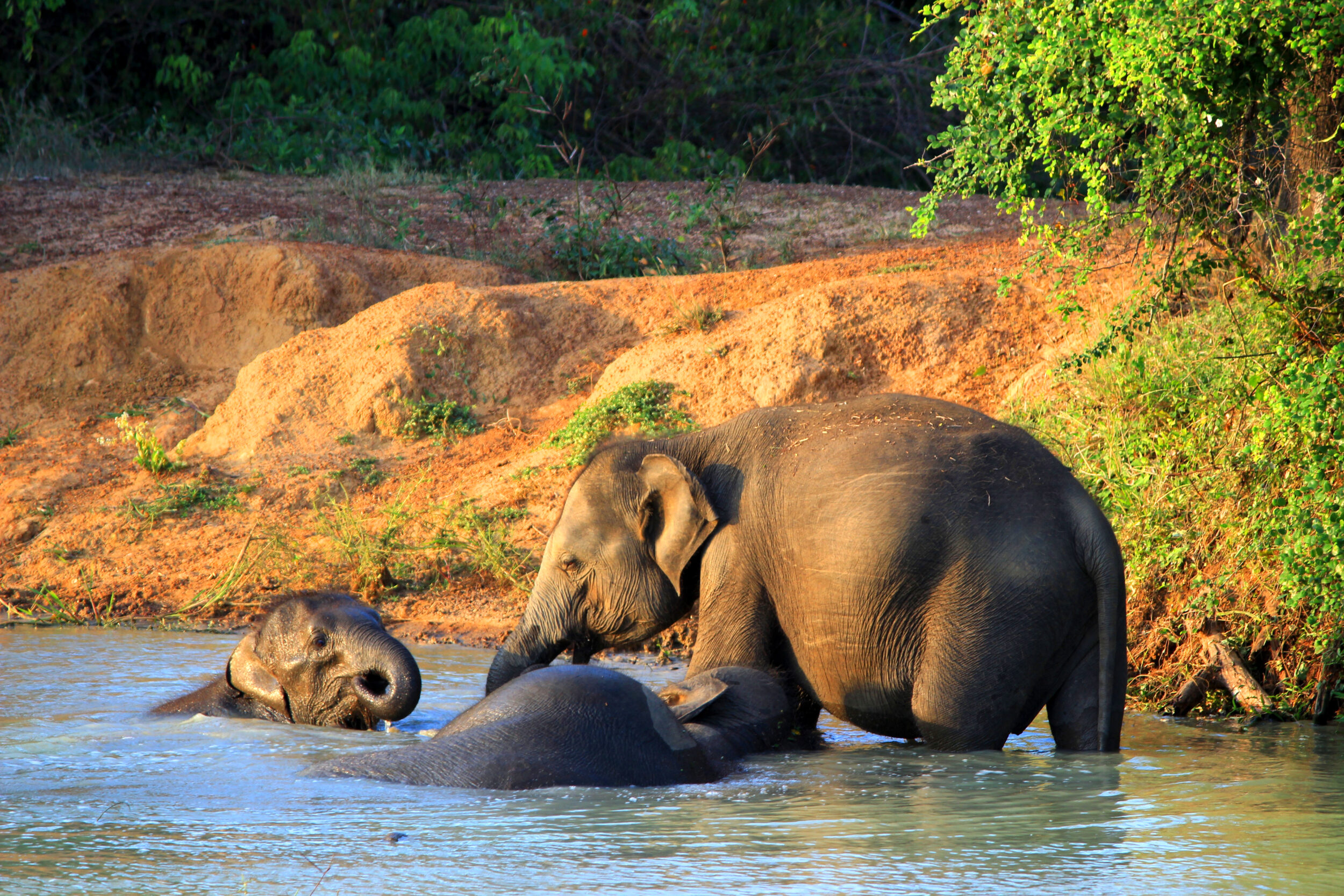
The diversity and monumentality of Sri Lanka stir the imagination. It is one of those places that still has the ability to inspire wonder. Travel with Professor Bernard Hoffert, former World President of the International Association of Art-UNESCO (1992-95), who leads this cultural tour of Sri Lanka combining six UNESCO World Heritage sites, spectacular architecture, tea country plantations, and the island’s best wildlife sanctuaries.
 Sri Lanka: Elephants, Temples, Spices & Forts 2027